CASTLES: From Military Fortress to Architecture of Rule
1.From Warfare to Governance: Edo Ushers in a New Era for the Castle
In 1615, the Japanese government implemented the “One Castle Per Province” decree, which allowed each region (known as a han) to have only one castle. As a result, many castles were demolished, reducing the total number from about 3,000 to about 170. This important change shifted the purpose of castles: they transformed from military fortresses into administrative centers, symbols of local authority, and key locations for maintaining public order.
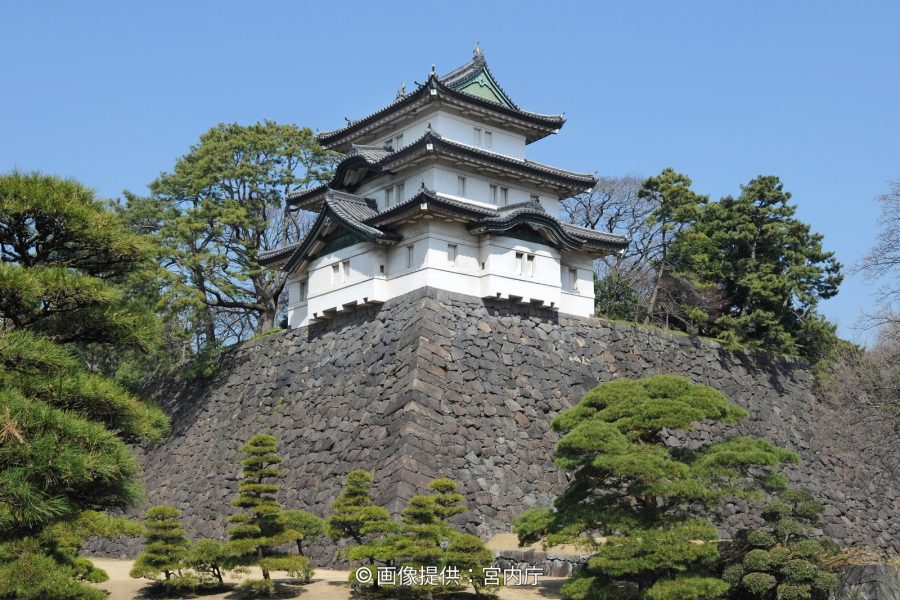
Imperial Palace (Edo Castle Ruins) Fushimi Yagura Turret
2.The Sankin-Kotai System Expanded the Castle’s Role from a Point to a Network
This extensive, heavy traffic spurred major highway development and fostered the flourishing of post towns, logistics, commerce, and finance. Consequently, the “castle as a fortress” evolved from a mere point on the map to an expansive region, forming the castle town—a continuous urban network incorporating storehouses, markets, artisan districts, temples, and shrines.
As people, goods, capital, and culture converged, the castle emerged as a crucial transportation and economic hub and the center of regional development. Castle towns developed around castles, leading to the appealing layouts and structures we see in landscapes throughout Japan today.
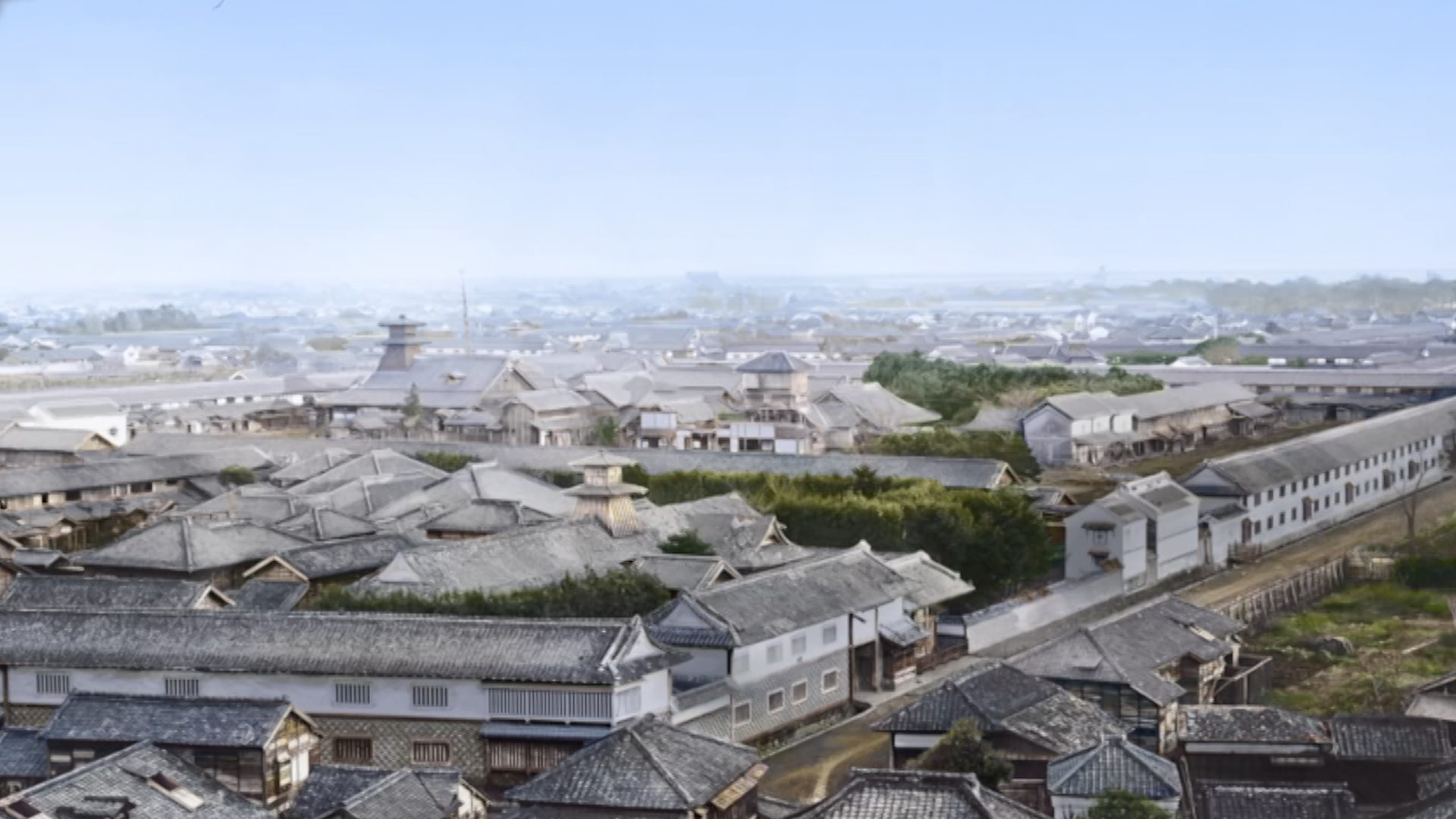
Edo Castle Town Image ⒸNHK
3.Castles Symbolizing the Changing Times: Nagoya, Himeji, Kumamoto
Here are three examples of castles from the Edo period that not only served practical purposes but also strongly conveyed the prestige and aesthetic ideals of their domains.
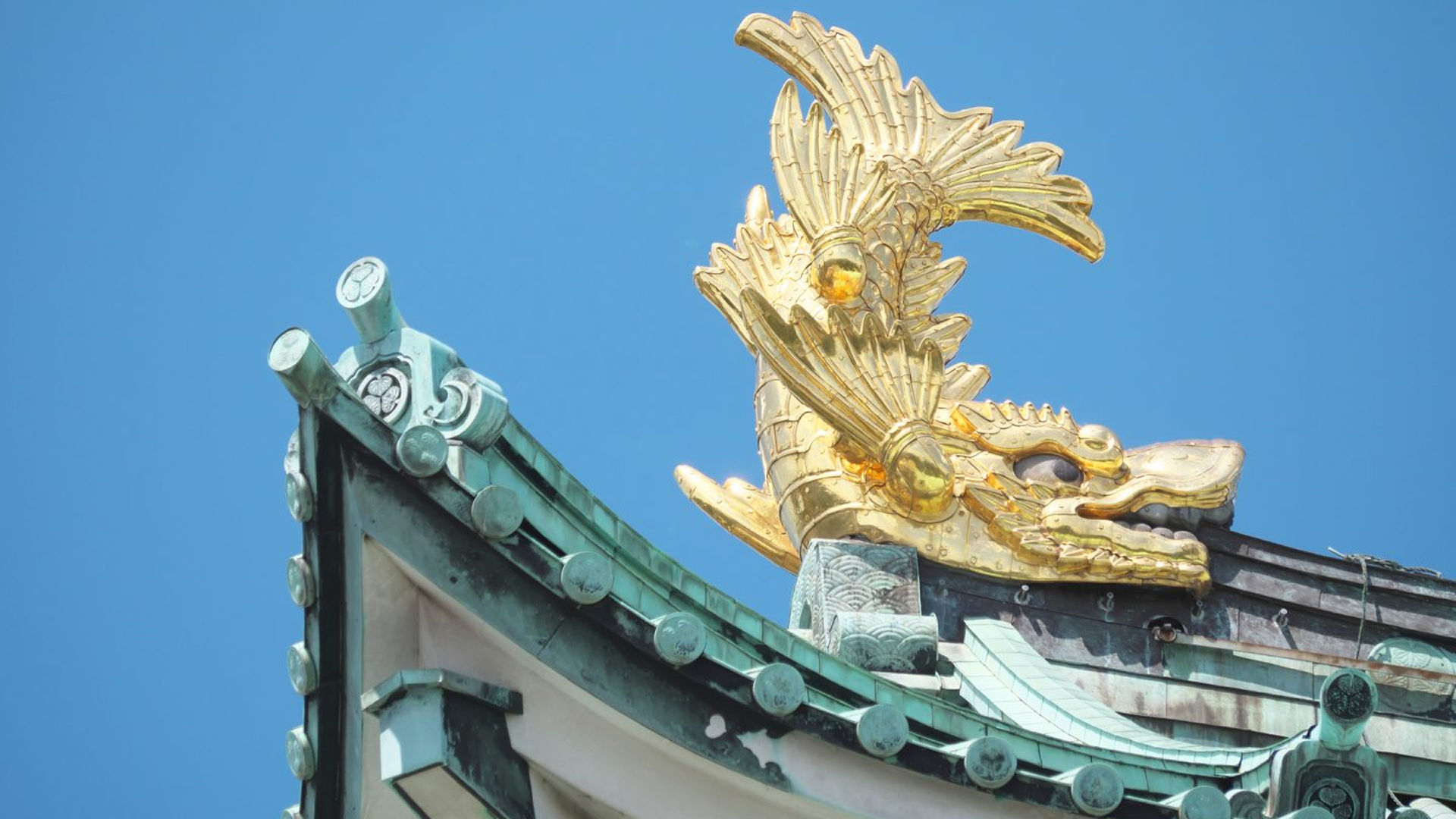
- Nagoya Castle’s Golden Shachihoko: Constructed by Tokugawa Ieyasu as a symbol of his unified rule. The shachihoko (a mythical sea creature) originally served as a guardian against fire. By adorning the main keep with a covering of gold, Ieyasu made the Tokugawa clan’s immense power and wealth undeniable to all observers.
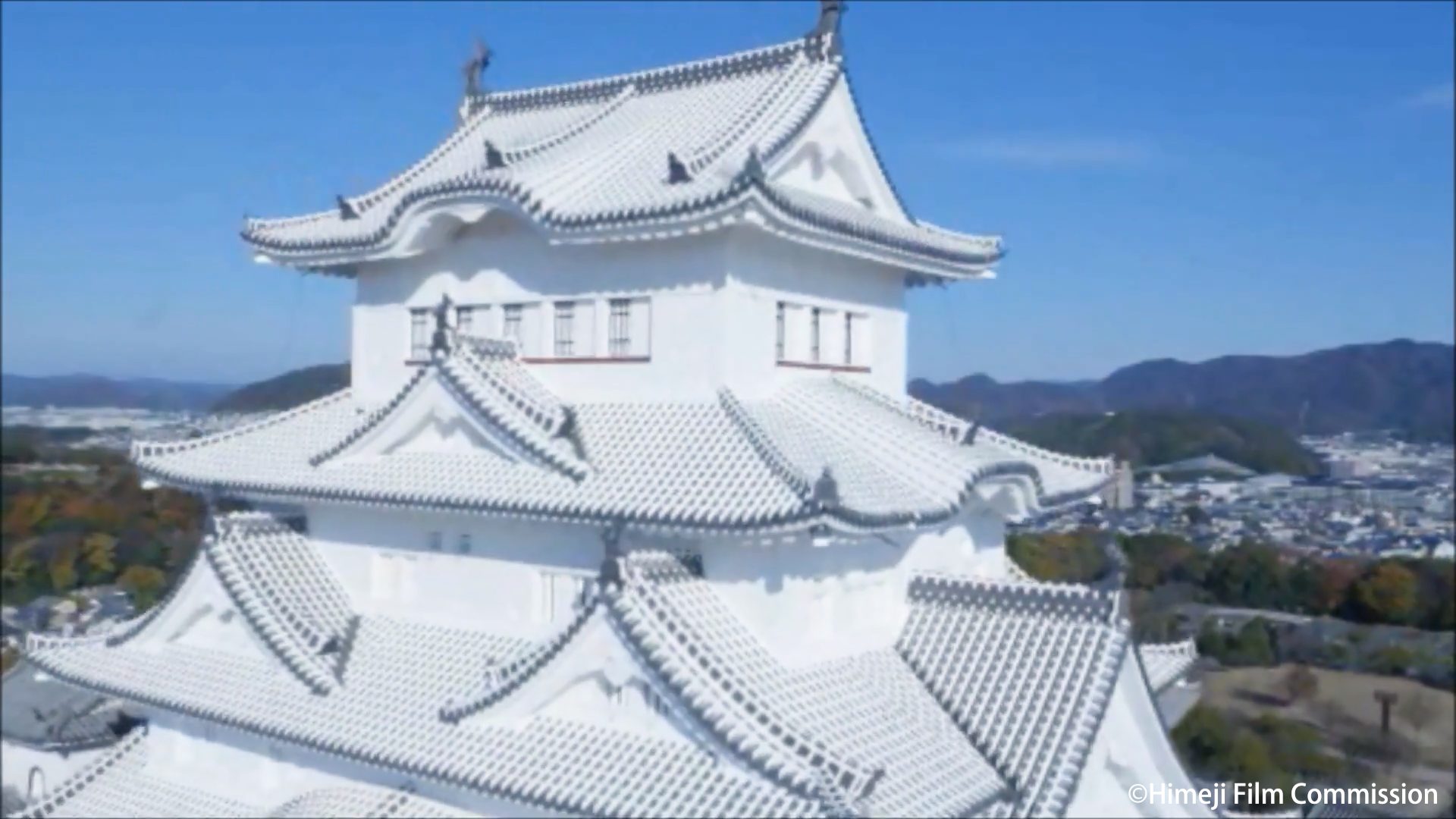
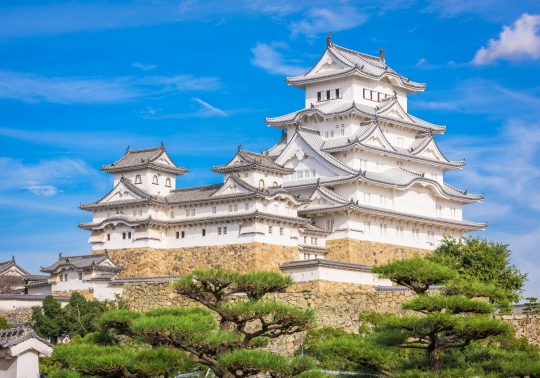
- The Beauty of the White Heron (Himeji Castle): The castle shines in white due to the application of white plaster, which is fire-resistant, durable, and effective in regulating humidity—making it ideal for Japan’s climate—was thickly applied even over the tile joints. This carefully designed white silhouette, visible from a distance, embodies both purity and authority. It represents the essence of the Edo aesthetic, conveying a sense of order without the need for conflict.
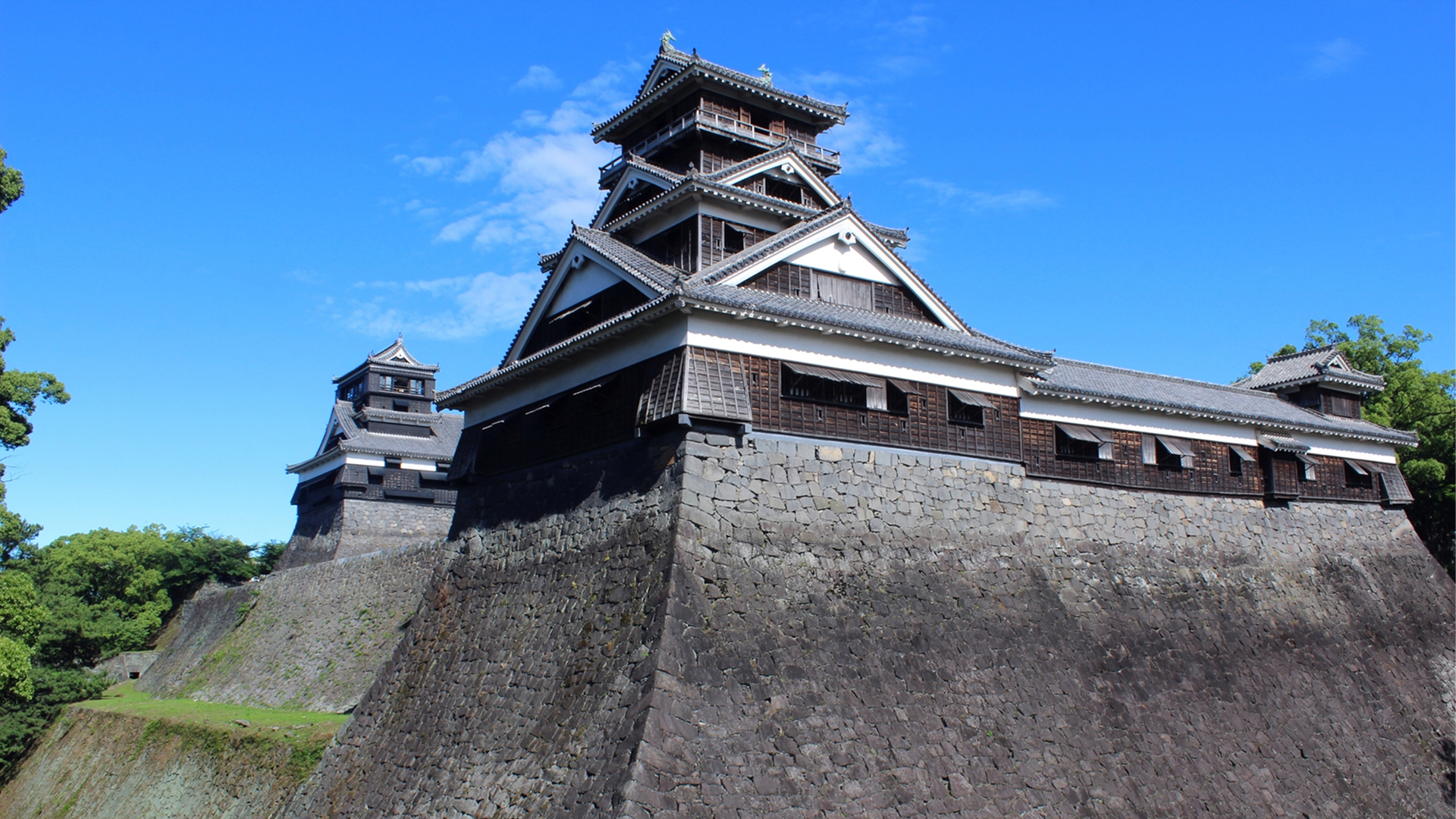
- The Invader-Repelling Stone Wall of Kumamoto Castle: This stone wall is designed with a fan-shaped curve that has a gentle slope at the bottom and a sharp curve at the top, making it nearly impossible to climb. In an era when fighting was rare, this strong defensive structure served as a silent yet powerful symbol, proudly conveying an unyielding determination to rule.
-

- Nagoya Castle—Golden Shachihoko (Aichi Prefecture)
-
- Himeji Castle—White Main Keep (Hyogo Prefecture)
-
- Kumamoto Castle—Invader-Repelling Stone Wall(Kumamoto Prefecture)
4.Explore the Castles of the Edo Period Throughout Japan: A Journey Through 5 National Treasures
During the Edo period, there were around 170 castles, but many were lost due to changing times and damage from wars. Today, only 12 castles in Japan still have main keeps that retain their original wooden construction. Among these, five are designated as National Treasure Castles, representing the highest achievement in castle design. These structures exemplify the refinement of both function and aesthetics during the peaceful Edo period, having inherited, relocated, or been newly built from designs of earlier eras.
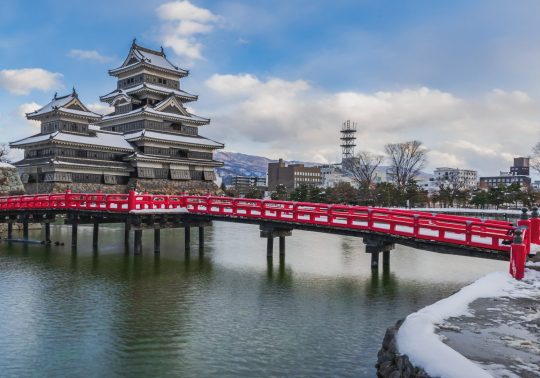
- Matsumoto Castle (Nagano Prefecture) — The castle is notable for its imposing black plaster. Its main keep is from the Warring States period, while its turret is from the Edo period.
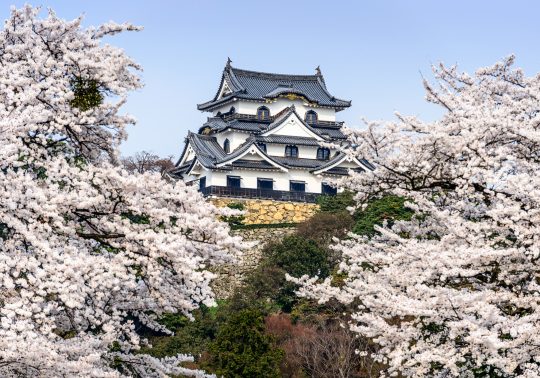
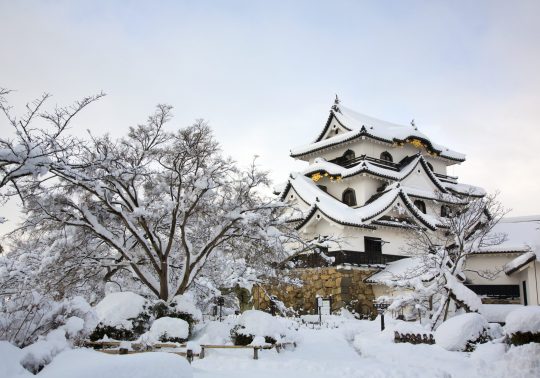
- Hikone Castle (Shiga Prefecture) — Built during the early Edo period, the castle’s main keep is renowned for its artistic beauty, largely due to its intricate roof decorations and elaborate gables.
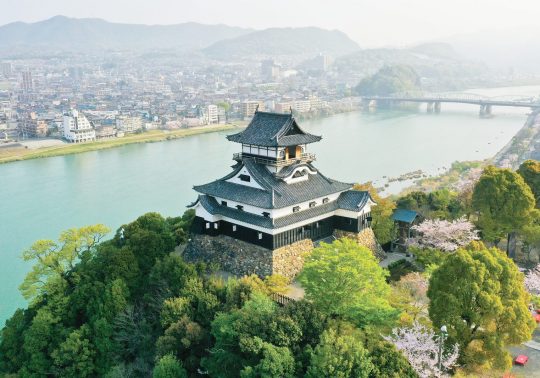
- Inuyama Castle (Aichi Prefecture) — One of the oldest surviving main keeps. It stands on a hill overlooking the Kiso River.
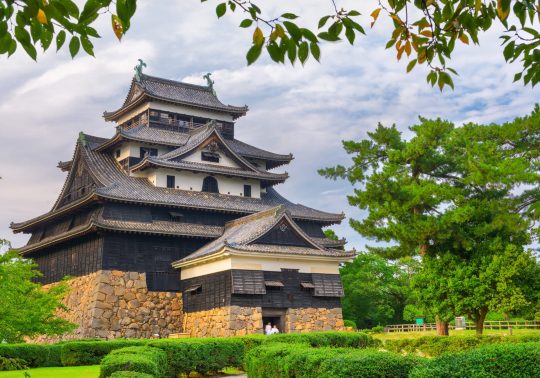
- Matsue Castle (Shimane Prefecture) — Overlooking Lake Shinji, its design masterfully blends a practical, battle-ready structure with a stately, imposing dignity.
- Himeji Castle (Hyogo Prefecture) — Features magnificent white turrets. A significant renovation transformed the structure into what can be described as a “defense for show.” This design effectively merges ceremonial functions and administrative activities with a grand aesthetic presentation that underscores the domain’s formidable power. Himeji Castle is a UNESCO World Heritage Site (1993).
-

- Matsumoto Castle (Nagano Prefecture)
-
- Hikone Castle (Shiga Prefecture)
-
- Inuyama Castle (Aichi Prefecture)
-
- Matsue Castle (Shimane Prefecture)
-
- Himeji Castle (Hyogo Prefecture)
5.Visit Castle Ruins to Explore the Depths of Edo and Japan
The castles of the Edo period served as a stage for governance and beauty. It was precisely the end of warfare that allowed construction technology to be refined, transforming the castle into an artistic symbol of its region. The aspirations of the powerful and the history of the city are etched not only in the existing main keeps but also in the stone walls and moats of castle ruins across the country. Visiting these castles allows you to experience the traditional culture nurtured in the highways, markets, and castle towns as one continuous narrative, guiding you into the rich depth of Japan’s diverse history and culture.
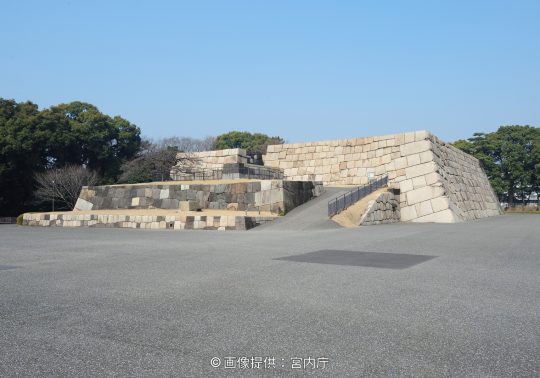
A portion of Edo Castle, now the Imperial Palace, is open to the public as a park. At the Imperial Palace East Garden, sections of the former castle’s Honmaru (main enclosure), Ninomaru (second enclosure), and Sannomaru (third enclosure) are accessible. By standing on the stone base where the main keep once stood, visitors can vividly imagine the scale of the original Edo Castle.
-
- Hikone Castle (Shiga Prefecture)
-
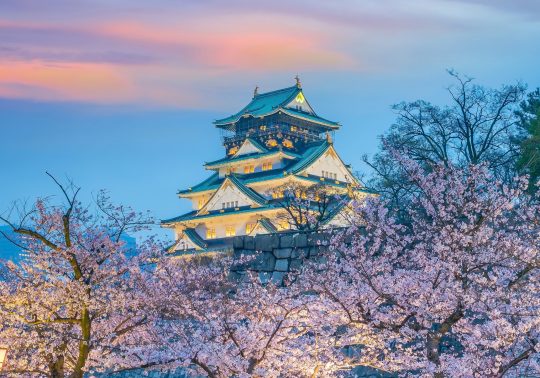
- Osaka Castle (Osaka Prefecture)
-
- Imperial Palace (Edo Castle Ruins) Base of Edo Castle Keep
Travel Guide
| Category 1 | Category 2 | Spot | Prefecture |
|---|---|---|---|
| Imperial Palace(Former Edo Castle) | Tokyo | ||
| National Treasure | The 12 Original Keeps | Himeji Castle | Hyogo |
| National Treasure | The 12 Original Keeps | Matsumoto Castle | Nagano |
| National Treasure | The 12 Original Keeps | Hikone Castle | Shiga |
| National Treasure | The 12 Original Keeps | Inuyama Castle | Aichi |
| National Treasure | The 12 Original Keeps | Matsue Castle | Shimane |
| The 12 Original Keeps | Hirosaki Castle | Aomori | |
| The 12 Original Keeps | Bitchu Matsuyama Castle | Okayama | |
| The 12 Original Keeps | Marugame Castle | Kagawa | |
| The 12 Original Keeps | Matsuyama Castle | Ehime | |
| The 12 Original Keeps | Uwajima Castle | Ehime | |
| The 12 Original Keeps | Kochi Castle | Kochi | |
| The 12 Original Keeps | Maruoka Castle | Fukui | |
| Osaka Castle | Osaka | ||
| Nagoya Castle | Aichi | ||
| Kumamoto Castle | Kumamoto |