NINJA: 4 Unexpected Facts — The Professional Reality
1. The Image of Ninjas, and Beyond the Reaches of History
When you hear the word “ninja,” what do you picture? Maybe you have an image that comes from movies or anime of a figure with mysterious abilities, running through the darkness.
The history of ninjas stretches far back, and during an era of continuous warfare in Japan (around the 15th-16th centuries), they were highly valued by feudal lords as a group with special skills, playing an active role in sabotage and surprise attacks. However, with the arrival of the peaceful Edo period (17th–19th century), their role shifted from battlefield combat to advanced intelligence and security operations.
Let’s take a look at a different side of the ninja and his portrayal on the stage, or in films and anime. Instead, we’ll look at four key points from history, and examine the reality of ninjas in the Edo period.

Image of a ninja
2. Ninja Fact #1: The True Nature of “Invisibility”
When you think of ninja attire, you might imagine black clothes. In fact, the early Edo period ninjutsu manual Shoninki teaches quite the opposite.
The ninja’s goal was to appear as ordinary people, “someone unremarkable that could be anywhere and not leave an impression.” By day, they disguised themselves as farmers, merchants, monks, or other everyday figures, blending into towns and villages. The Shoninki recommends inconspicuous colors, like “brown, persimmon, and navy blue.”
To completely assimilate into their surroundings and carry out missions without revealing their true identity—that was the very essence of the “art of disguise” at which ninjas excelled.
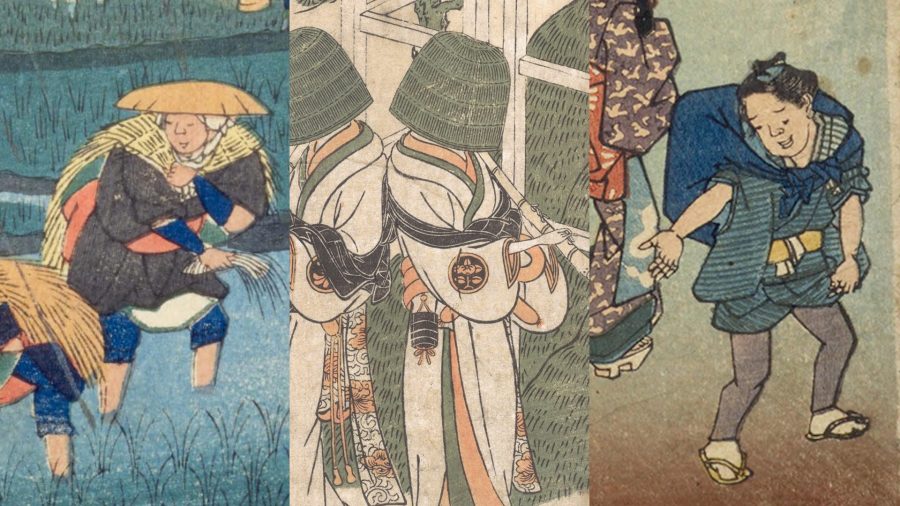
Images of farmers, monks, and merchants during the Edo period
3. Ninja Fact #2: Their Most Crucial Weapon? Information
Ninja carried a great variety of tools and weapons, but their strongest weapon was information intelligence.
The Bansenshukai, compiled in 1676, is a 22-volume collection of ninjutsu techniques from the Iga (Mie Prefecture) and Koga (Shiga Prefecture) schools. It explains that the essence of ninjutsu lies in knowing the enemy and understanding the situation. Knowledge of human psychology, geography, and even pharmacology was essential. What was the layout of a castle? Did the troops have sufficient provisions? What kind of person was the enemy leader?
Collecting and analyzing this information and accurately conveying it to their lord was crucial. Ninjas were not only masters of physical prowess but also information professionals wielding advanced knowledge and perceptive skills.
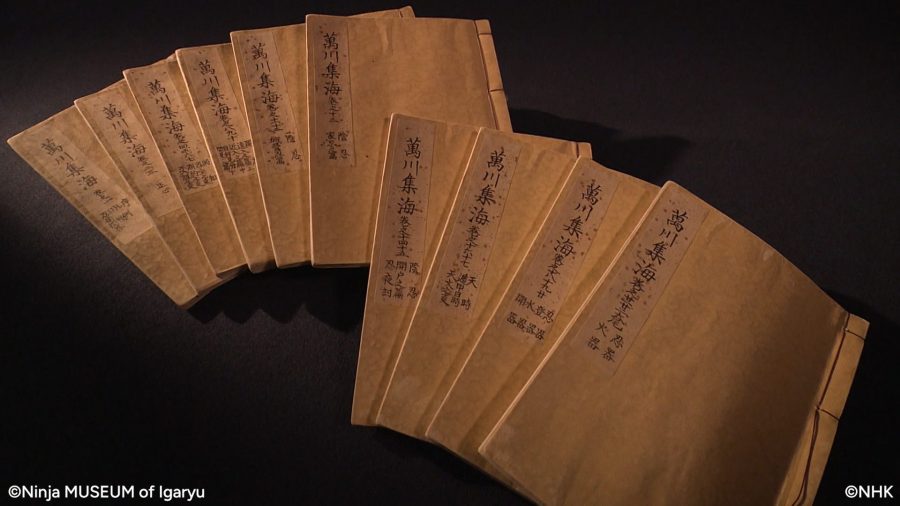
The Bansenshukai
4. Ninja Fact #3: The Ultimate Mission was to Stay Alive
The top priority of a ninja mission was not defeating the enemy—it was survival.
No matter how valuable the information obtained, the mission wasn’t complete unless it was delivered safely to their lord. For that reason, ninjutsu manuals contain extensive instructions about escaping dangerous situations and on mental techniques for staying calm and focused (known as seishin).
The strong will to survive was the core of the ninja’s spirit, making sure he never gave up in difficult situations, used every means to survive, and always delivered the information.
-

- Examples of ninja tools (from the Bansenshukai)
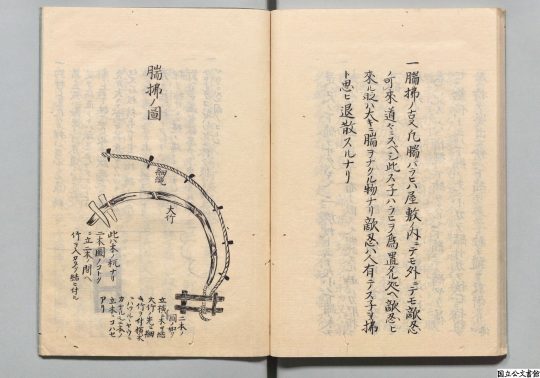
-
- Examples of ninja tools (from the Bansenshukai)
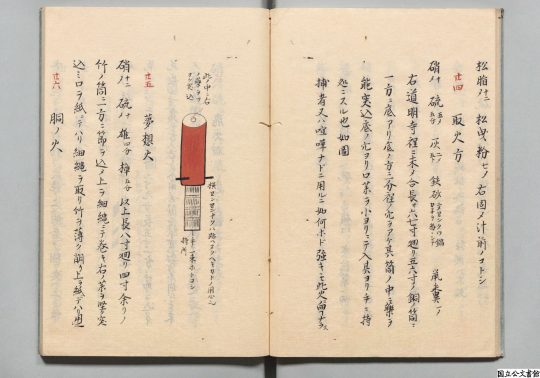
5. Ninja Fact #4: Edo Era Ninja Were a Government Security Force
When the era of warfare came to an end, and rule stabilized under the Tokugawa shogunate, the role of ninjas shifted, too.
Ninja from Iga and Koga were recognized for their abilities and some were hired directly by the shogunate. They became organized and took on major responsibilities such as guarding the gates of Edo Castle, escorting the shogun outside the castle, and conducting surveillance inside the grounds. At times, they were secretly dispatched to other regions to gather intelligence for the government.
As members of an organization, they entered the castle, fulfilled their duties, and received stipends from the shogunate. No longer shadowy figures, they transitioned to become members of a public security and intelligence organization safeguarding social order, and played a key role in maintaining security in Edo.
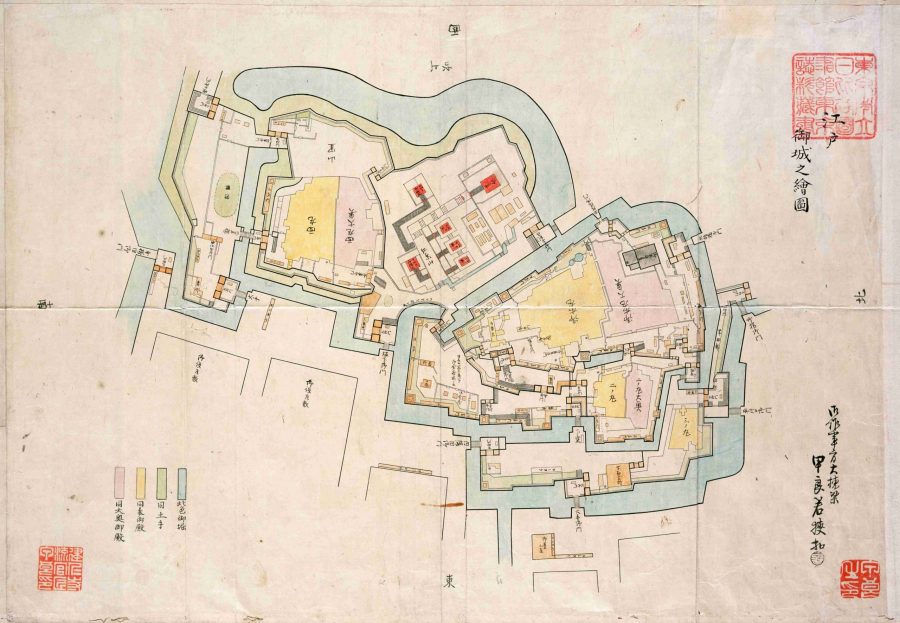
A map of Edo Castle
6. A Journey to Discover Your Own Ninja
Both as spies in the shadows and as peacekeeping security forces, ninjas have left an indelible mark on Japanese history, even as their role changed over time.
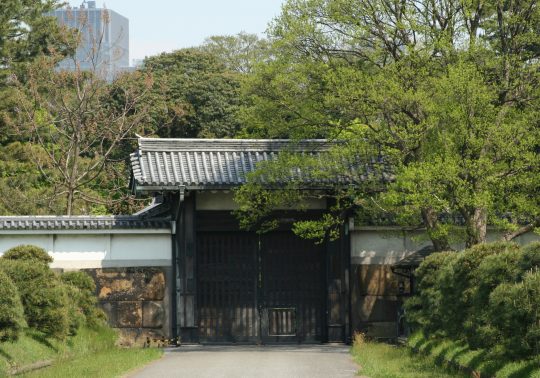
Traces of the ninja remain throughout Japan even today. For example, it’s said that Hanzomon Gate at the Imperial Palace in Tokyo takes its name from Hattori Hanzo’s family (the first head of the Hanzo family was a leader of Iga ninja) and their subordinates who guarded that gate (though other theories exist).
What’s more, in addition to Iga and Koga, there are ninja heritage sites offering ninja related activities across Japan, in places like Odawara (Kanagawa Prefecture), home of the Fuma clan, and Togakushi (Nagano Prefecture).
You can visit these sites, walk the land yourself, and discover the truth of the ninja for yourself. Come visit the locations where the Edo era connects with the present.
-
- Hanzomon Gate (Tokyo)
-
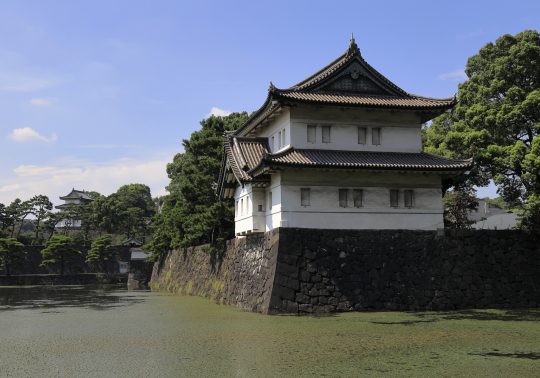
- Imperial Palace (Edo Castle Ruins) (Tokyo)
Travel Guide
| Spot |
Prefecture
|
|---|---|
| Hanzomon Gate | Tokyo |
| Ninja Museum of Igaryu | Mie |