Visit Northern Kyushu, Edo-era Japan’s Gateway to the World


During the Edo period, each of Shikoku’s four prefectural capitals flourished as castle towns under powerful feudal lords, developing distinctive local cultures shaped by geography and history.
Stay one night in each of these cities—Takamatsu, Tokushima, Kochi, and Matsuyama—to experience the rich legacy of their Edo period culture through food, crafts, and traditions that endure to this day.
History
Explore the legacy of the Edo period domains through castle towns like Takamatsu, Tokushima, Kochi, Matsuyama, and Uwajima, and see three of Japan’s twelve surviving castle keeps from the Edo period.

Culture
Experience the refined aesthetics of a daimyo garden at Ritsurin Garden, work hands on with Tokushima's traditional indigo dyes, and unwind in the historic healing waters that welcomed castle town visitors at Dogo Onsen.

Food
Savor seafood and culinary traditions from each of Shikoku’s four prefectures, nestled between the Pacific Ocean and the Seto Inland Sea.

Edo Period Pilgrimage Culture & Local Cuisine
Begin your journey in Kagawa, where you'll visit Edo period pilgrimage sites and sample the prefecture's famous noodle dish.
9:30 a.m.
Approx. 3 hours 20 minutes
12 p.m.
Approx. 1 hour 15 minutes
1:15 p.m. - 5 p.m.
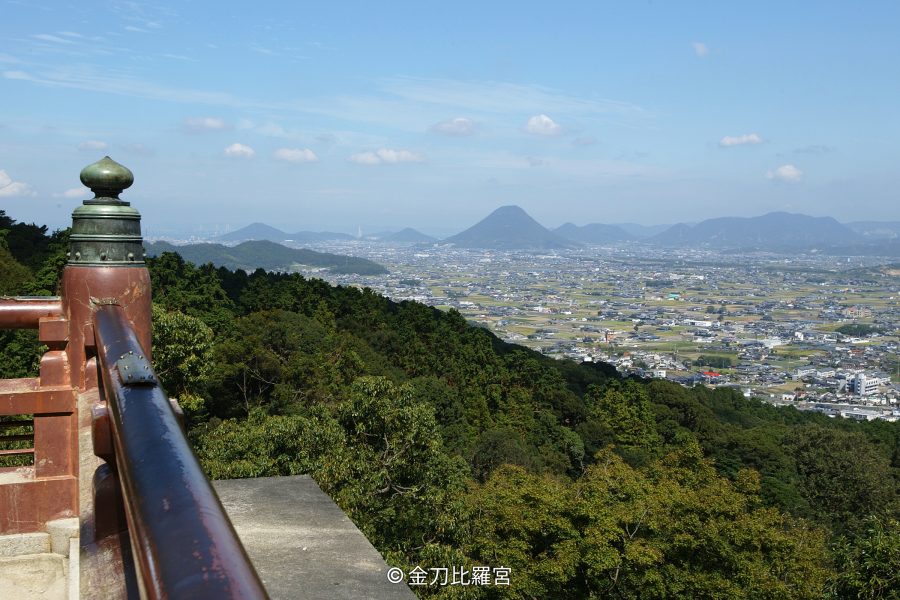
Kotohira-gu Shrine has been a major pilgrimage destination since the Edo period. The approach of over 700 stone steps (over 1,300 to reach the inner shrine!) is long, but the views at the top are worth the climb. The bustling road to the shrine is full of sights to see, including Kanamaruza, the Konpira Grand Theater, which is now Japan’s oldest surviving kabuki playhouse.
 Local Highlights
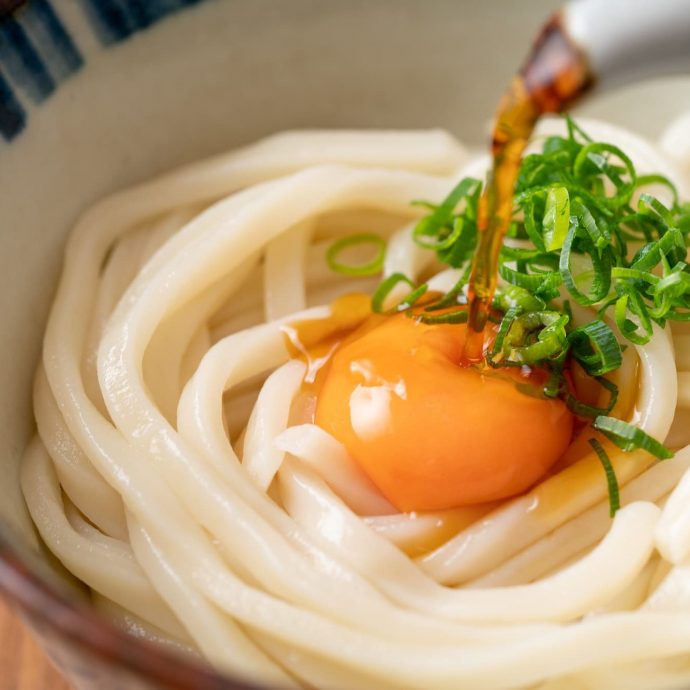
Try authentic Sanuki udon, a local favorite since the Edo era, or try your hand at making your own.
Approx. 1 hour 30 minutes
6:30 p.m.
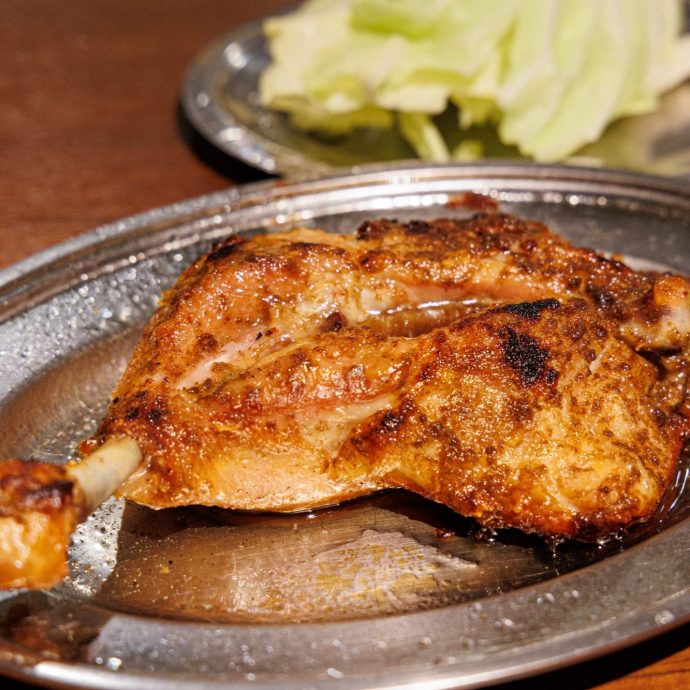
Local HighlightsSpend the evening in Takamatsu, once a castle town of Takamatsu Domain. Today, the city is still known most for its “Sanuki Sanpaku” (its three "white products")—salt, sugar, and cotton—which supported its prosperity. Why not try Kagawa Prefecture's local specialty, hone-tsuki dori (grilled boned chicken)?
Grand Gardens & the Indigo of Awa
From Takamatsu’s serene gardens to Tokushima’s indigo-dyed traditions, on day two artistry and creativity of Edo Shikoku comes to life.
9 a.m. - 12:45 p.m.
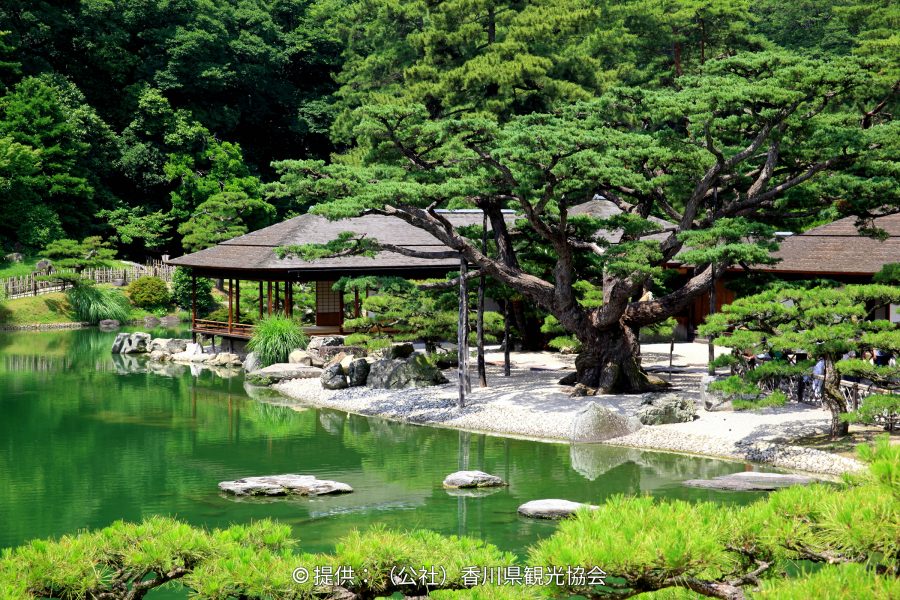
Ritsurin Garden, built by successive lords of the Takamatsu Domain, is one of Japan’s most magnificent daimyo gardens. Today, you can enjoy a boat ride on its pond or savor tea in one of its historic buildings. Nearby, Tamamo Park stands on the former site of Takamatsu Castle, once a rare seaside fortress with a seawater moat.
 Local Highlights
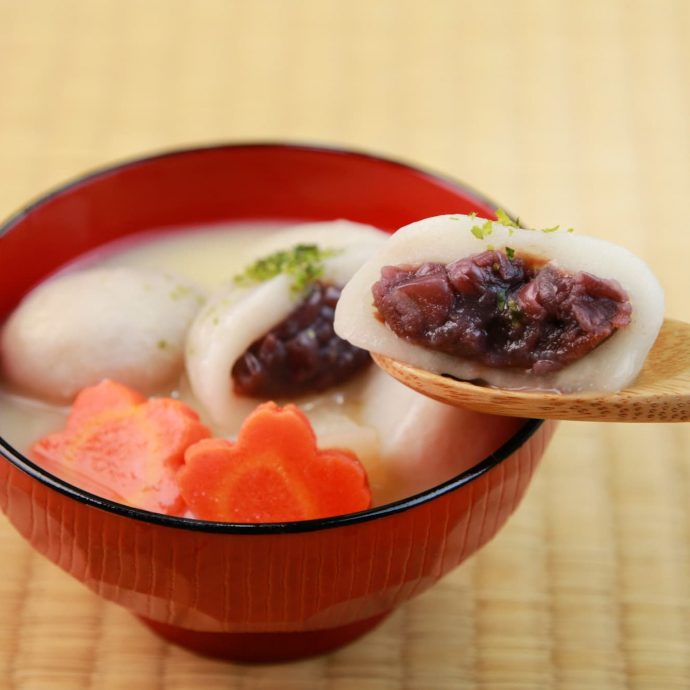
Warm up with anmochi zoni, Kagawa’s unique New Year’s soup with sweet bean mochi in savory broth. To get hands on, join a bonsai or moss-ball making workshop, in tradition with the region’s long history of horticultural artistry.
Approx. 1 hour 30 minutes
2:15 p.m. - 5 p.m.
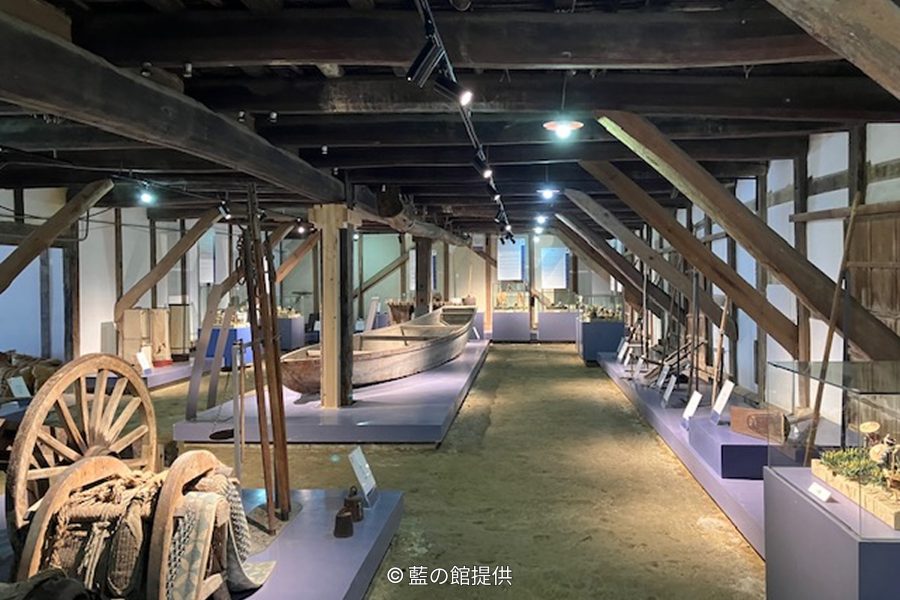
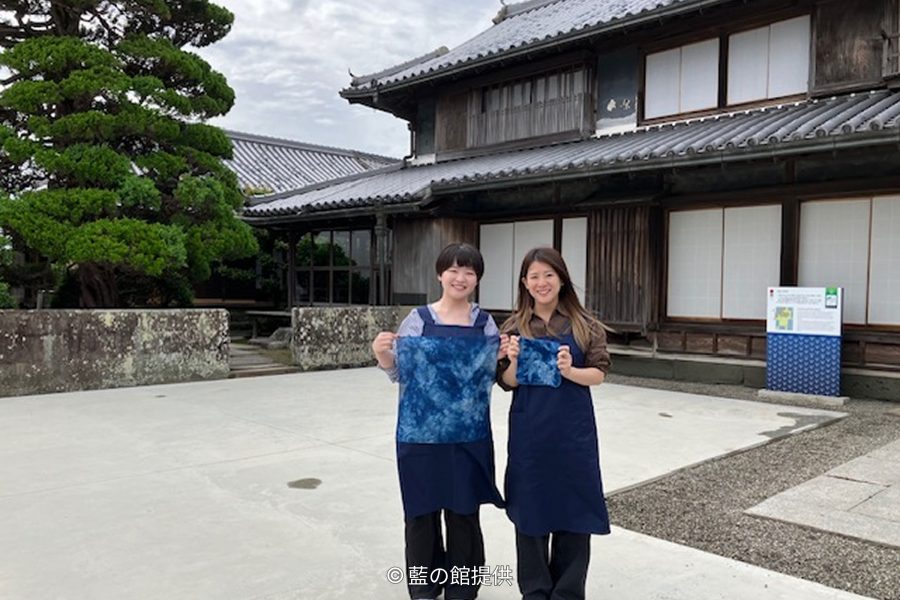
In Tokushima, traces of the Edo period Tokushima Domain can still be found across the city and its outskirts. At Ai-no-Yakata Indigo Museum in nearby Aizumi, visitors can step inside the former residence of a prosperous Edo period indigo merchant family. Hands-on dyeing workshops let visitors create their own indigo-dyed souvenir using traditional techniques. In central Tokushima, you’ll find the Tokushima Castle Ruins, as well as the Awa Odori Kaikan, which introduces one of Japan’s most famous traditional dances, a tradition that continues to this day.
 Local Highlights
Try your hand at aizome (indigo dyeing) and make your own unique souvenir.
Approx. 30 minutes
5:30 p.m.
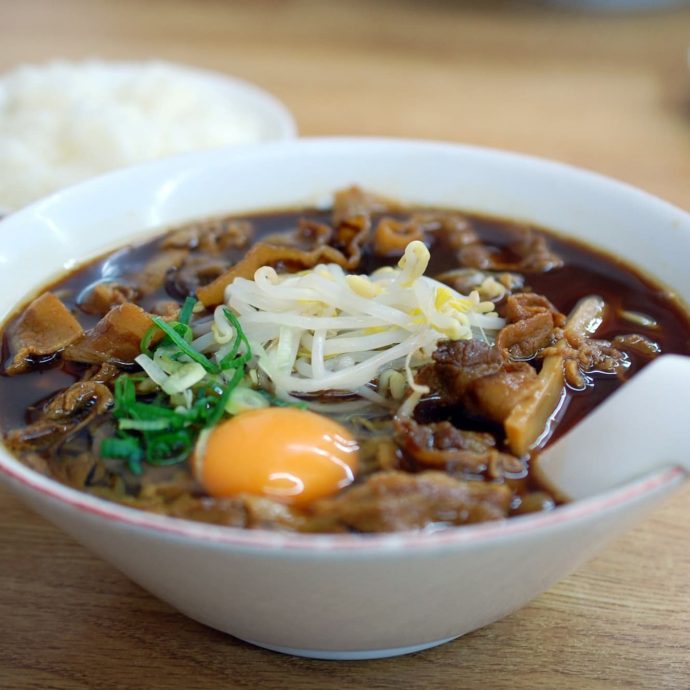
Local HighlightsSavor Tokushima’s specialties like Naruto sea bream, Tokushima ramen, and chewy rice flour-and-sugar Awa uiro sweets.
Fortress and Feast in Tosa
On day four, you'll travel to Kochi, a former castle town of the Tosa Domain, where Edo landmarks and traditions still shape the city's character. The city is also known for its vibrant food culture, and especially its freshly caught seafood.
9 a.m.
Approx. 2 hours 45 minutes
11:45 a.m. - 5:15 p.m.
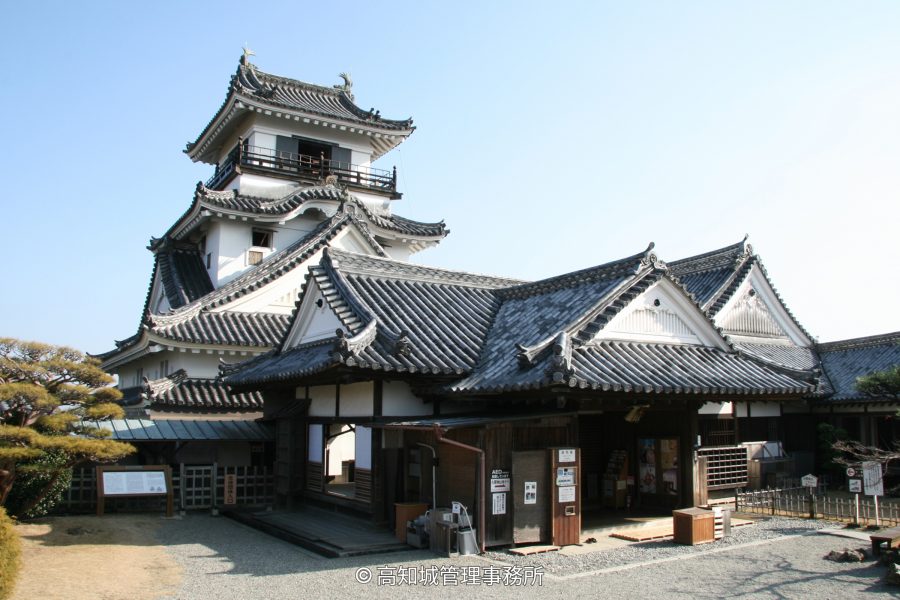
Kochi Castle is one of Japan’s twelve original Edo period castles, remarkably preserved since its completion in the early 17th century. The castle and the adjacent Kochi Castle Museum of History tell the story of the Tosa Domain and its notable figures, including a vast array of treasures from Tosa Domain rulers. Just a short distance from the city center, you’ll find Katsurahama Beach, a famous scenic spot.
Approx. 15 minutes
5:30 p.m.
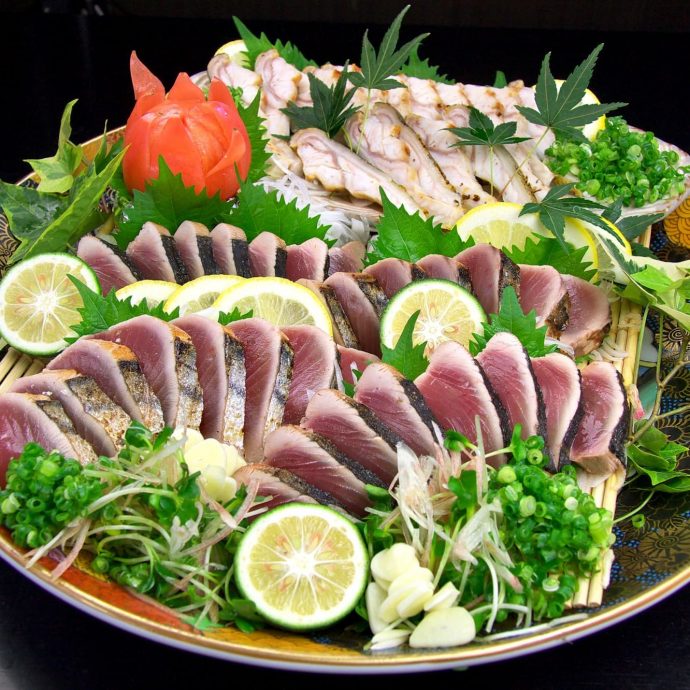
Local HighlightsKochi is known for sawachi ryori, large platters filled with sashimi, katsuo tataki (seared bonito), and other local delicacies. Don’t miss the locally brewed sake, either, or the coral crafts of this coastal region.
Castlemount & Onsen in Iyo
On day four, travel northwest to Ehime, where thermal waters have soothed travelers for centuries.
9 a.m.
Approx. 3 hours
12 p.m. - 5 p.m.
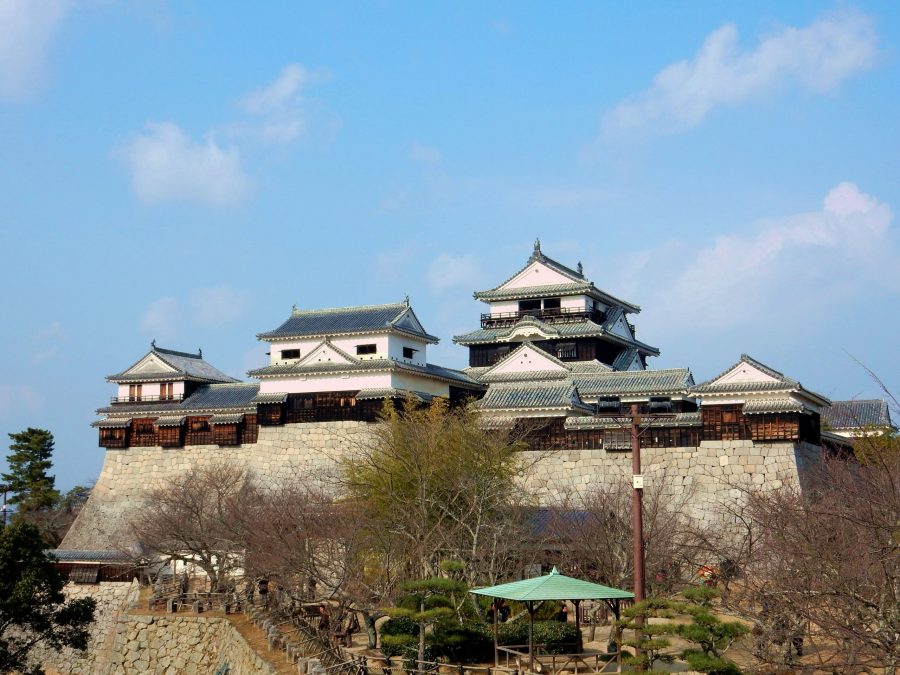
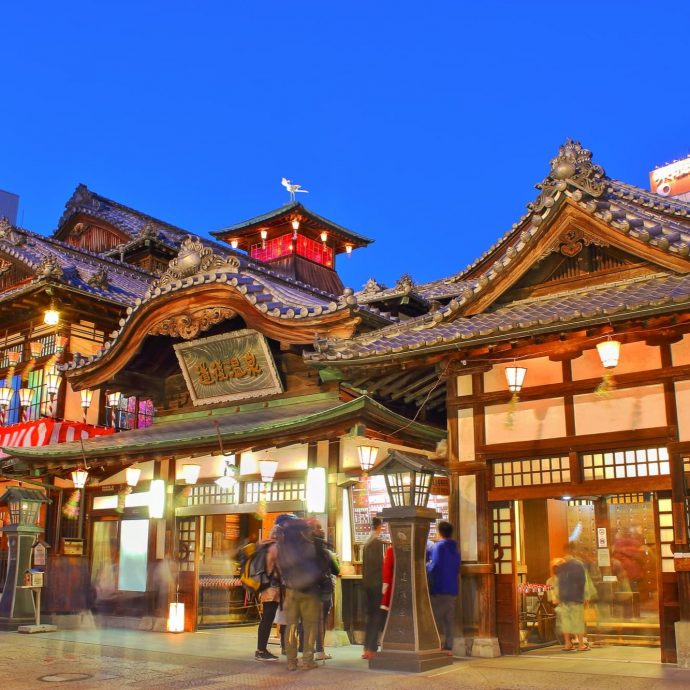
Matsuyama Castle, too, is one of Japan’s twelve castles with surviving Edo period keeps. The castle has panoramic views of the Matsuyama Plain and Seto Inland Sea. Matsuyama City is also home to Dogo Onsen, a hot spring that’s flowed here since ancient times, and welcomed many a traveler. After your bath, take a stroll through Dogo Park, which surrounds the ruins of Yuzuki Castle.
 Local Highlights
After sightseeing, unwind in a relaxing onsen bath, and even spend the night at a traditional onsen inn.
Approx. 15 minutes
5:15 p.m.
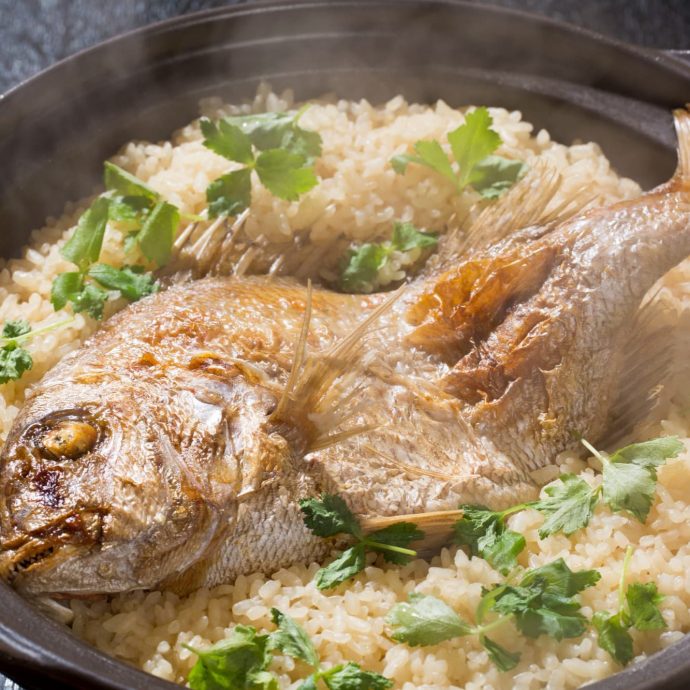
Local HighlightsEhime Prefecture is famous for its sea bream rice (tai meshi), but in the northern part of the prefecture, including Matsuyama City, grilled sea bream is served on top of cooked rice.
Legacy of Lords and the Sea in Uwajima
End your journey in Uwajima, where the deep blue sea and samurai heritage make for an atmospheric finale to your Shikoku travels.
9 a.m.
Approx. 1 hour 45 minutes
10:45 a.m. - 1:30 p.m.
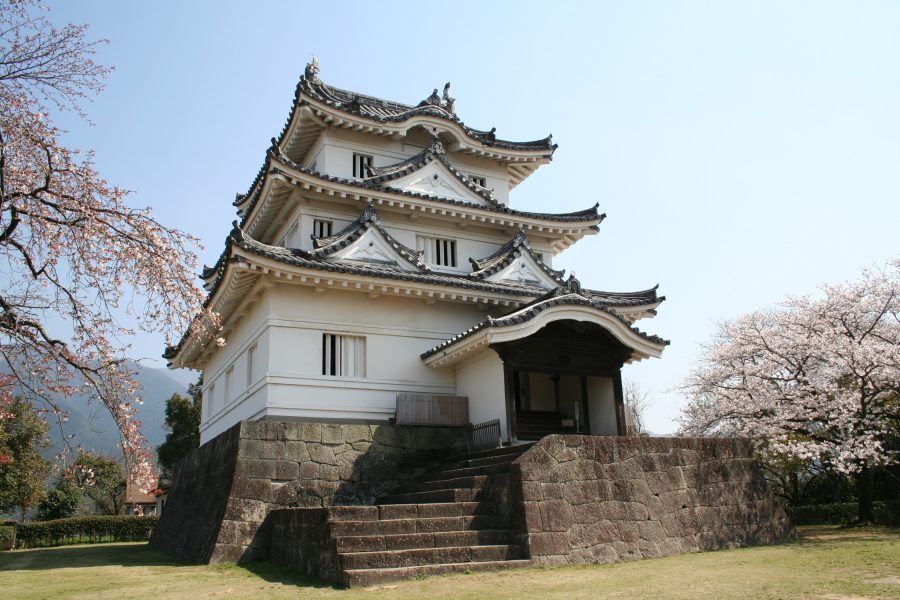
Uwajima Castle is one more of Japan’s twelve castles with surviving Edo period keeps. The castle’s three-story tower, rebuilt around 1666 during a period of relative peace, is remarkably elegant, and looks out over Uwajima Bay. Near the castle, you can explore historic spots linked to the Uwajima domain, including Tensha-en Garden, a peaceful place to end your journey through Edo Shikoku.
 Local Highlights
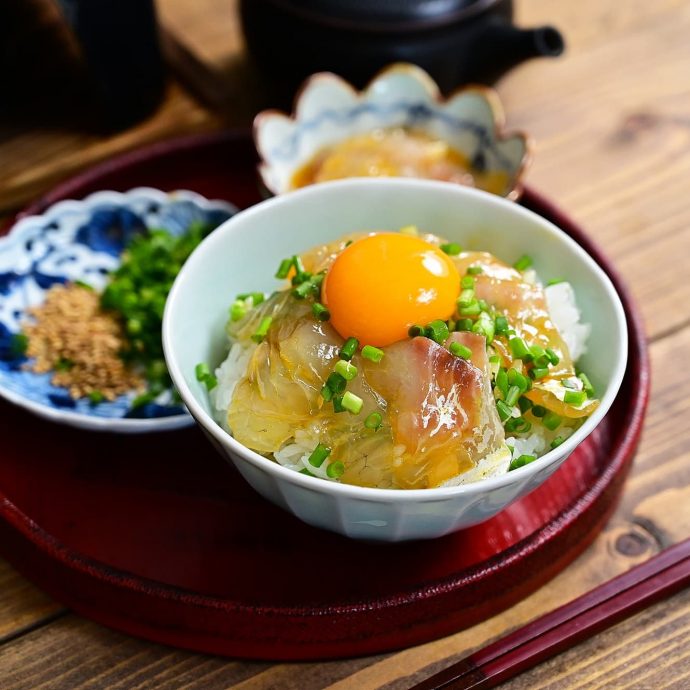
Enjoy a different version of sea bream rice (tai meshi) from last night, and experience the cultural differences between each city. In southern Ehime Prefecture, including Uwajima, sashimi is mixed with egg and soy sauce and served over warm rice. Be sure you also grab some jakoten (fried fish cakes) and locally grown citrus. For a hands-on activity, join a mandarin-picking experience to enjoy the bounty of the region firsthand.
Approx. 2 hours
3:30 p.m.
Approx. 1 hours 40 minutes
5 p.m.