Kodokan
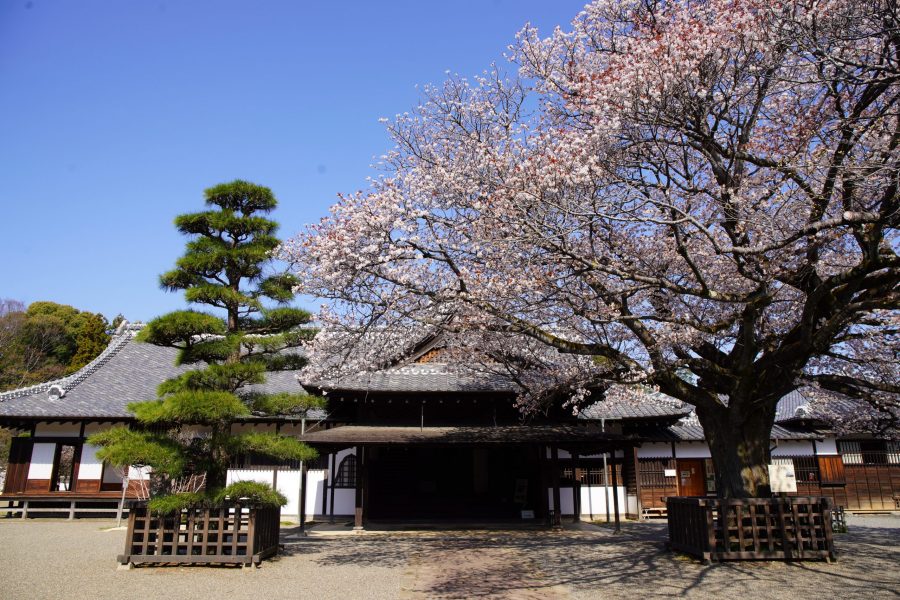
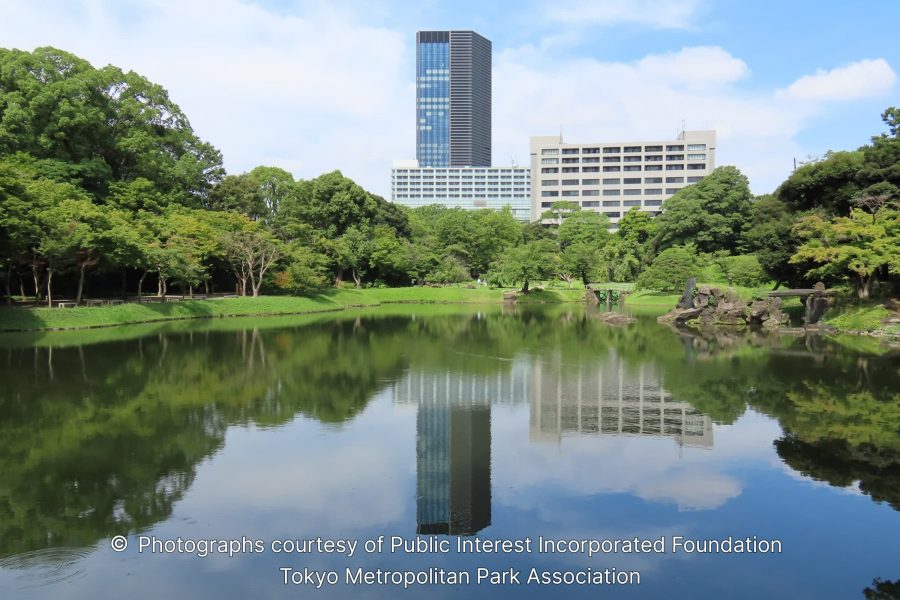
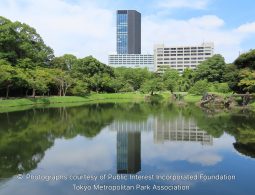
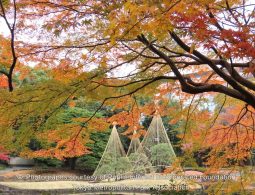
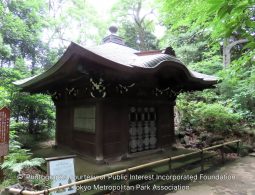
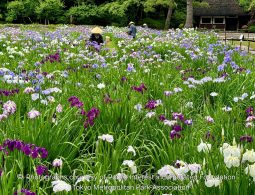
Explore a daimyo garden of the Mito-Tokugawa family with a unique fusion of famous Japanese and Chinese scenic reproductions
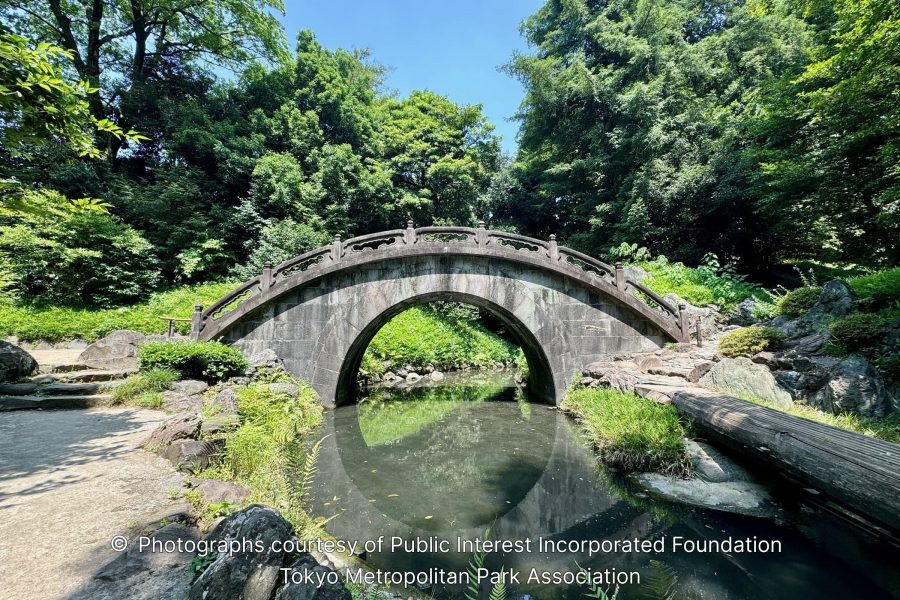
See the iconic Engetsu-kyō (“Round Moon Bridge”), whose reflection, coupled with the arc of the bridge, creates a perfect circle that resembles a full moon
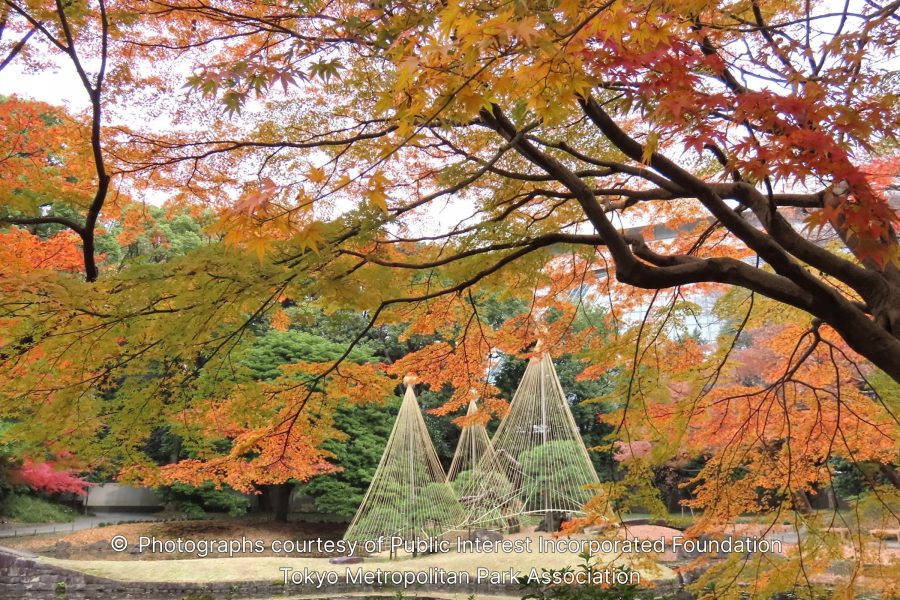
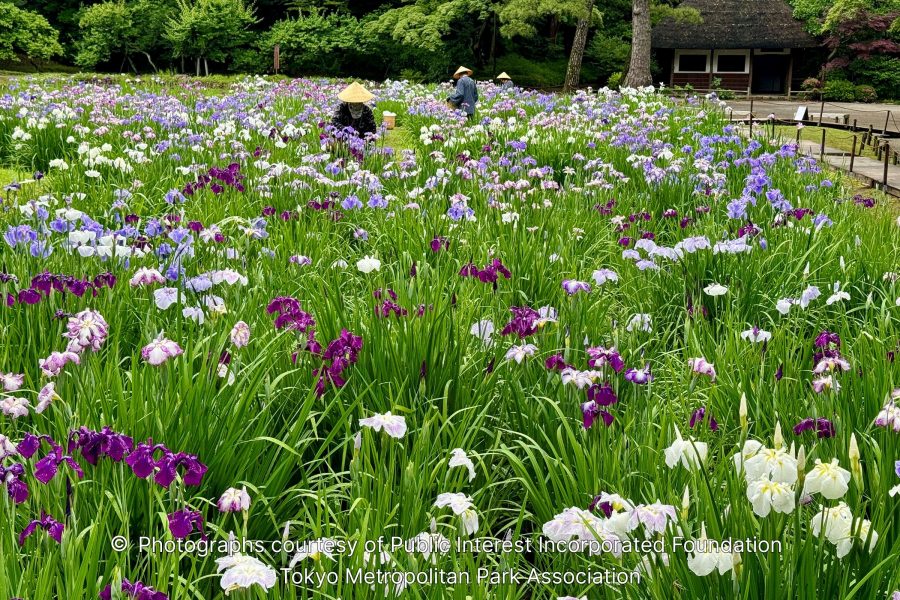
Enjoy seasonal plants and flowers, from plum blossoms to autumn colors
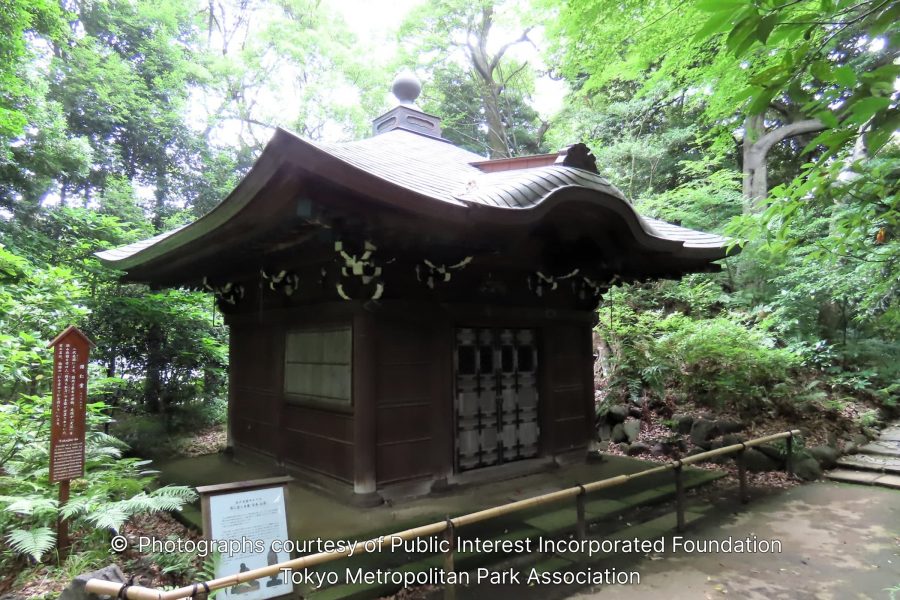
Koishikawa Korakuen Gardens, located in Bunkyo-ku, Tokyo, is the oldest surviving daimyo garden in the metropolis. Its construction began in 1629 under Tokugawa Yorifusa, the first lord of the Mito clan of the Tokugawa family. The garden was later completed and named by his successor, Tokugawa Mitsukuni, a prominent figure also known as Mito Kōmon.
As a strolling garden, its layout centers on the Dai-sensui (“Large Pond”), which mimics Lake Biwa. Key features include the Engetsu-kyō (“Round Moon Bridge”), an elegant stone arch, and the Seiko-no-tsutsumi embankment, a reproduction of a famous causeway at China’s West Lake.
Today, Koishikawa Korakuen Gardens, along with the Hama-rikyu Gardens, is one of only two Tokyo gardens designated as both a Special Historic Site and a Special Place of Scenic Beauty. Visitors can imagine strolling the same paths as Edo-period lords, enjoying seasonal beauty like plum blossoms, irises, and vibrant autumn colors. The historic Inada (rice paddy), established by Mitsukuni to teach the value of agriculture, is still cultivated annually by local schoolchildren, continuing a centuries-old legacy.
|
Address |
1-6-6 Koraku, Bunkyo Ward, Tokyo |
|---|---|
|
Access from Tokyo |
(1) From Tokyo Station, take the Marunouchi Line Local to Korakuen Sta. (approx. 8 min).
(2) From Korakuen Sta., walk to the Koishikawa Korakuen Garden (approx. 3 minutes). |
|
Website |
|
|
Official SNS Accounts |

|
For the latest information regarding facility operating hours, please check the official website.
Last updated: Jan. 20th, 2026