Kakunodate Samurai District


Step back in time to an Edo period post town on the Shimono Kaido, where the atmosphere of that era remains preserved
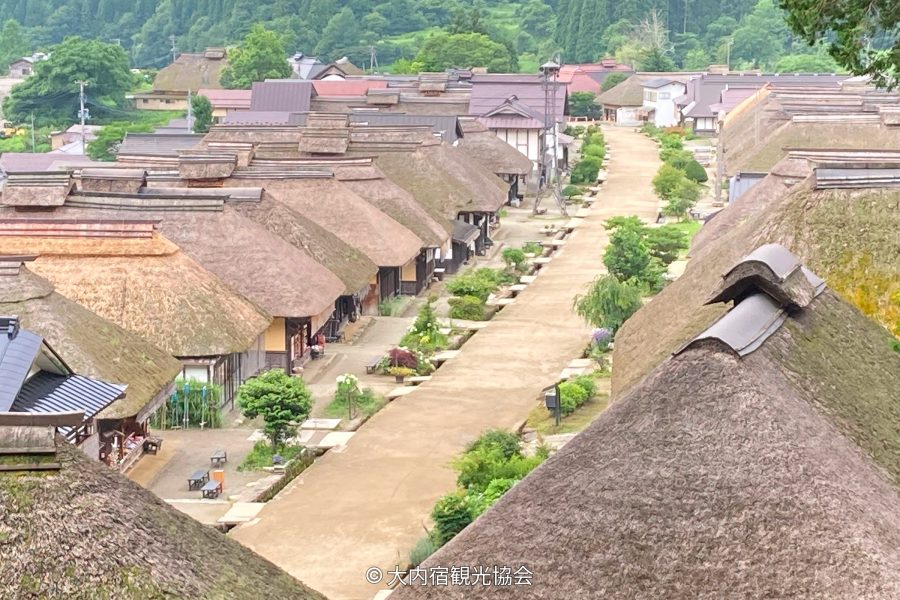
Preserved thatched-roof houses still used as shops and residences
Living heritage maintained by villagers through traditional techniques
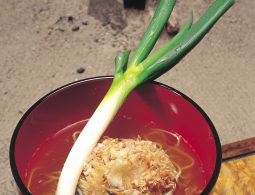
A local specialty of leek soba noodles
Ouchi-juku, pronounced “o-uchi,” is a nationally preserved district, featuring over 30 old thatched-roof houses along a 450-meter main street within a protected 11.3-hectare area. Ouchi-juku was a mid-way post town that served travelers making their way between the northern Tohoku region and Edo, offering meals, lodging, and respite on the long journey.
Spared from modern development when traffic routes shifted in the Meiji period, you can still soak up that rare, old Edo post town atmosphere when you walk the streets here. 300 year-old thatched-roof houses still line the street, functioning both as family homes and shops selling their specialty leek soba noodles and local crafts. The villagers themselves re-thatch the roofs with pampas grass and lead efforts to preserve the town’s unique heritage, to ensure their traditions are carried on into the present.
|
Address |
372 Ouchi Shimogo-machi, Minamiaizu District, Fukushima |
|---|---|
|
Access from Tokyo |
(1) From Tokyo Station, take the JR Joban Line to Kitasenju Station (approx. 18 minutes).
(2) At Kitasenju Station, transfer to the Tobu Railway Express Line and take the train to Aizu-Tajima Station (approx. 2 hours 57 minutes). (3) At Aizu-Tajima Station, transfer to the Aizu Tetsudo (Aizu Railway) and take the train to Yunokami Onsen Station (approx. 28 minutes). (4) At Yunokami Onsen Station, walk for approx. 7 minutes to the Ouchi-juku Iriguchi bus stop. Take the Aizu Bus (Edamatsusen Line) for approx. 15 minutes, getting off at Ouchishimo . (5) From the Ouchishimo bus stop, walk for approx. 6 minutes to Ouchi-juku. |
|
Website |
|
|
Related Information |
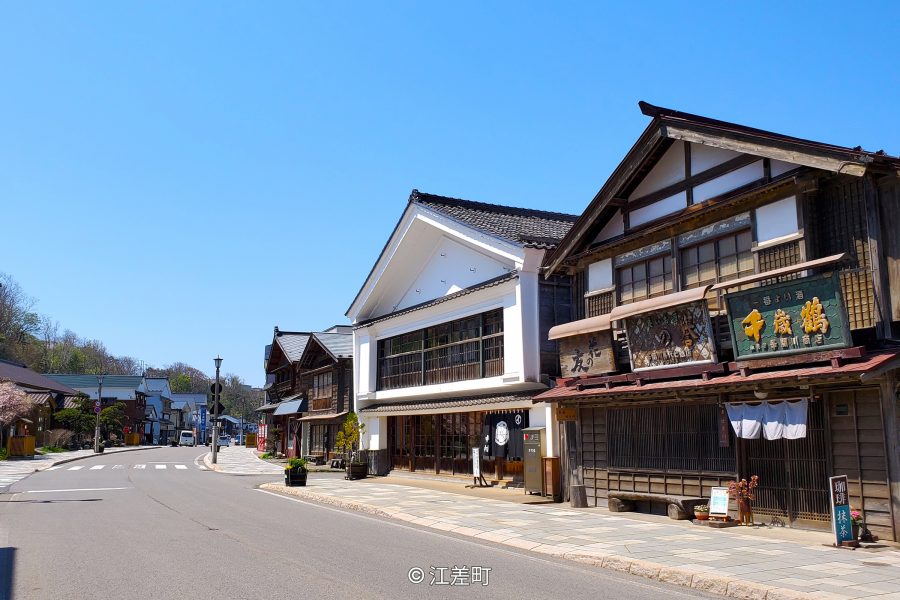
Ouchi-juku was once a key post town along the Shimotsuke Highway. You can learn more about its history and connection to the highway in the editorial, “EDO FIVE HIGHWAYS: The Roads That Built Japan.” If you want to dive deeper into Tohoku’s history, consider visiting other famous sites in the area, like Tsurugajo Castle, Hirosaki Castle, the Kakunodate Samurai District, and the spiritual Dewa Sanzan Shrine. If you are interested in post town history, Seki-juku is another must-see. It thrived as a key crossroads where routes branched toward Kyoto, Ise, and Nara, and served as a rest stop for pilgrims traveling to Ise-jingu Shrine. You’ll also find this spot on our Adventure Through Snow Country Living and Mountain Faith itinerary, which includes the famous castles of Shikoku. Check it out to help plan your trip. |
For the latest information regarding facility operating hours, please check the official website.
Last updated: Aug. 10th, 2026