Toeizan Kan’ei-ji Temple & Ueno Toshogu Shrine
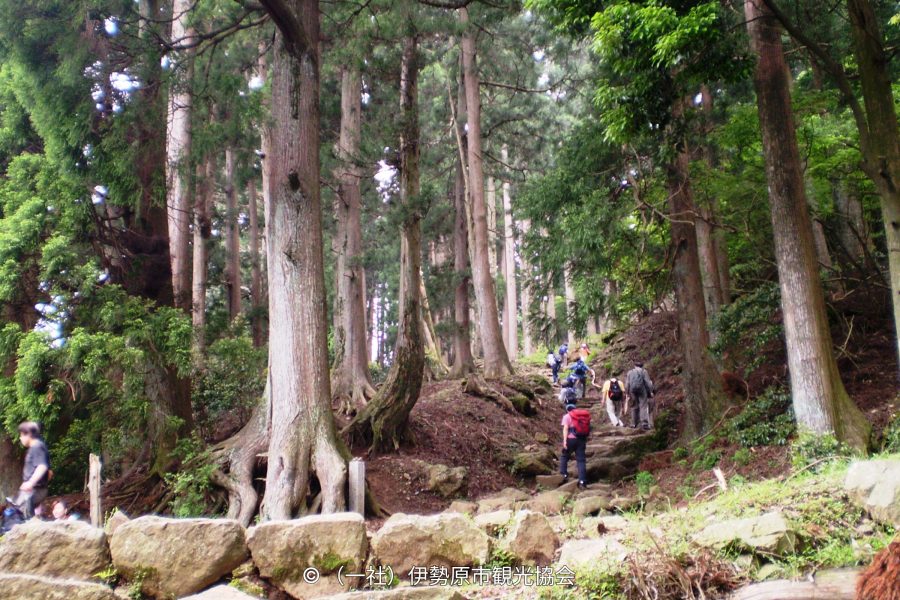
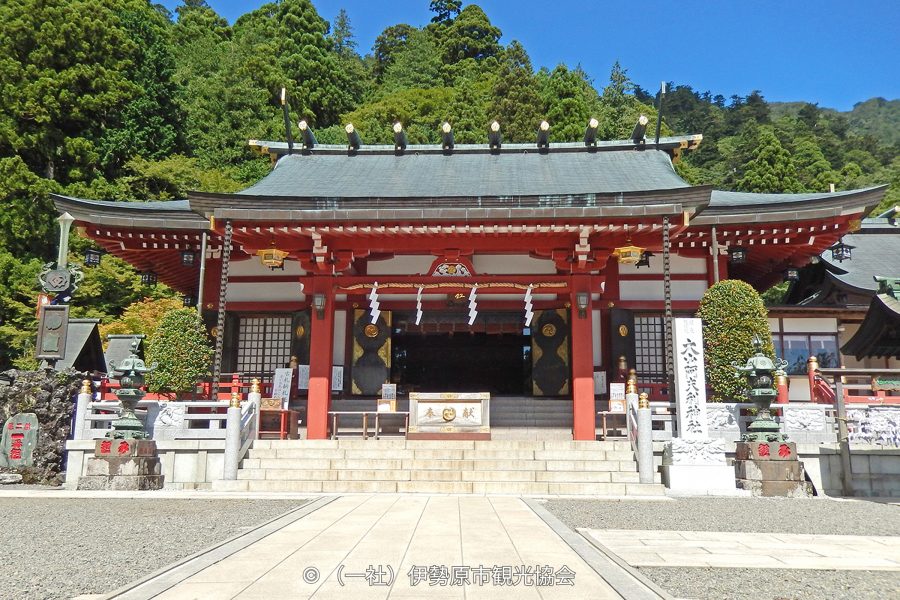
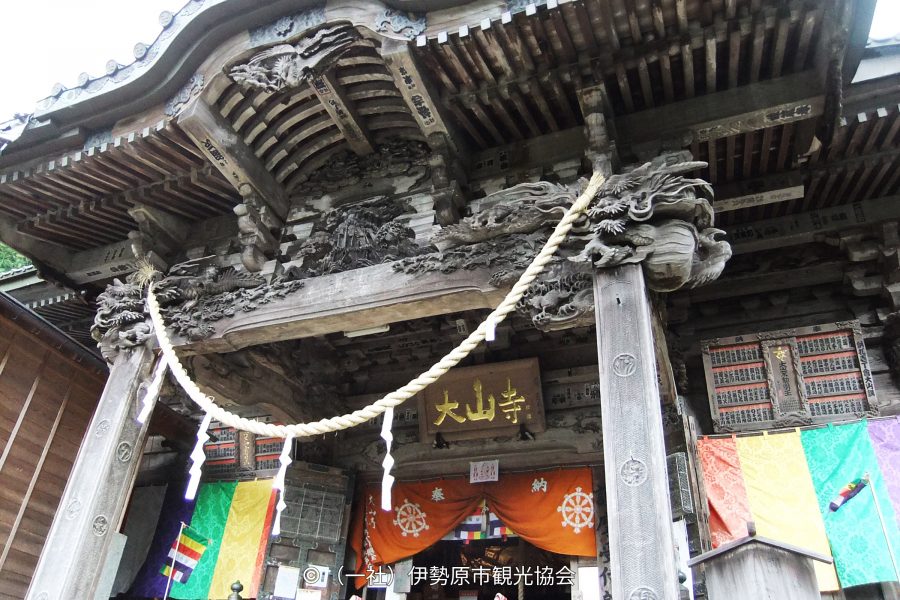
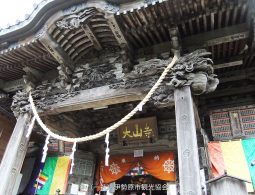
Mt. Oyama has long been known as the “mountain for rain prayers,” where visitors prayed for rain, bountiful harvests, and prosperous business
Its proximity to Edo made it a popular pilgrimage destination for commoners seeking both religious observance and leisure, reportedly attracting up to 200,000 visitors annually during the Edo era
The tradition of “Oyama Pilgrimage” continues to this day, preserving Edo-era customs and guided by dedicated guides (sendoshi)
Stay at a temple lodging, savor famous tofu dishes, and experience the refined pleasures of Edo-era leisure
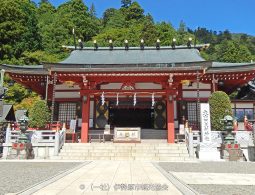
Rising above Isehara City in Kanagawa Prefecture, Mt. Oyama has been considered a sacred peak since ancient times, but it was during the Edo period that “Oyama Mairi,” or pilgrimages to the mountain, became a cultural phenomenon. Edo’s population topped one million during this period, and reportedly as many as 200,000 people made the journey to Mt. Oyama each year. Worshippers came to pray for rain, abundant harvests, and good fortune in business, but they also enjoyed Mt. Oyama as a kind of short trip—close enough to Edo for a short journey, often paired with visits to Enoshima on the way home. The spectacle of pilgrims traveling in groups, carrying giant wooden swords to dedicate at the shrine, even became the subject of kabuki plays and ukiyo-e images.
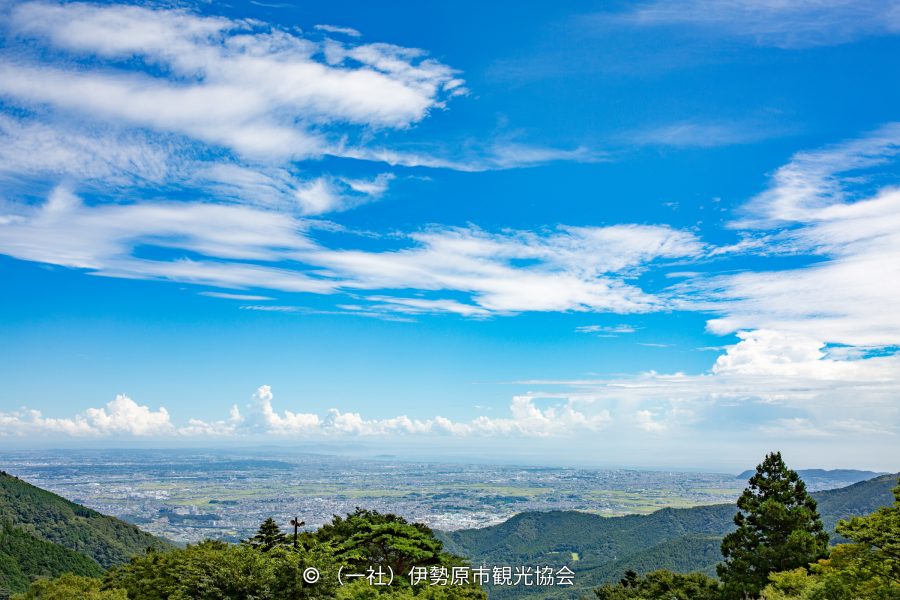
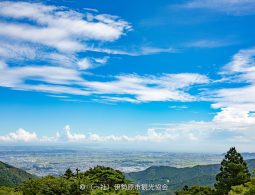
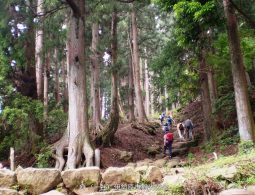
That lively tradition continues to this day. Visitors ascend the mountain in ceremonial robes, guided by sendoshi, the owners of the temple lodgings whose families have welcomed visitors for generations. Many temple lodgings also serve meals featuring tofu, a specialty of Mt. Oyama. Along the approach, shops sell local crafts such as the spinning “Oyama koma” top, a good-luck charm. From the summit, the sweeping views over Sagami Bay and Mount Fuji offer the same reward that drew people from Edo here centuries ago—a mix of faith and natural wonder unique to Mt. Oyama.
|
Address |
Oyama, Isehara City, Kanagawa |
|---|---|
|
Access from Tokyo |
(1) From Tokyo Station, take the Chuo Line Rapid to Shinjuku Station (approx. 13 min).
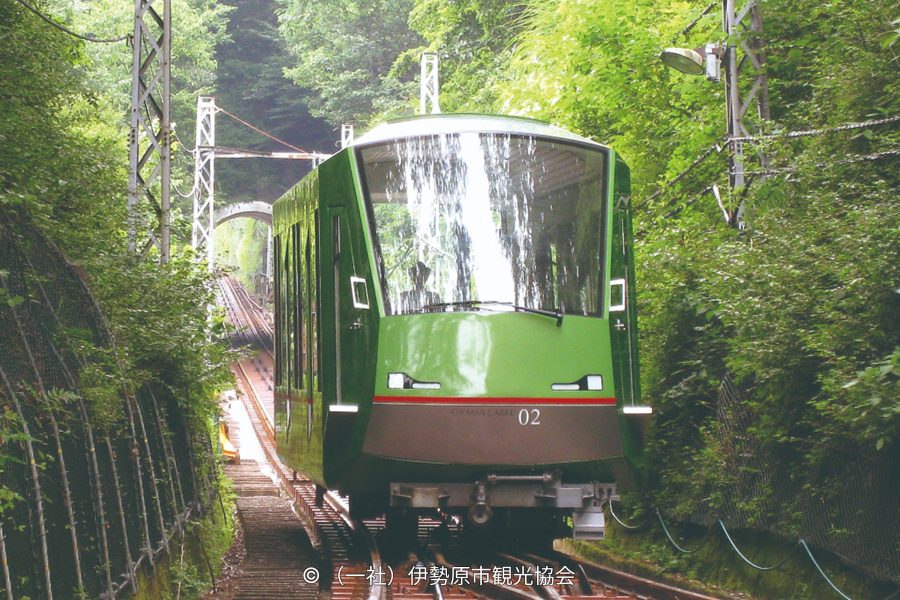
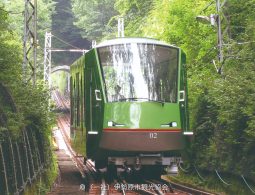
(2) At Shinjuku Station, transfer to the Odakyu Line Rapid-Express to Isehara Station (approx. 54 min). (3) From Isehara Station, walk to Isehara Eki Kitaguchi bus stop (approx. 3 minutes). (4) From Isehara Eki Kitaguchi bus stop, take the bus (bound for Oyama Cable) to the Oyama Cable (approx. 25 min). |
|
Website |
|
|
Official SNS Accounts |

|
For the latest information regarding facility operating hours, please check the official website.
Last updated: Jan. 19th, 2026