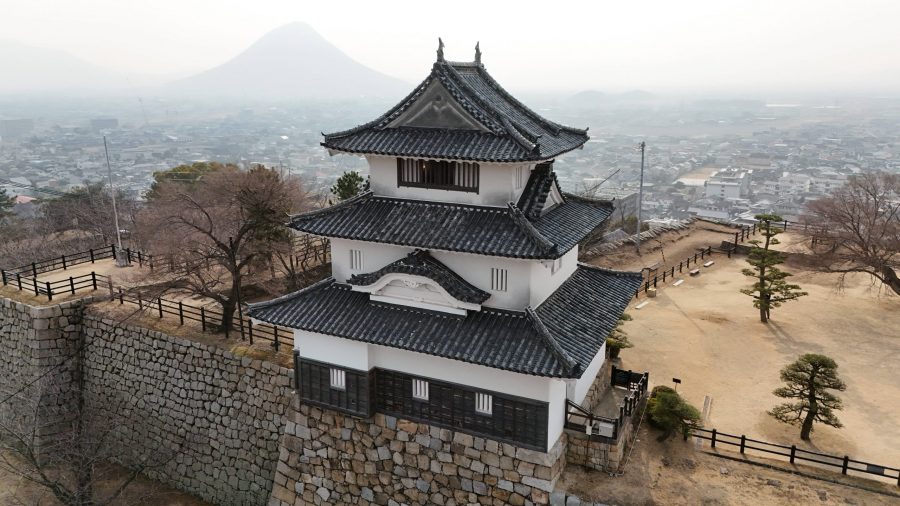
Marugame Castle
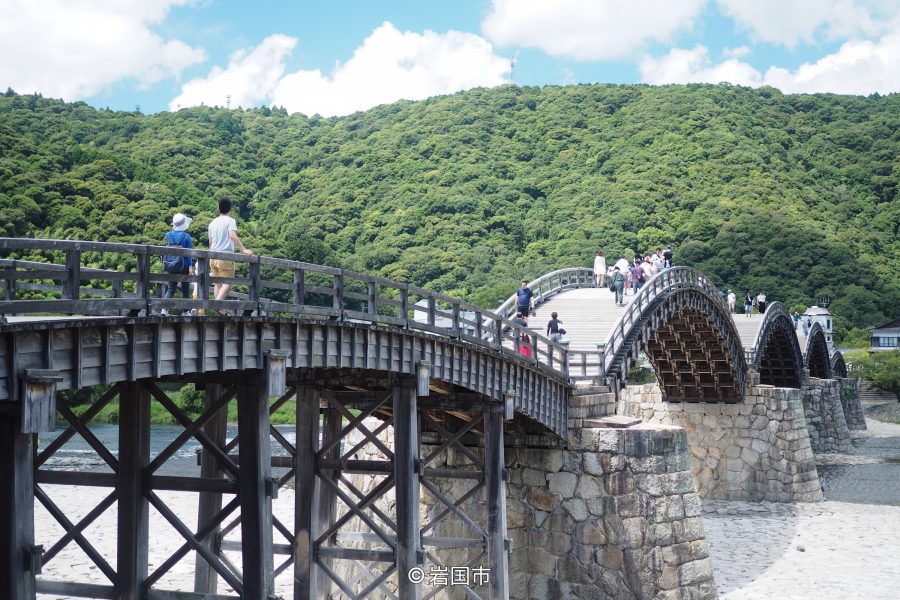
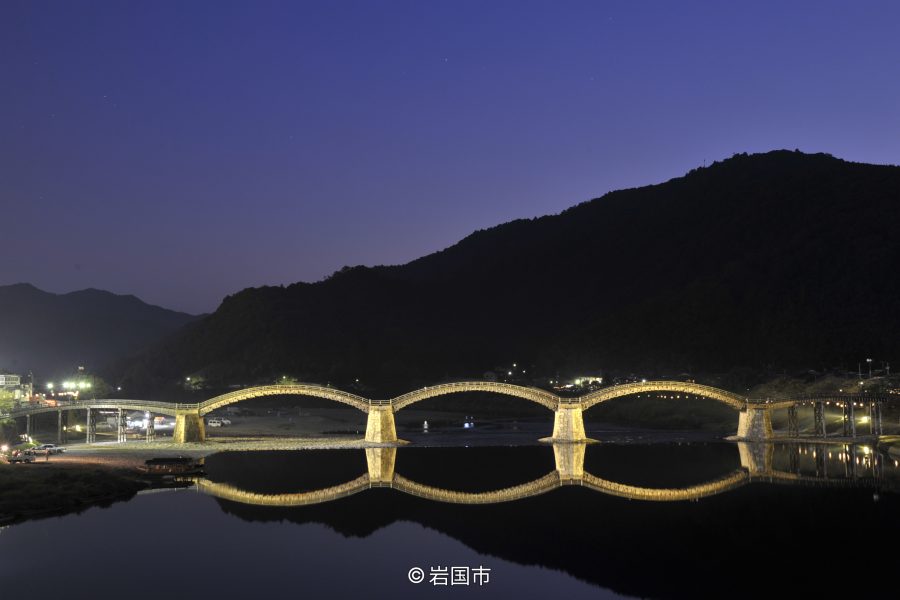
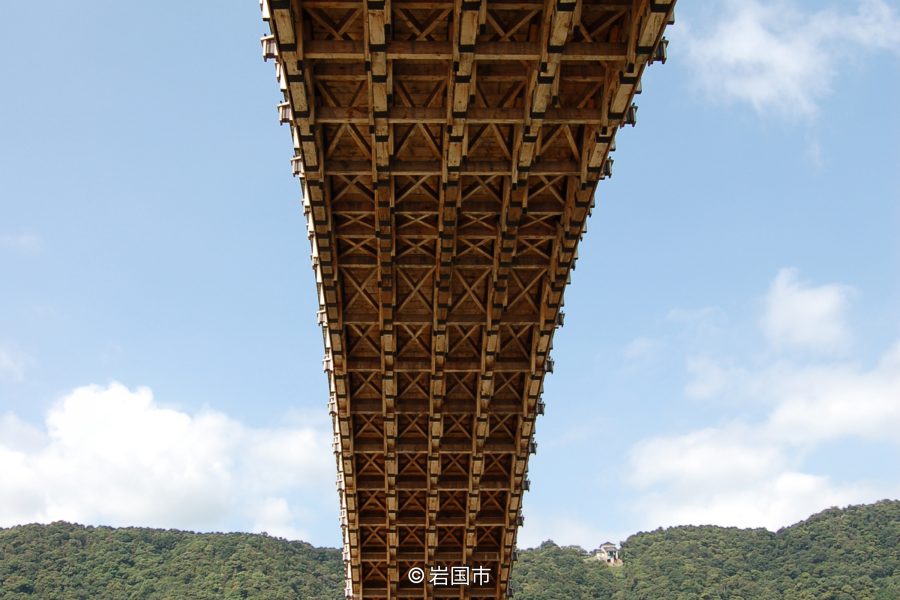
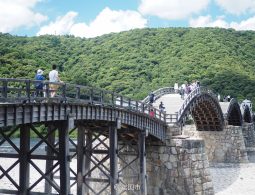
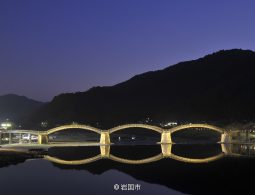
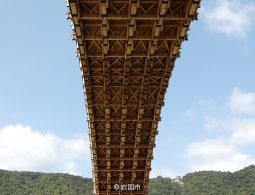
Constructed in 1673, this wooden bridge with five arches is a structural marvel rarely seen anywhere in the world
Rebuilt in 1953 using traditional Edo-period construction methods after being destroyed by a typhoon
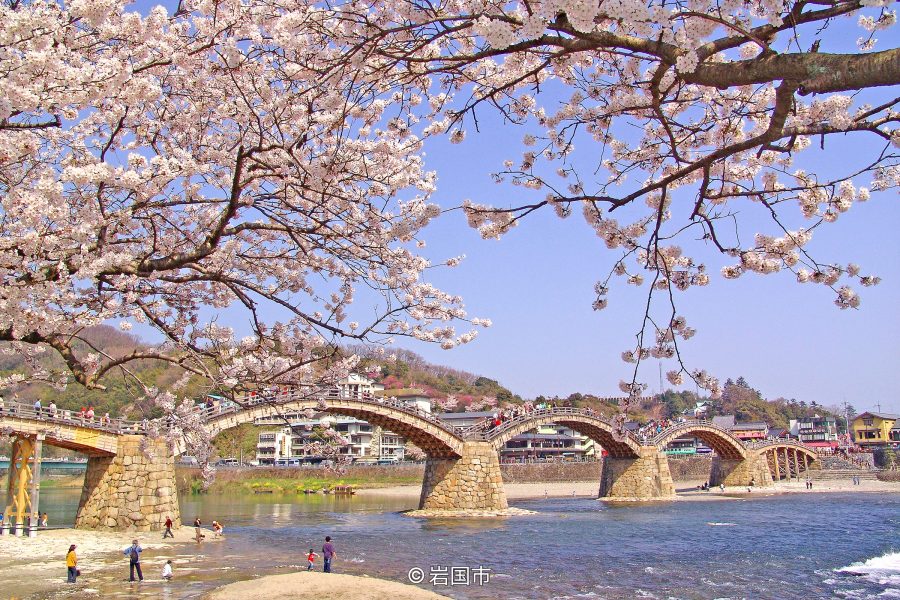
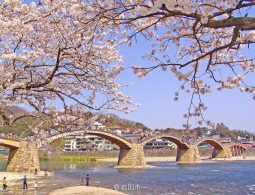
Stunning seasonal scenery: cherry blossoms, fireworks, autumn leaves, snow
Annual Kintaikyo Bridge Festival with a daimyo procession
The Kintaikyo Bridge in Iwakuni, Yamaguchi Prefecture, is one of Japan’s most iconic wooden bridges. First completed in 1673, its elegant series of five arches was an engineering marvel of the Edo period, designed to withstand the floods of the Nishiki River. Although washed away by a typhoon in 1950, it was faithfully rebuilt in 1953 using traditional carpentry techniques.
The bridge offers spectacular views year-round: cherry blossoms in spring, ukai (a traditional Japanese method of river fishing that uses birds called cormorants) and fireworks in summer, fiery foliage in autumn, and snow-covered arches in winter. Each spring, the Kintaikyo Bridge Festival brings the past to life with the Feudal Lord Procession, a colorful reenactment of the daimyo (feudal lord) and his entourage leaving for Edo, along with other historical demonstrations and parades.
|
Address |
Iwakuni, Iwakuni City, Yamaguchi |
|---|---|
|
Access from Tokyo |
(1) From Tokyo Station, take the Tokaido/Sanyo Shinkansen Nozomi to HIROSHIMA STATION (approx. 3 hr 48 min).
(2) At HIROSHIMA STATION, transfer to the Hiroshima Dentetsu No.2 Local to Kamiyacho-nishi (approx. 13 min). (3) From Kamiyacho-nishi, walk to the Hiroshima Bus Center (approx. 3 minutes). (4) From Hiroshima Bus Center, take the Kousoku Kintaikyo/Iwakuni Eki bus (bound for Kintaikyo/Iwakuni Station) to Kintaikyo (approx. 56 min). |
|
Website |
|
|
Note |
For the latest information regarding facility operating hours, please check the official website.
Last updated: Jan. 20th, 2026