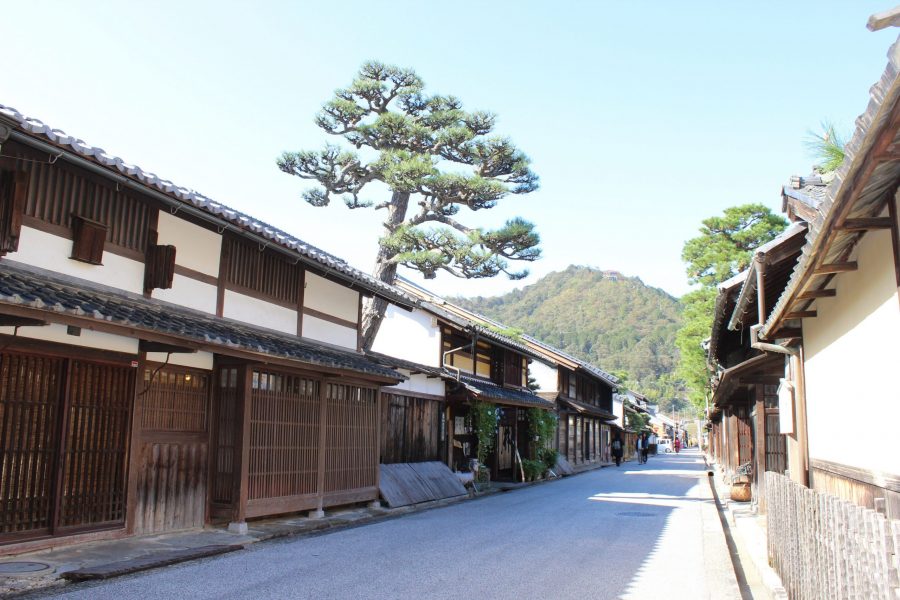
Omi Merchant Townscape (Shinmachi Street in Omihachiman)
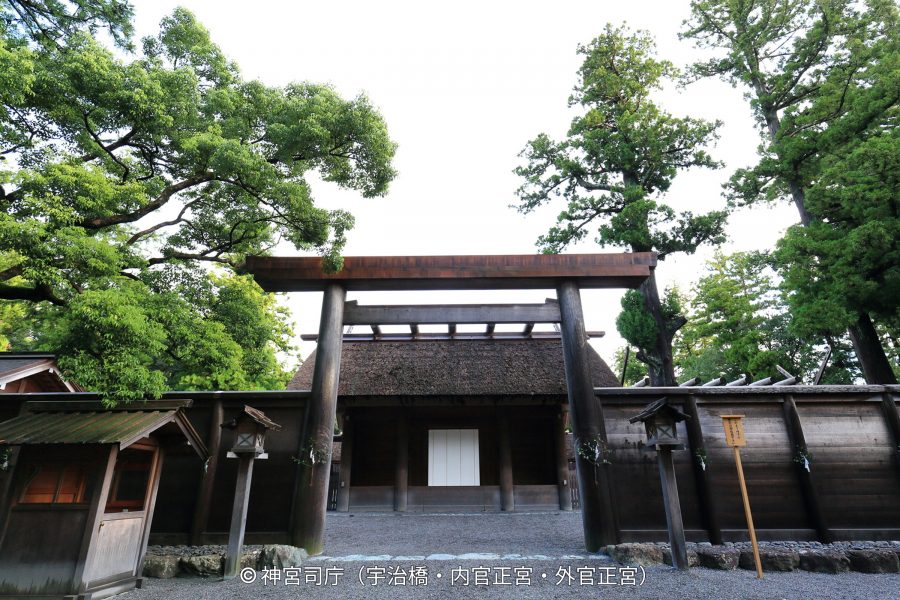
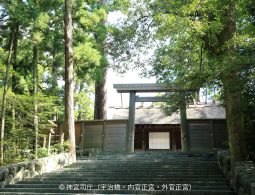
Enshrines Amaterasu Omikami, the supreme deity among Japan’s many gods
Pilgrimages to the shrine became popular starting in the Edo period
Explore Okage Yokocho nearby, for a sense of the historical streets Edo pilgrims walked
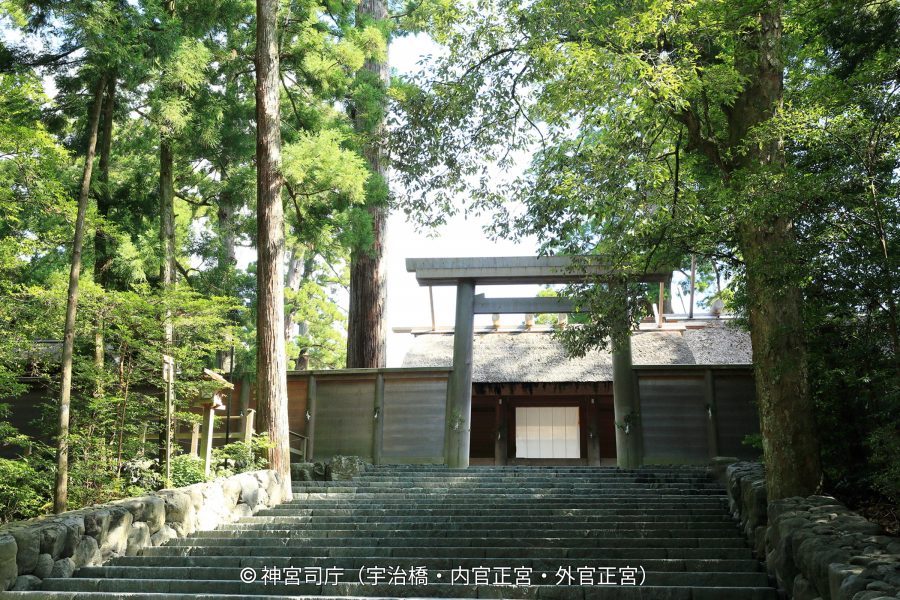
Ise Jingu is a grand shrine complex consisting of two main sanctuaries, the inner sanctuary (Naiku) and outer sanctuary (Geku), located roughly 4.5 kilometers apart from each other. For nearly 2,000 years, the sanctuaries of Ise have been revered by pilgrims who traditionally follow a route popularized during the Edo period. The Edo period worship route begins at Futami Bay for purification rites, then proceeds to the Geku, dedicated to Toyouke, the goddess of food, agriculture, and clothing. The next stop is the Naiku, the principal sanctuary dedicated to the sun goddess Amaterasu, and the route concludes with a visit to Mount Asama.
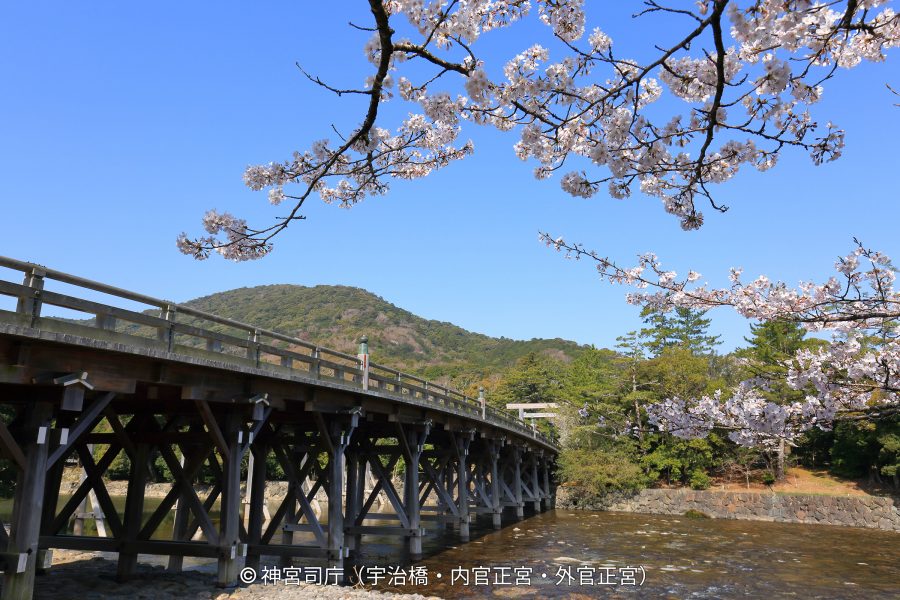
A unique tradition here is the Shikinen Sengu, a ritual where the Naiku, the Ujibashi Bridge, and other significant buildings are entirely reconstructed every two decades. This impressive practice has continued since the 7th century, except for a temporary pause during the 15th-16th centuries. The entire process spans eight years, with the latest renewal in 2013.
During the Edo period, making a pilgrimage to Ise, known as O-Ise Mairi, became a common practice that saw millions of ordinary people travel here. Today, visitors can still experience a part of that legacy by visiting the ancient shrine itself, and the sights nearby, like Okage Yokocho, a district modeled after Edo period townscapes. Wander through these most ancient shrine grounds, and across the serene and cyclically reconstructed Ujibashi Bridge, and touch on Japan’s spiritual traditions and the echoes of Edo era travel and pilgrimage culture.
|
Address |
1 Ujitachi-cho, Ise City, Mie |
|---|---|
|
Access from Tokyo |
(1) From Tokyo Station, take the Tokaido Shinkansen Nozomi to Nagoya Station (approx. 1 hr 37 min).
(2) At Nagoya Station, transfer to the Rapid Mie to Iseshi Station (approx. 1 hr 27 min). (3) From Iseshi Station, walk to the Iseshi Station(Bus Stop No.4) (approx. 3 minutes). (4) From Iseshi Station(Bus Stop No.4), take the Ise surrounding city A Line bus (bound for Naiku-mae to Naiku-mae (approx. 19 min). |
|
Website |
For the latest information regarding facility operating hours, please check the official website.
Last updated: Jan. 20th, 2026