Following in the Footsteps of Tokai’s Great Shogun
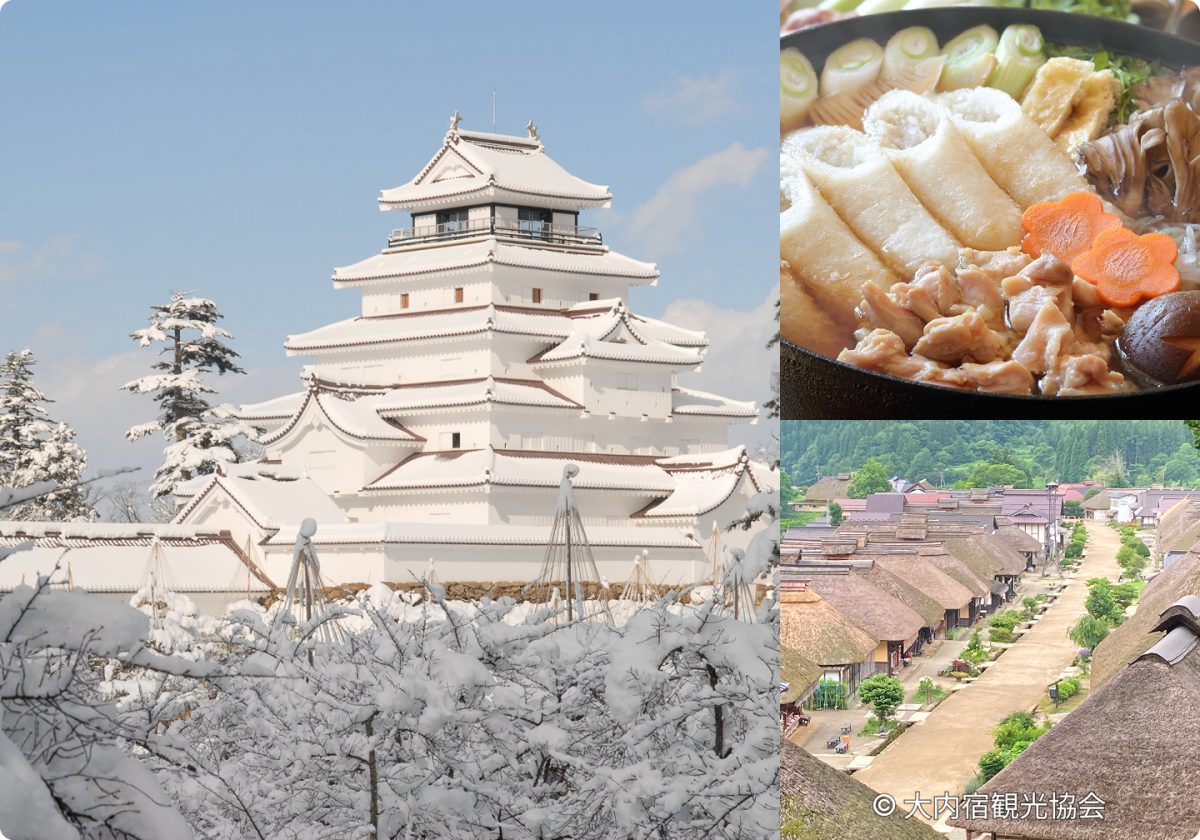
Dominated by the Ou Mountains, the Tohoku region experiences bitterly cold winters and abundant snowfall, especially on the Sea of Japan side. This rugged environment fostered ingenuity in everyday life and shaped spiritual practices and pilgrimage traditions that endure to this day.
History
Explore historic castle towns like Aizu-Wakamatsu, Sendai, and Kakunodate, tracing the samurai spirit and culture that still lives on in the Tohoku region.

Culture
Trace the story of a people shaped by the sharp cold of winter, from the ingenious architecture of Ouchi-juku to the sacred mountain faith of Dewa Sanzan, and discover the beautiful artistry born from snow-bound life.

Food
Welcome to a culinary sanctuary where pure meltwater nourishes fertile rice paddies. Experience the rich food culture nurtured in Tohoku—from Sendai's zunda mochi and Akita's kiritanpo hot pot paired with sake, to Tsuruoka, a UNESCO Creative City of Gastronomy.

Aizu-Wakamatsu – Experience the Spirit of the Samurai in the Castle and Castle Town
Your journey to the Tohoku begins with a ride on the Shinkansen followed by a local train ride to the historic castle town of Aizu-Wakamatsu. Spend the afternoon immersed in samurai heritage at the city’s historical landmarks.
8:45 a.m.
Approx. 3 hours 15 minutes
12 p.m. - 5 p.m.
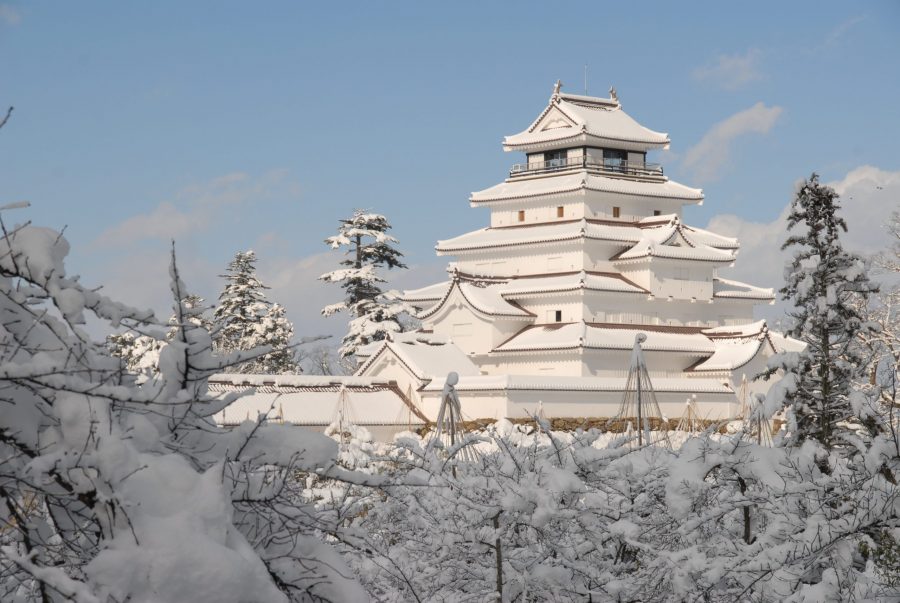
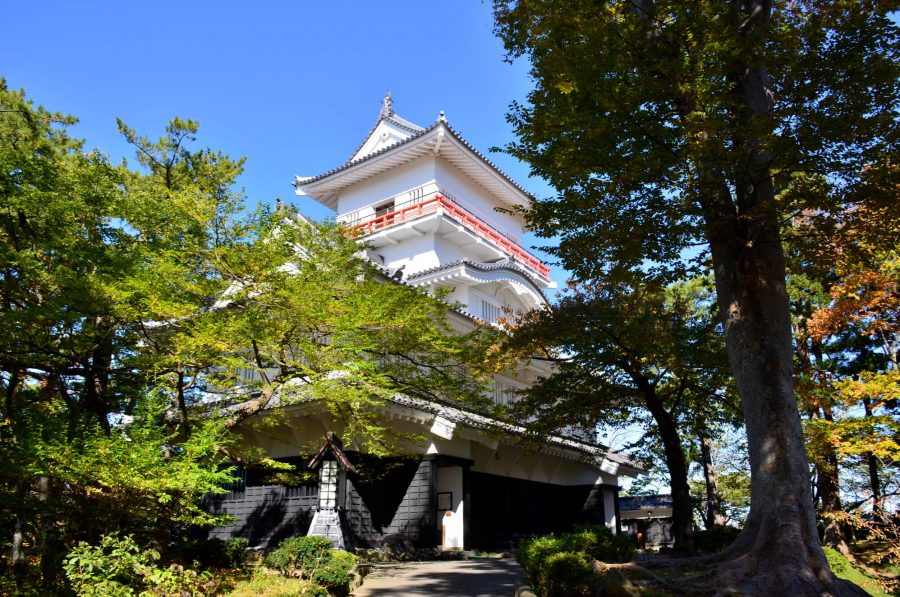
Start your trip at Tsurugajo Castle, the formidable heart of the Aizu Domain, where samurai loyal to the shogunate made a defiant stand during the Boshin War. Today, its faithfully restored keep is a unique landmark in Japan, distinguished by its iconic red roof tiles. Delve deeper into the samurai era by visiting the immaculately preserved Aizu Samurai Residences and the tranquil Goyakuen medicinal herb garden in the city. The afternoon concludes with a hands-on cultural experience: painting your own Akabeko, a beloved local folk toy and a charming symbol of the region’s resilience.
 Local Highlights
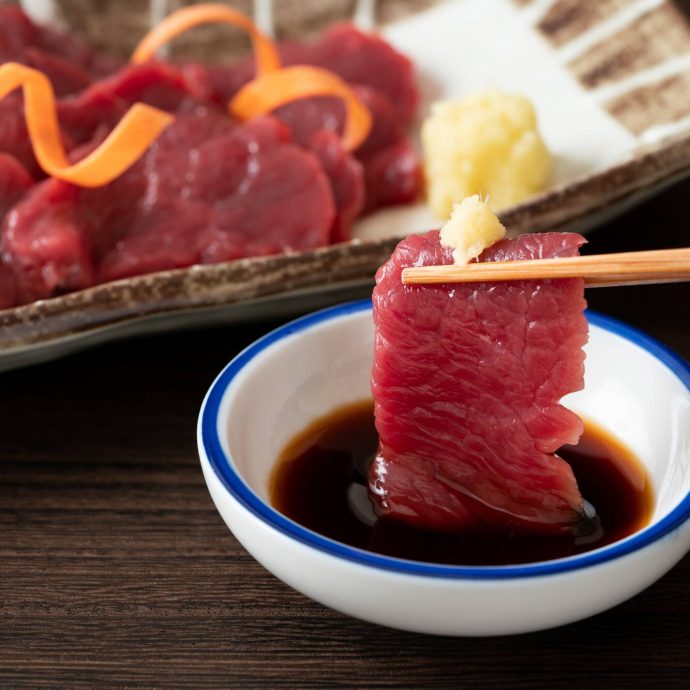
A local delicacy you may see is basashi (horse sashimi), which became popular in the region after it was used to feed the wounded during the Boshin War. In Aizu, it is also eaten with spicy mustard miso.
Approx. 20 minutes
6 p.m.
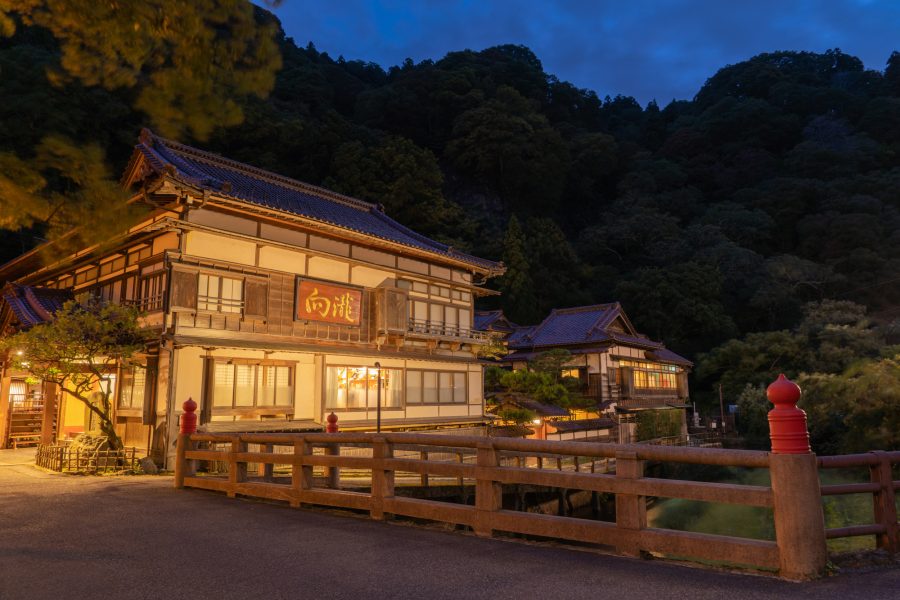
Relax and unwind at Higashiyama Onsen. Its history stretching back to the 8th century, this resort flourished as a favorite retreat of the samurai of the Aizu domain. The soothing waters and scenic natural surrounds are just the thing to soothe your aches and pains away after a busy day of sightseeing.
Post Town Life and Culinary Goodness
Experience the lifestyle of a remote Edo period post town, before heading to the modern lights and delicious food of Sendai, the city of feudal lord Date Masamune.
9 a.m.
Approx. 1 hour
10 a.m. - 1 p.m.
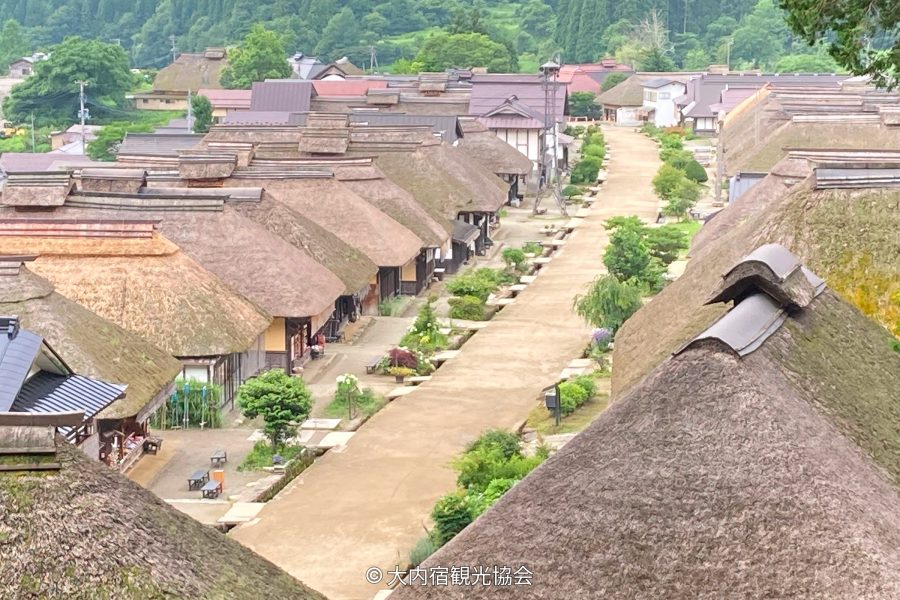
Step back in time as you wander the main street of an old post town that flourished as a respite for travelers between the Tohoku region and Edo. As you wander the main street, you’ll see the community’s wisdom for living in a harsh climate firsthand in the magnificent thatched roofs, an architectural design built to withstand the region’s heavy snow. Explore the lives of a community that called the snowy mountains home and try your hand at cooking some of the local cuisine.
 Local Highlights
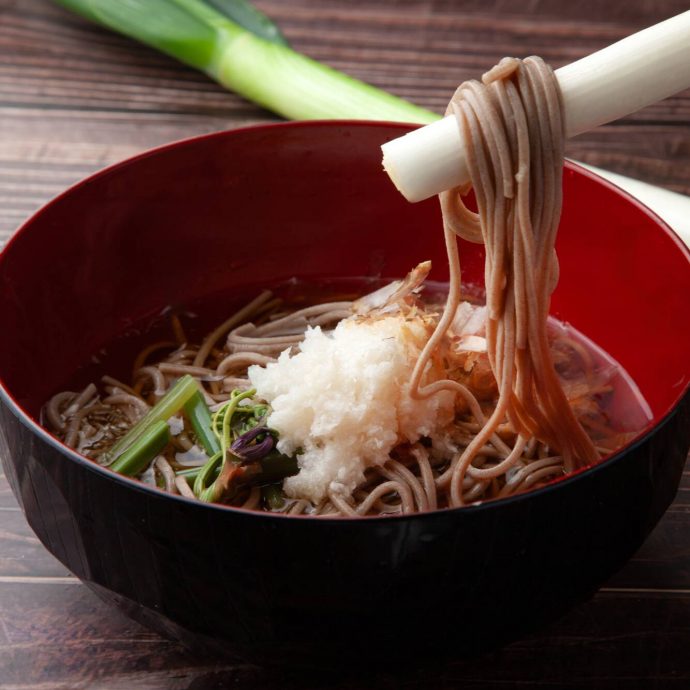
Don't miss Ouchi-juku’s famous negi-soba, a bowl of buckwheat noodles eaten with a large green onion instead of chopsticks!
Approx. 3 hours
4 p.m.
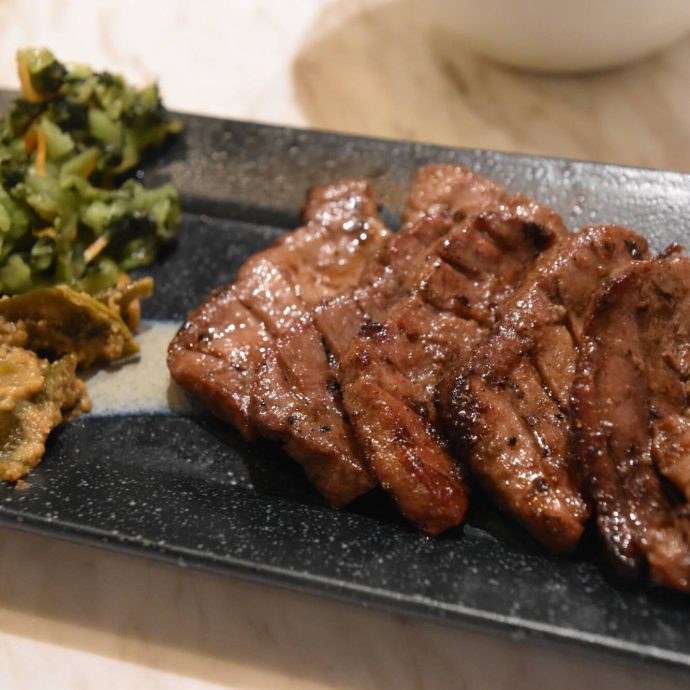
Local HighlightsA food lover’s paradise awaits with local treats such as vibrant zunda mochi (sweet edamame paste on rice cakes), fresh seafood, and Sendai beef tongue with miso to fill your stomach after a day chasing samurai. This region has proudly been producing miso since the Edo period. Also, sample the famous sasa kamaboko, or bamboo leaf-shaped fish cakes.
From a Castle Town to a Handicraft Village: A Journey Through Two Cultures, the Pacific and the Sea of Japan
Your journey begins in Sendai, Tohoku's largest city and the historic seat of the powerful Date clan on the Pacific coast. Known as the "City of Greenery," it blends samurai heritage with a vibrant urban culture. From here, you'll head towards the Sea of Japan and conclude the day in Akita, a region celebrated for its diverse crafts. This coast-to-coast journey reveals the remarkable diversity of Tohoku’s landscapes, connecting two different seas and the distinct cultures they fostered.
9 a.m. - 1 p.m.
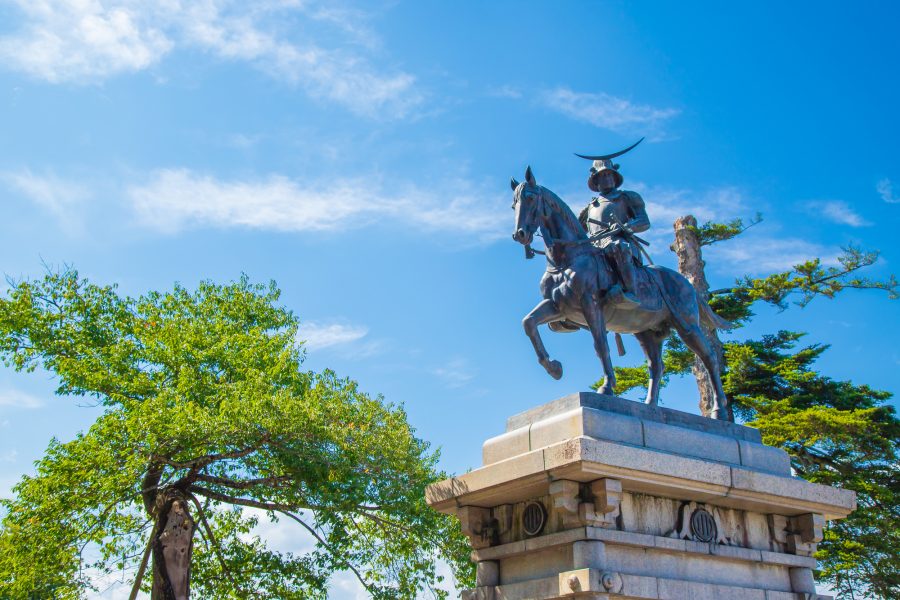
Sendai is home to numerous sites connected to the Date Domain, perhaps most famously the ruins of Aoba Castle (Sendai Castle). Further afield lies the breathtaking coastline of Matsushima—one of Japan’s Three Scenic Views—and Zuigan-ji, the Date family temple.
 Local Highlights
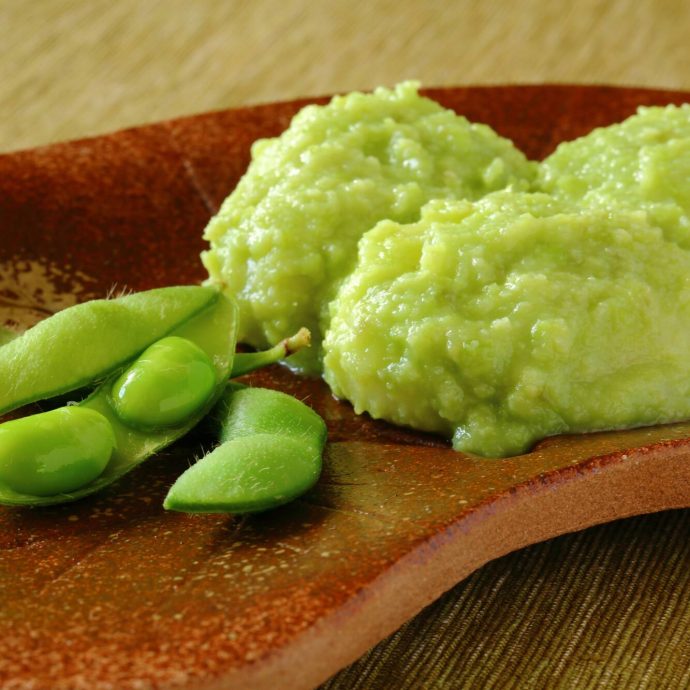
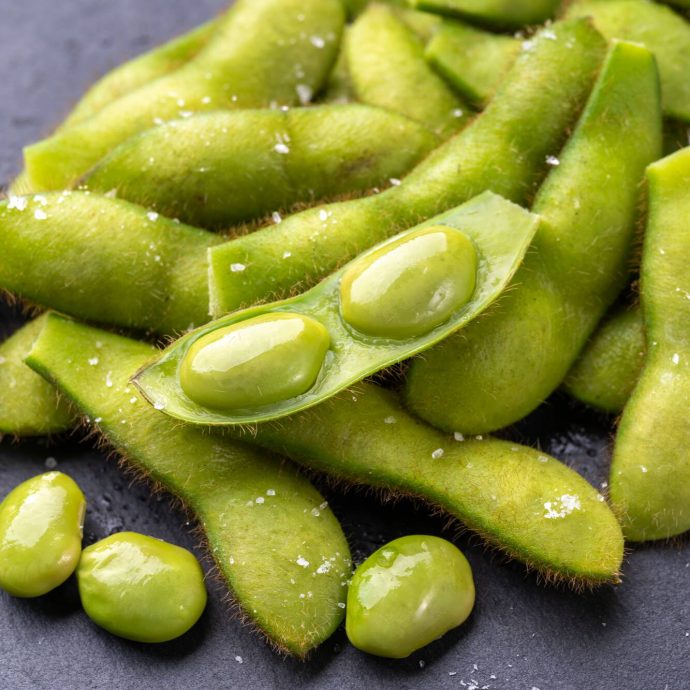
Connect with local culinary traditions through a hands-on zunda mochi-making experience. This beloved regional specialty consists of soft rice cakes covered in zunda, a vibrant green, sweet paste made from freshly ground young soybeans (edamame). The confection is famously associated with the Date clan samurai, and legend has it that they consumed it before going into battle.
Approx. 2 hours 15 minutes
3:15 p.m. - 5:15 p.m.
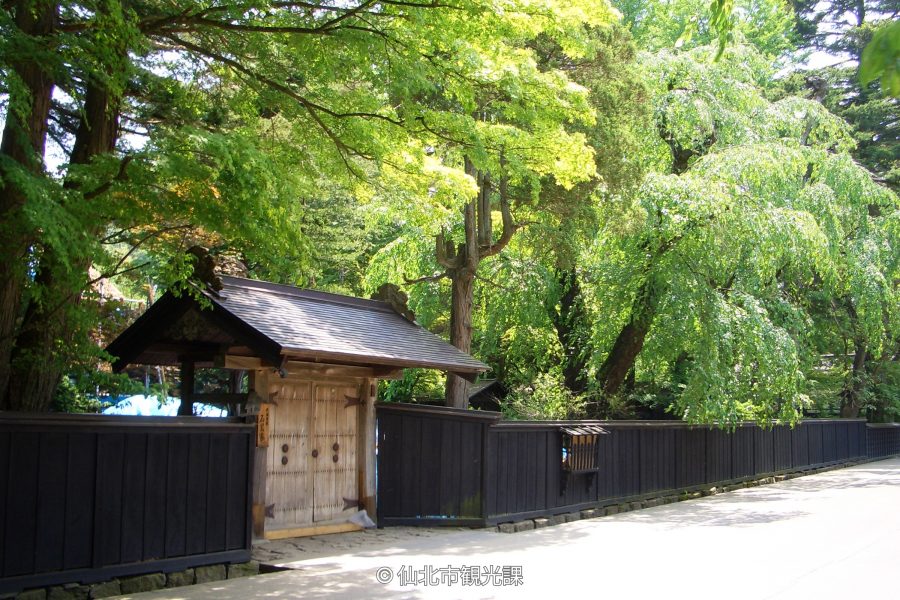
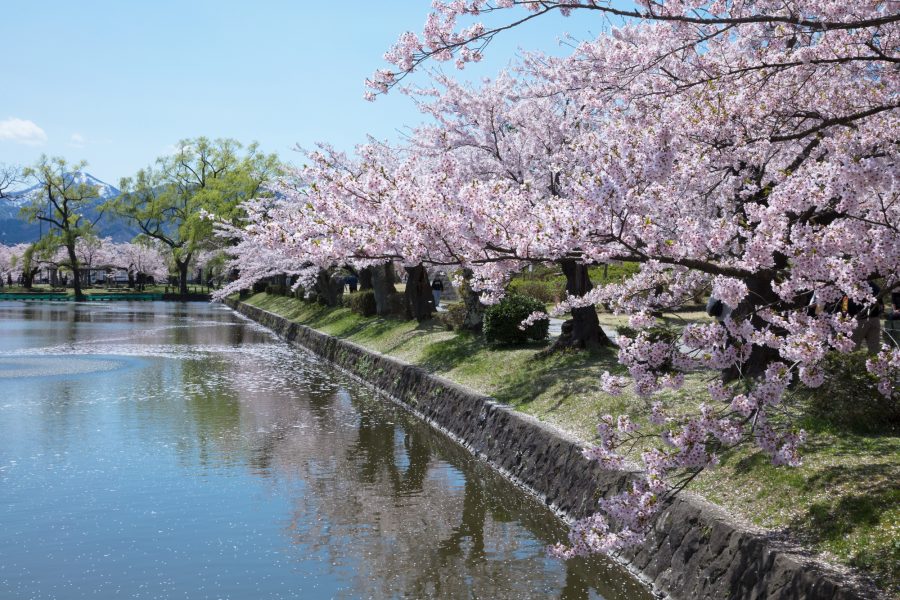
Often called the “Little Kyoto of Tohoku,” Kakunodate invites visitors to step back into Edo period warrior life through its historic streets lined with beautifully preserved samurai residences. You can also refine your sword-drawing skills in an Iai experience or find calm and focus through a Zazen meditation session. Come spring, the samurai quarter and the banks of the Hinokinai River are transformed by the spectacular, sweeping cherry blossoms.
 Local Highlights
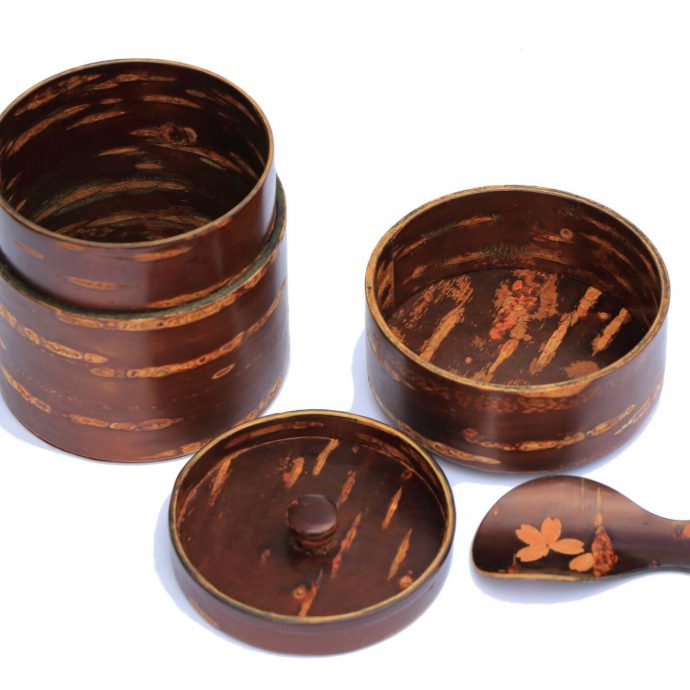
The craft of kabazaiku (cherry bark work), once practiced by samurai, is a signature industry of Kakunodate. Visitors can shop for or try their hand at making elegant cherry bark items such as tea caddies and boxes.
Approx. 1 hour
6:15 p.m.
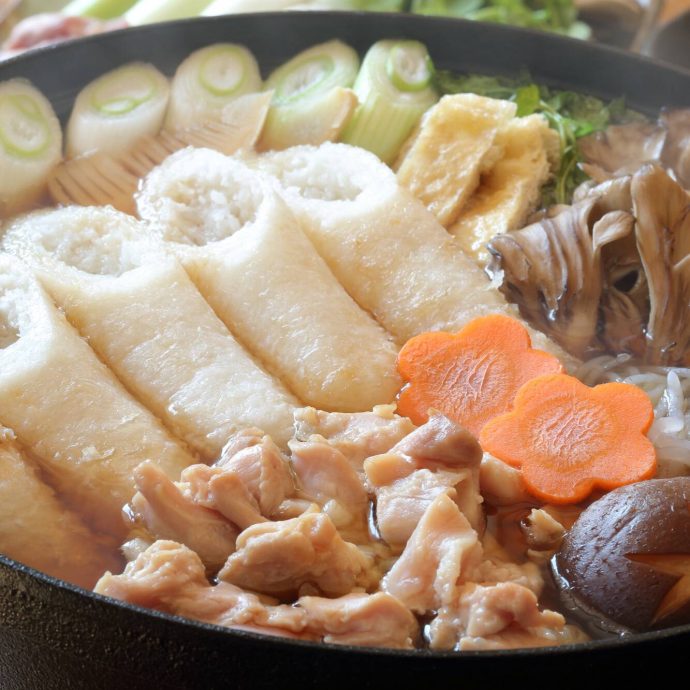
Local HighlightsAkita’s cuisine is hearty and rustic. Warm up with kiritanpo hotpot (chicken and vegetable stew with grilled cylinders of mashed rice), savor the tangy, umami-rich hatahata-zushi (fermented sandfish sushi) or taste some Inaniwa udon—a silky-smooth variety of noodles that has been a local specialty since the early Edo period.
From a Renowned Sake Brewery to a Merchant's Mansion and a Sacred Mountain
Today, you will explore a culture shaped by the snow country, beginning with a visit a sake brewery in Akita. Here, you will discover how the region's pure mountain snowmelt is transformed into delicious Japanese sake. Afterwards, you will step into the mystical realm of Dewa Sanzan and its ancient mountain faith.
9 a.m. - 12 p.m.
Akita is a former castle town of the Kubota Domain. It developed a vibrant cultural scene during the Edo period, including the distinctive Ranga painting movement incorporating Western artistic techniques. The city continues to display artistic flair today through its museum, crafts and festivals.
 Local Highlights
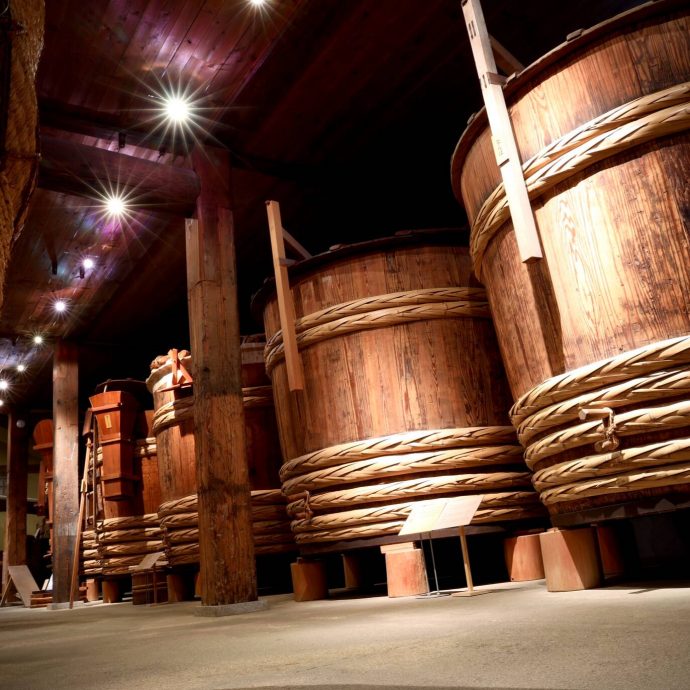
Sake brewing in Akita was established during the Edo period as a business to support the Kubota domain's finances and is driven by the area's pure natural environment. Today, visitors can still explore historic breweries, sample local sake unique to the area, and buy it as a memorable souvenir. Some breweries also provide guided tours.
Approx. 2 hours 15 minutes
2:15 p.m.
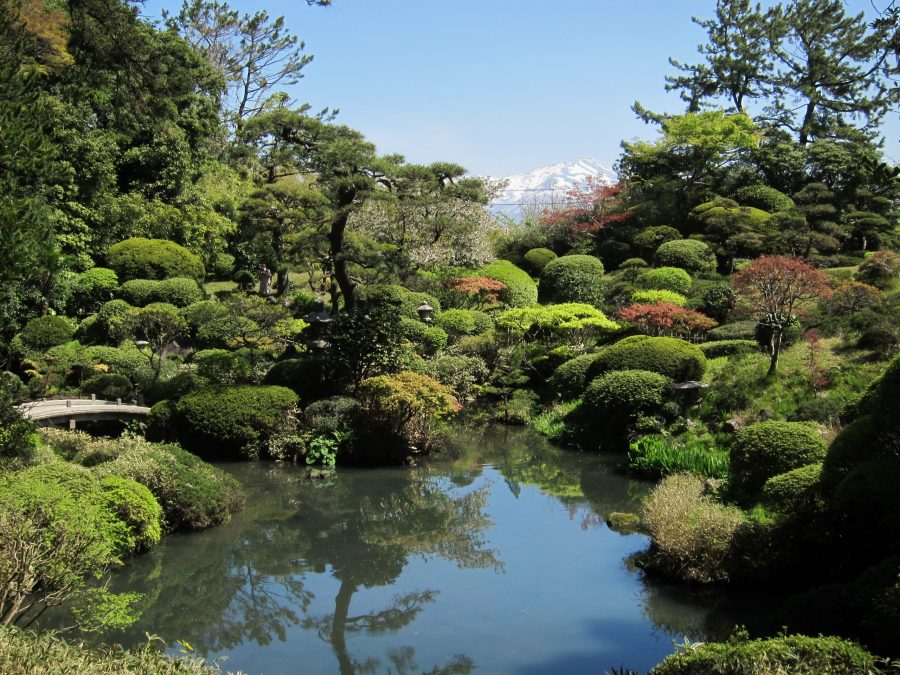
Set in grounds of the former villa of the prosperous Honma merchant family, the Homma Museum of Art showcases works of art spanning multiple eras, including pieces donated by Edo period feudal lords. The original house, a lavish example of Edo period architecture, and the elegant strolling garden it overlooks are just as much of a highlight as the collection.
Approx. 2 hours 15 minutes
5:30 p.m.
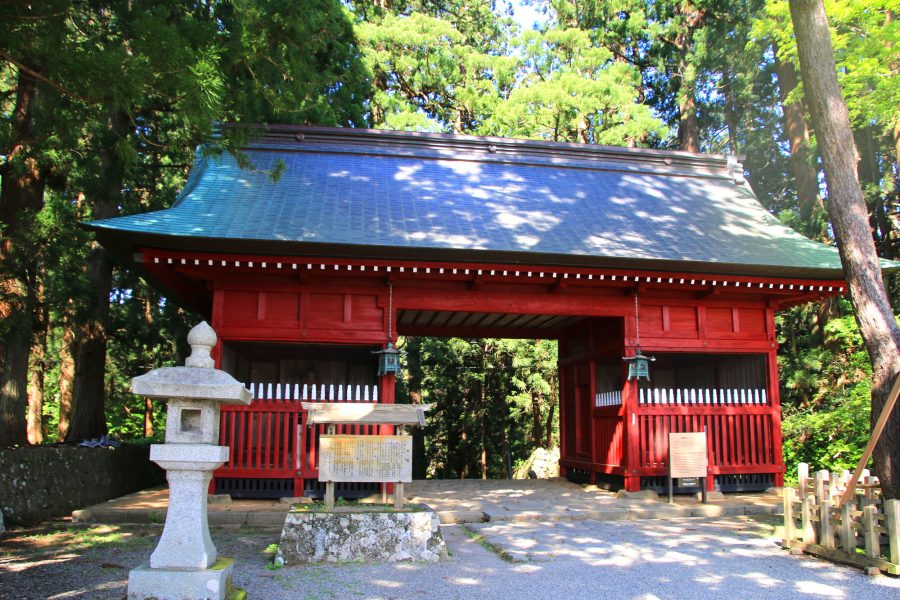
Zuishin Gate on Mt. Haguro is the grand entrance to the world of the Dewa Sanzan Shrine, which venerates the three sacred mountain peaks of Haguro, Gassan and Yodono. Tomorrow, you’ll pass through here and walk the famous approach path, lined with ancient giant cedar trees, consisting of 2,446 stone steps.
Approx. 30 minutes
6 p.m.
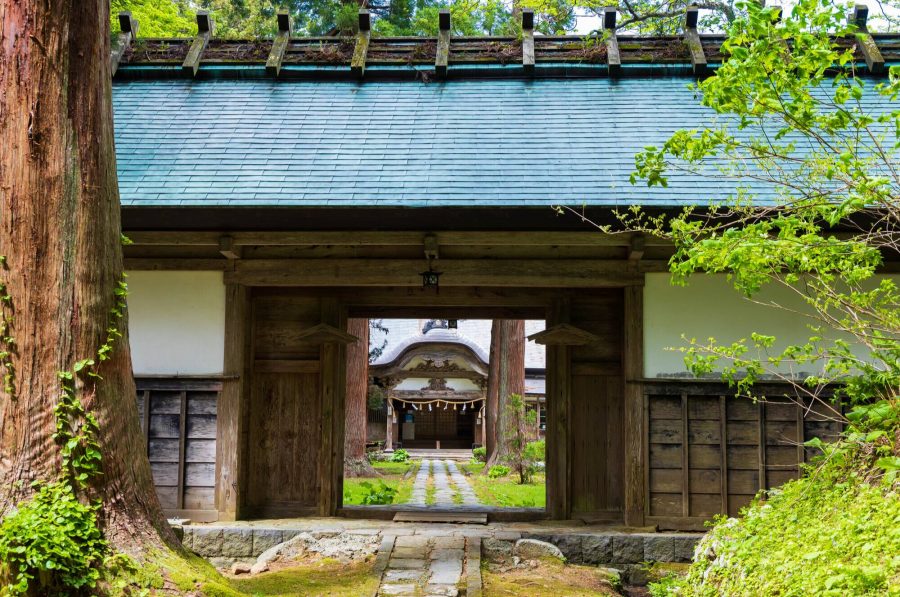
Local HighlightsEnjoy a serene retreat at Haguro pilgrims’ lodgings. They offer a unique chance to step into the spiritual world once experienced by pilgrims of the Edo period. Spend a memorable night cleansing your body and mind in a traditional Japanese style room with tatami mats. In the morning, you are welcome to join the daily prayers.
Sacred Peaks and Creative Cuisine
Follow historic pilgrimage routes and immerse yourself in pristine, majestic nature. A visit to Tsuruoka, a city of world-renowned cuisine, will surely become a special memory of your journey.
9 a.m. - 1 p.m.
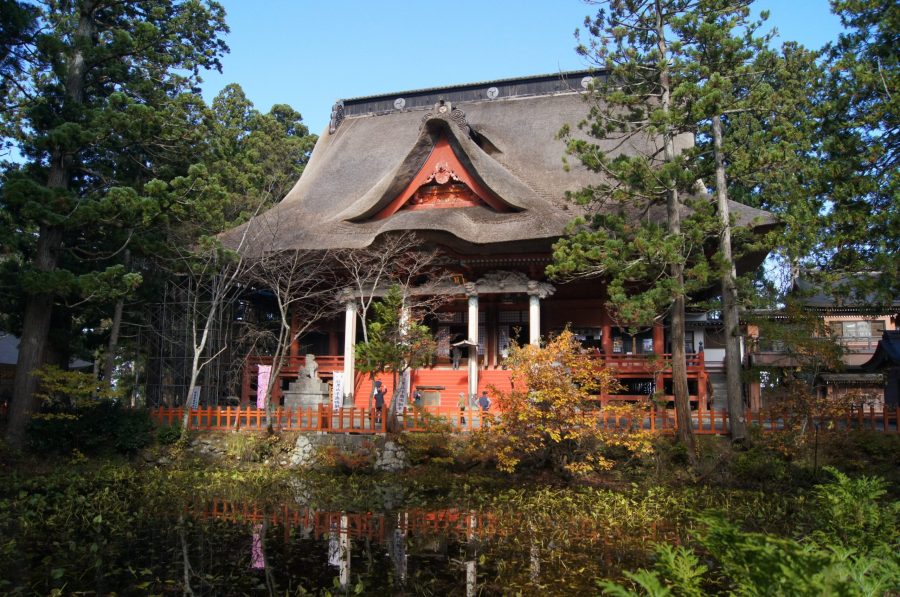
Walk in the footsteps of Edo period pilgrims who journeyed here to honor the mountain faith of the three sacred peaks of Dewa Sanzan. Along the way, you’ll encounter historic sites like the five-story pagoda nestled among towering cedars, as well as sacred landmarks that elevate the spiritual ascent to the shrine at the summit.
 Local Highlights
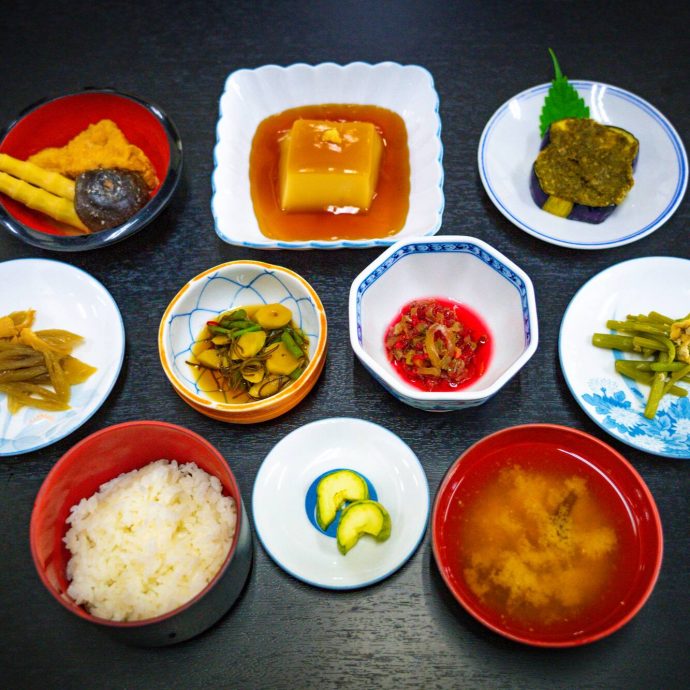
Be sure to try the local shojin ryori—the traditional vegetarian cuisine of Japanese temples. An integral part of the pilgrimage experience, dishes are carefully prepared to nourish both body and soul.
Approx. 1 hour
2 p.m. - 4 p.m.
Round off your journey through Tohoku in Tsuruoka, the heart of the former Shonai Domain. The city still evokes the charm of a traditional castle town and bears the lasting imprint of the Sakai clan who once ruled here. Highlights include Tsuruoka Park, built on the grounds of the former castle, and Chido Museum, which offers a captivating look into the region’s rich samurai-era history.
 Local Highlights
Tsuruoka has a proud culinary tradition that led to it becoming Japan’s first UNESCO Creative City of Gastronomy. Your inner foodie will revel in the city’s diverse epicurean landscape combining abundant seasonal heirloom crops, shojin ryori traditions and seafood culture with modern innovation.
Approx. 4 hours 10 minutes
8:10 p.m.