Enter the World of the Shoguns at Edo Castle and Kan’ei-ji Temple
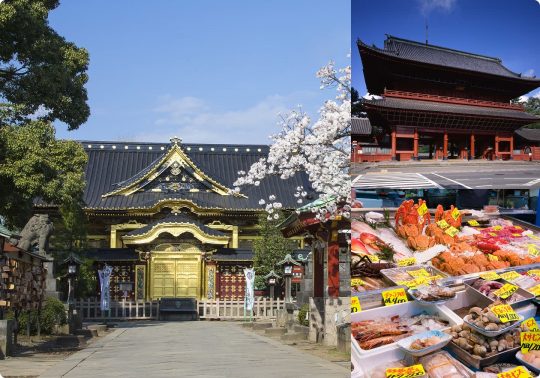
The Tokugawa shogunate secured its dominance by placing allied families in strategic locations beyond its seat of Edo. The clan’s influence remains visible across the North Kanto region, in Nikko, which it developed as its spiritual home. Sections of the original Nikko Kaido road made under Tokugawa rule still survive today, along with remnants of the post towns along the route.
History
Visit key places in the Edo shogunate’s network of strongholds beyond Edo and learn about its hand in the development of Nikko and the Nikko Kaido.

Culture
Make your very own paper lantern in Mito, one of Japan’s major lantern production areas.

Food
In Mito, savor its renowned nutritious natto and hearty monkfish hotpot. In the historic post town of Tochigi, delight in authentic flavors from recreated Edo period recipes. Finally, in Nikko, explore the delicate tofu skin known as yuba. Not only are these dishes delicious, but they are also highly nutritious.

Visiting Mito, the Castle Town of the “Three Great Houses”
Begin by traveling to Mito where you'll delve into the world of domain life and take a stroll around the city's famous Kairaku-en garden.
9 a.m.
Approx. 1 hour 30 minutes
10:30 a.m. - 1 p.m.
The former Mito domain was ruled by a branch of the Tokugawa clan known as the Mito Tokugawa family. Kodokan, located on the grounds of the Mito Castle ruins, was the largest domain school of the Edo period and provides an enthralling glimpse into education and teaching practices of the time. Mito Castle itself was largely destroyed, but the reconstructed main gate and the corner tower of the inner bailey still stand within the ruins of the castle grounds. Nearby, you’ll also find Mito Toshogu shrine, which was established in 1621 by the Mito clan lord in honor of shogun Tokugawa Ieyasu.
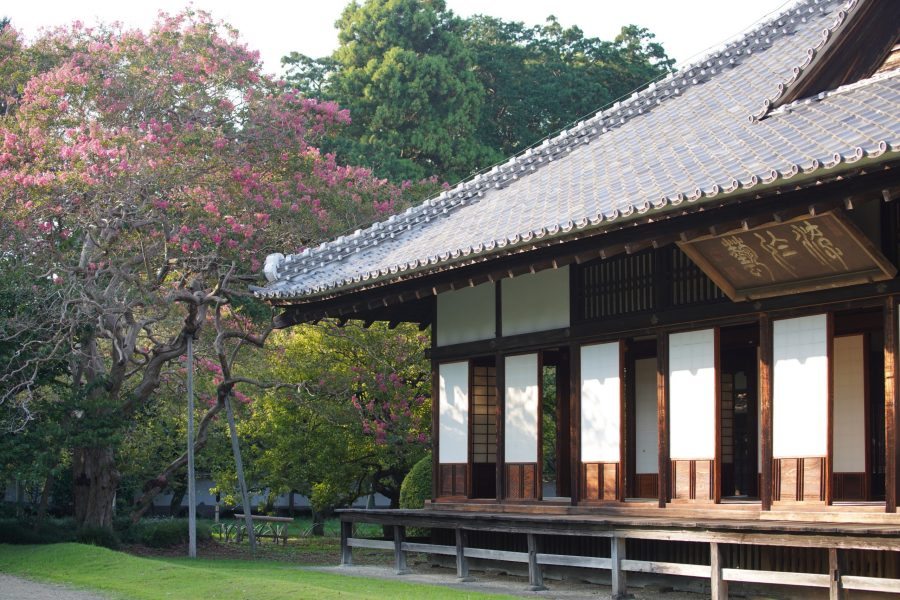
 Local Highlights
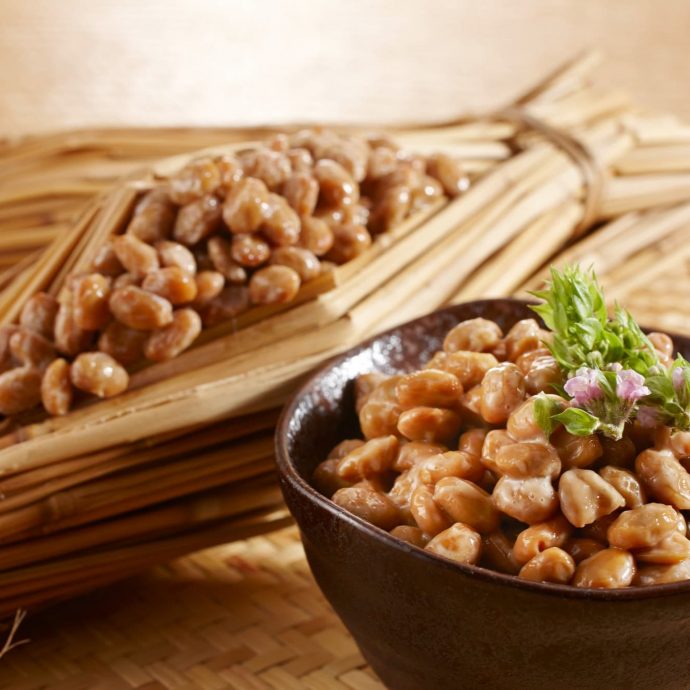
Mito’s most famous specialty is the pungent, tasty, and nutritious natto (fermented soybeans). Also try the local soba noodles and Komon cuisine. These are modern dishes recreated by local restaurants, inspired by the "food as medicine" philosophy of Mitsukuni, the second lord of the Mito Domain. For an enlightening cultural experience, take a Suifu paper lantern-making workshop.
Approx. 30 mins
1:30 p.m. - 4:30 p.m.
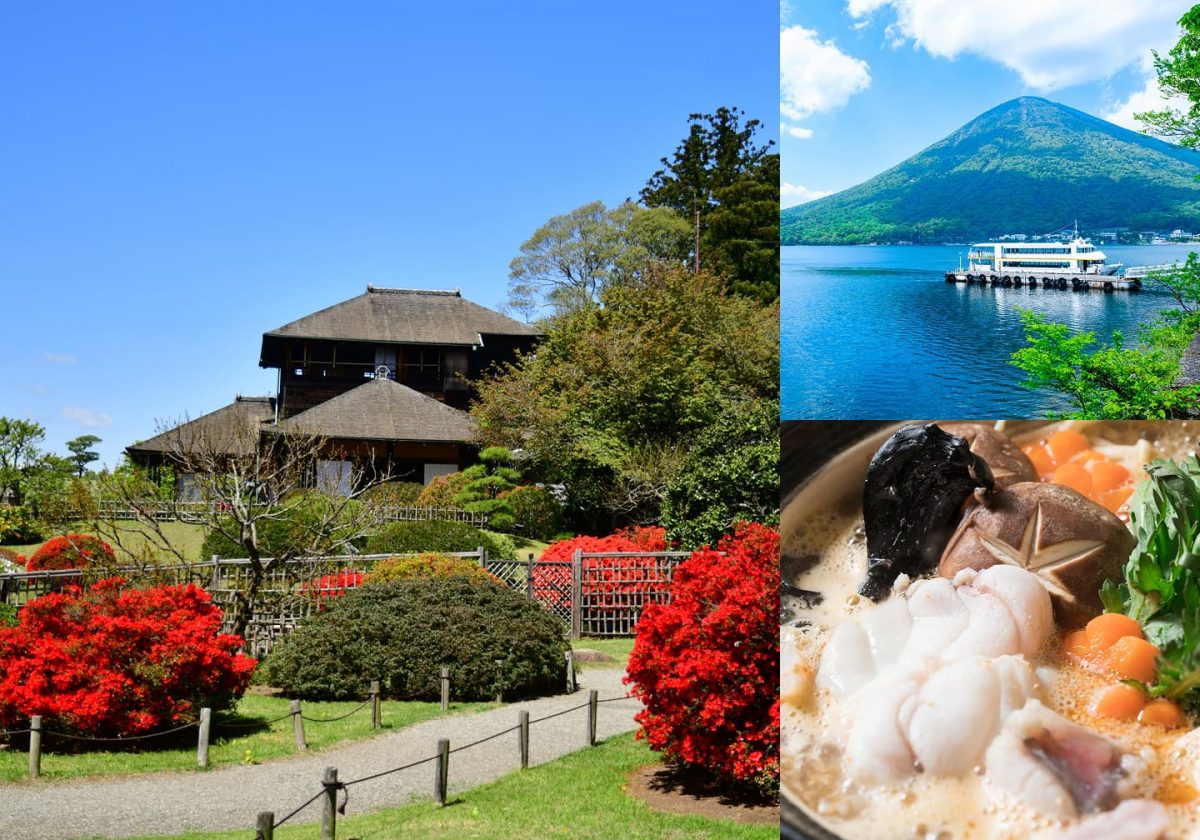
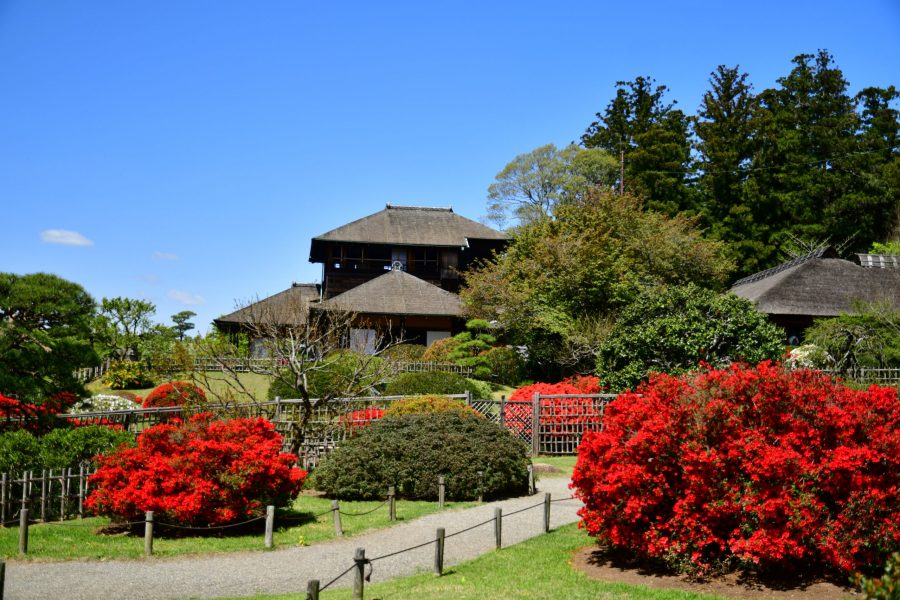
Kairaku-en was built by Mito lord Tokugawa Nariaki in the late Edo period and is considered one of Japan’s three top gardens. It’s especially famous for the 3,000 plum trees in over 100 varieties that wash the garden with color in late winter and early spring. As you stroll the grounds, look for Kobun-tei villa designed by Nariaki himself. Adjacent to the garden you’ll find Tokiwa Shrine where Nariaki is enshrined along with Tokugawa Mitsukuni.
 Local Highlights
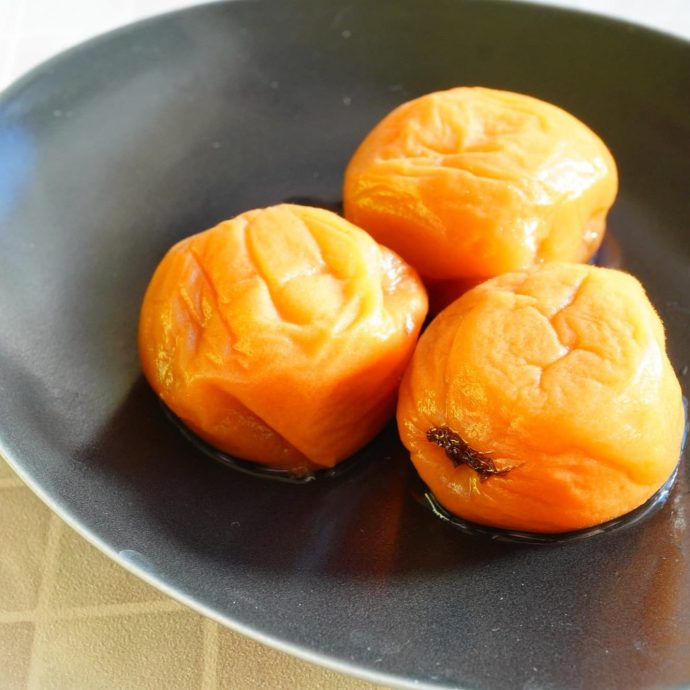
Tokugawa Nariaki encouraged the large-scale planting of plum trees not only for the beauty of their blossoms but also to make nutritious umeboshi (pickled plums). Deliciously sour and tangy, they are one of the hallmarks of Mito’s food culture.
Approx. 30 minutes
5 p.m.
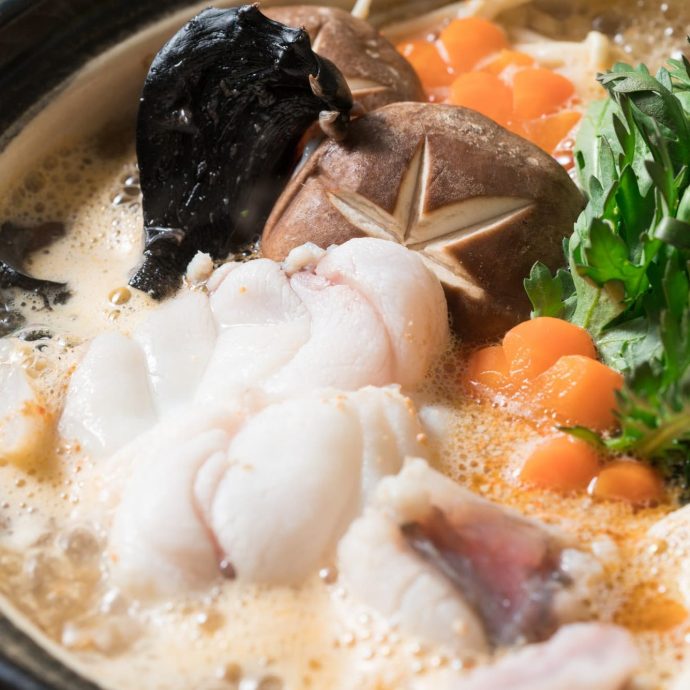
Local HighlightsCozy hotpot dishes are a quintessential Japanese comfort food. The regional version features monkfish, which became a popular food during the Edo period, and is just the thing to fill the belly after a day on the go.
Merchant Culture and the Way to Nikko
Explore the prosperous post town of Tochigi, then follow the grand path of shoguns to Nikko.
8:30 a.m.
Approx. 2 hours 15 minutes
10:45 a.m. - 2:30 p.m.
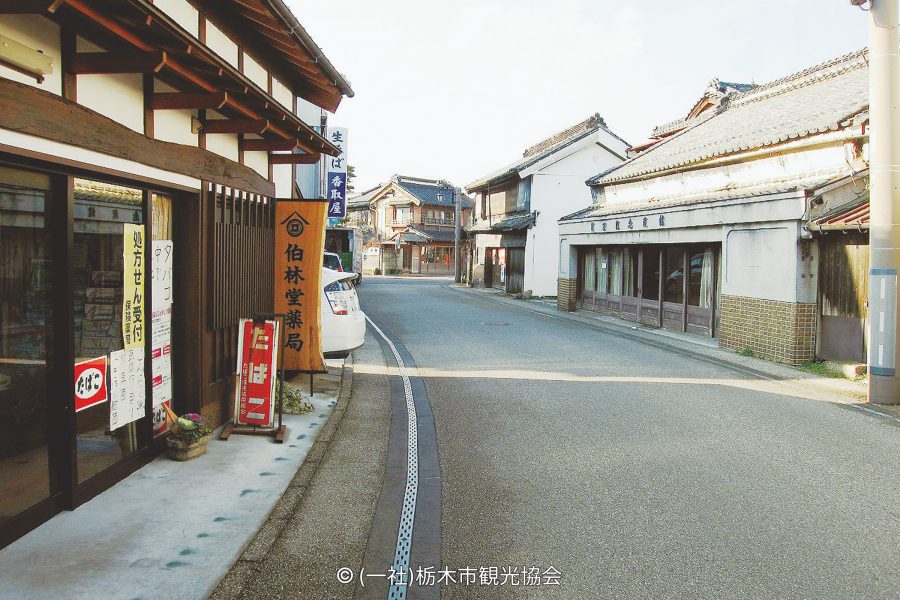
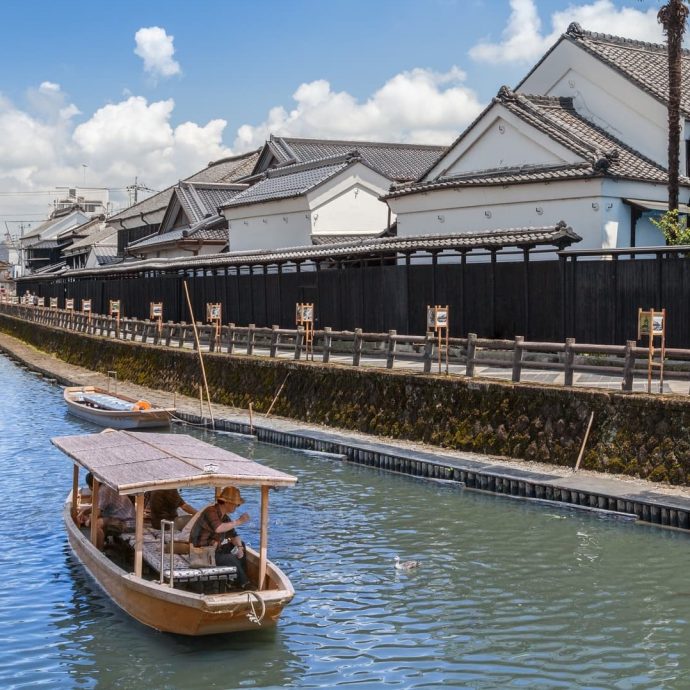
Tochigi prospered as a post town and trading hub along the Uzuma River. Many of its historic storehouses have been preserved in the Kura-no-Machi district for visitors to explore. Come in autumn to catch the famous Tochigi Float Festival, a colorful celebration that emerged from the wealthy mercantile sector.
 Local Highlights
Don’t miss “Tochigi Edo Cuisine”—dishes recreated from Edo period recipes, traditional local specialties and Edo-inspired food—served at various restaurants around the city. Once you’re full, why not sail through history with a pleasure cruise along the Uzuma River past the storehouse district and tree-lined riverbanks?
Approx. 1 hour 25 minutes
3:55 p.m. - 4:35 p.m.
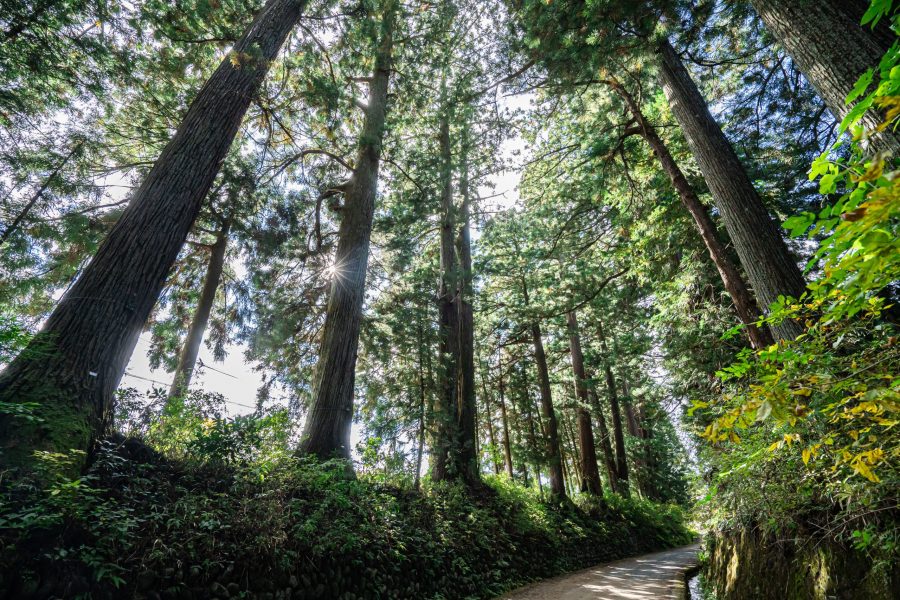
Nikko Cedar Avenue is a 37-kilometer tree-flanked road that runs along stretches of the Nikko Kaido (and two other Edo period roads). Today, it claims the mantle of the world’s longest tree-lined avenue. These giant cedars were first planted in the Edo period to build a majestic approach to Nikko Tosho-gu Shrine. An evergreen legacy of shogunate splendor, the immense trunks and lush foliage cast an almost other-worldly shade.
Approx. 35 minutes
5:10 p.m.
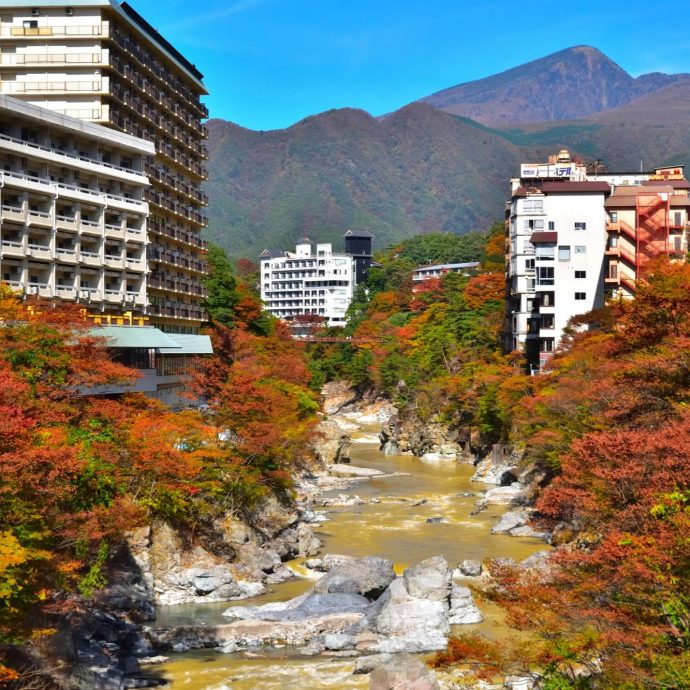
Local HighlightsNikko’s stunning shrines and temples may steal the spotlight, but the area is also home to some great onsen resorts such as Kinugawa Onsen where you can refresh body and spirit in the same warming waters as the feudal lords of the Edo Period.
Spiritual Destination
Your journey culminates in a visit to the grand monument to Ieyasu and an afternoon exploring some of the Nikko's other spiritual and natural treasures.
8:30 a.m.
Approx. 15 minutes
8:45 a.m. - 12 p.m.
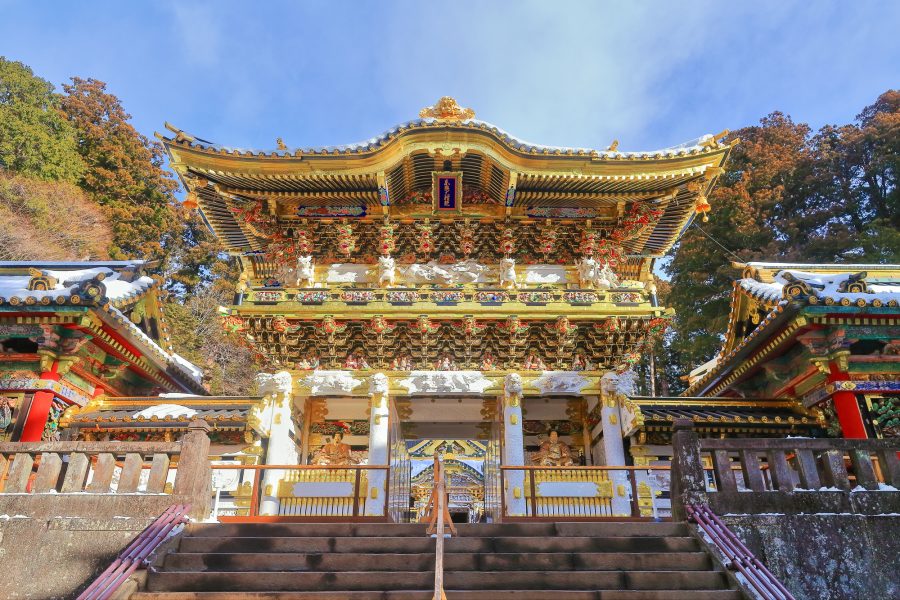
An opulent mausoleum to the first Tokugawa shogun, Ieyasu, Nikko Toshogu dazzles visitors with its lavish details and splendid carvings. Although the famed shrine is the main draw, there are also several other stately temples and shrines in the area with Tokugawa connections to explore. Rinno-ji Temple is the resting place of Tokugawa Iemitsu, the third shogun from the clan, while Nikko Futarasan Shrine boasts a worship hall and main shrine that were endowed by the second Tokugawa shogun, Hidetada.
 Local Highlights
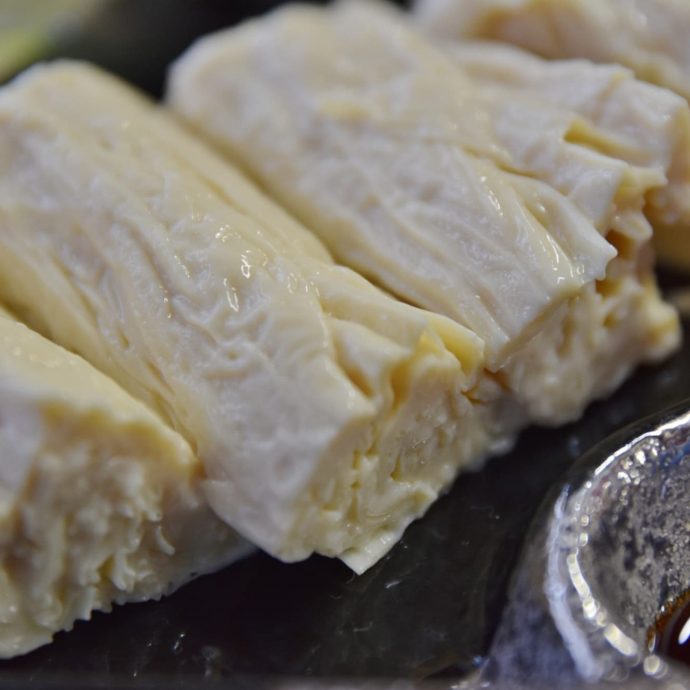
Yuba, an essential part of Nikko's food culture, is the thin membrane that forms on the surface of heated soy milk when it is lifted off. Its history is ancient, believed to have been introduced from China by Zen monks along with tofu. Throughout the city's restaurants, you can enjoy various dishes made with this yuba. You're sure to find a favorite.
Approx. 1 hour
1 p.m. - 4 p.m.
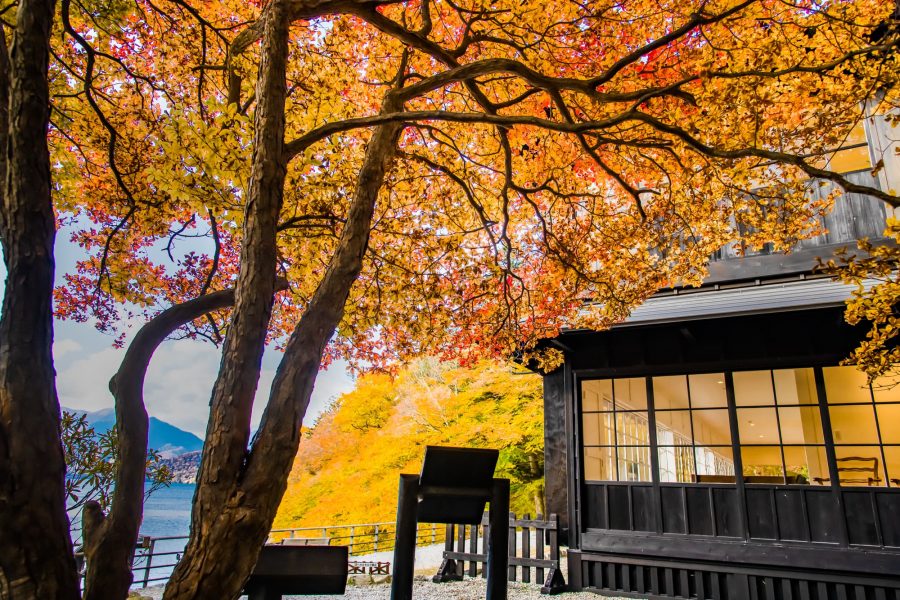
Wrap up your time in Nikko with an afternoon in the beautiful natural surrounds of Nikko National Park and Lake Chuzenji, Kegon Waterfall, and British Embassy Villa Memorial Park on the shores of the lake.
 Local Highlights
Sightseeing cruises will take you around the historical points of interest and scenic spots on Lake Chuzenji in comfort. The more adventurous may wish to paddle their way around the sites on a kayaking tour!

Approx. 3 hours 20 minutes
7:20 p.m.