An Adventure Through Snow Country Living and Mountain Faith
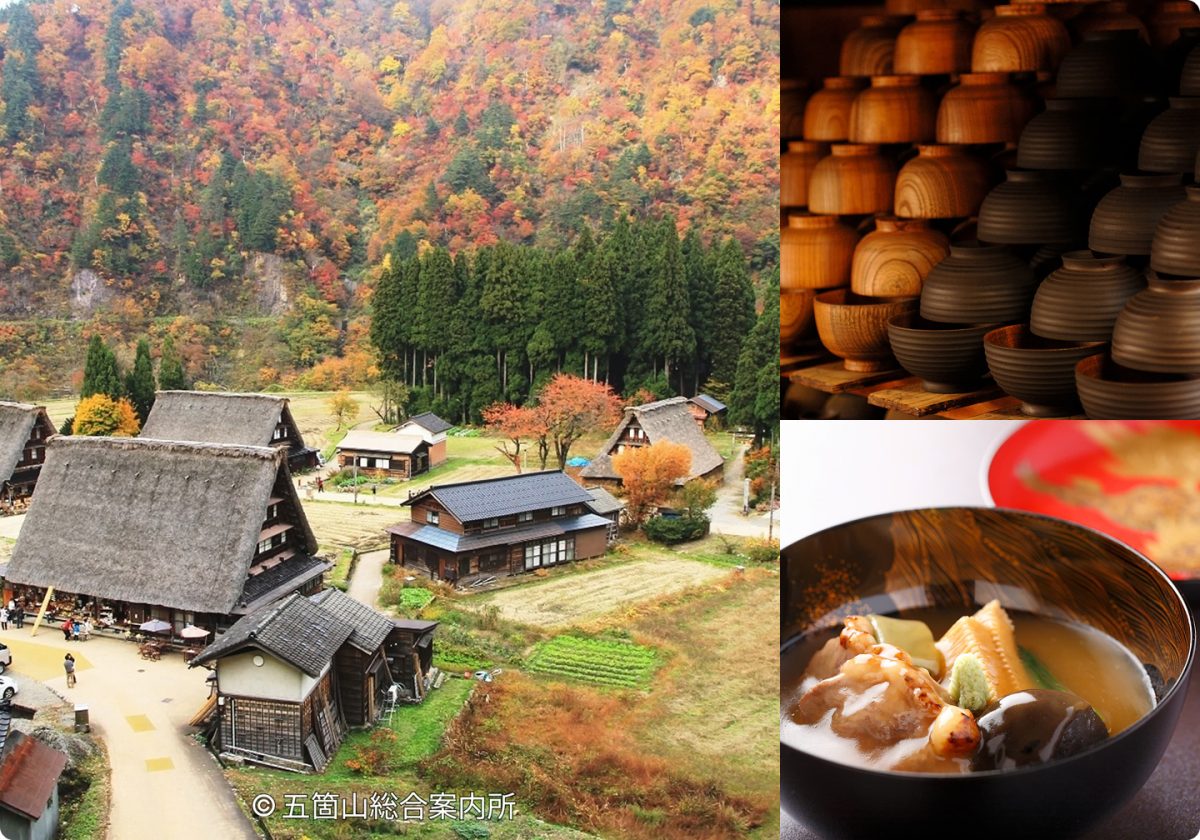
Hokuriku is defined by a rich tradition of handicrafts nurtured under the patronage of the Kaga Maeda clan and prosperous townspeople. These crafts, once a vital occupation for many during the long, snowbound winters, continue to be kept alive by artisans in pockets across the region. The region is also home to distinct architectural styles and traditional ways of life unique to snow country.
History
Explore a wealth of sites connected to the powerful clan that ruled the Kaga Domain

Culture
Experience a vibrant tradition of arts and crafts, savor the bounty brought by the Kitamae trading ships, relax in therapeutic hot springs, and discover the wisdom of life in snow country.

Food
The Hokuriku region, once traversed by Kitamaebune ships during the Edo period, retains a diverse culinary heritage. Its specialties include fresh seafood from the Sea of Japan, such as winter Echizen crab and Toyama Bay firefly squid. In Kanazawa, savor the refined elegance of Kaga cuisine. Finally, enjoy the simple, heartwarming dishes unique to the mountainous areas, like grilled fish and rich Gokayama tofu.

The Soul of a Seafaring Past
Begin your journey through the Kaga Domain at the Edo port town of Mikuni Minato, before dipping in the hot springs at Yamanaka Onsen to wash away the day’s fatigue.
8 a.m.
Approx. 4 hours 30 minutes
12:30 p.m. - 3 p.m.
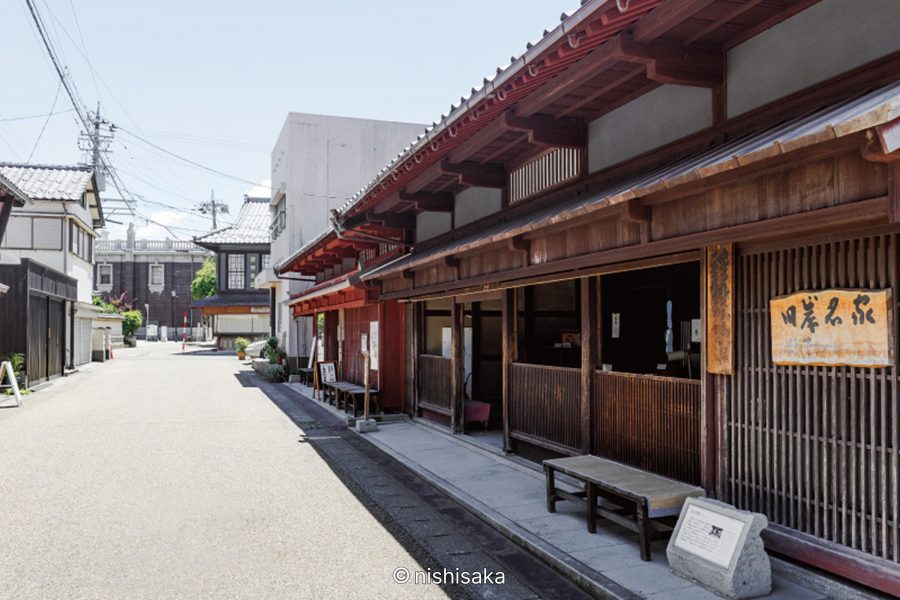
Mikuni Minato was a bustling port of call for Kitamaebune (“northern-bound ships”) on the maritime trading route between Osaka, Hokkaido, and the coast of the Sea of Japan. The wealth trade brought the town is evident in the old homes and buildings that remain today in the preserved streets of the old town. Don’t miss the former Kishina Residence, a timber merchant’s house that gives a fascinating insight into life and business in the late Edo period.
 Local Highlights
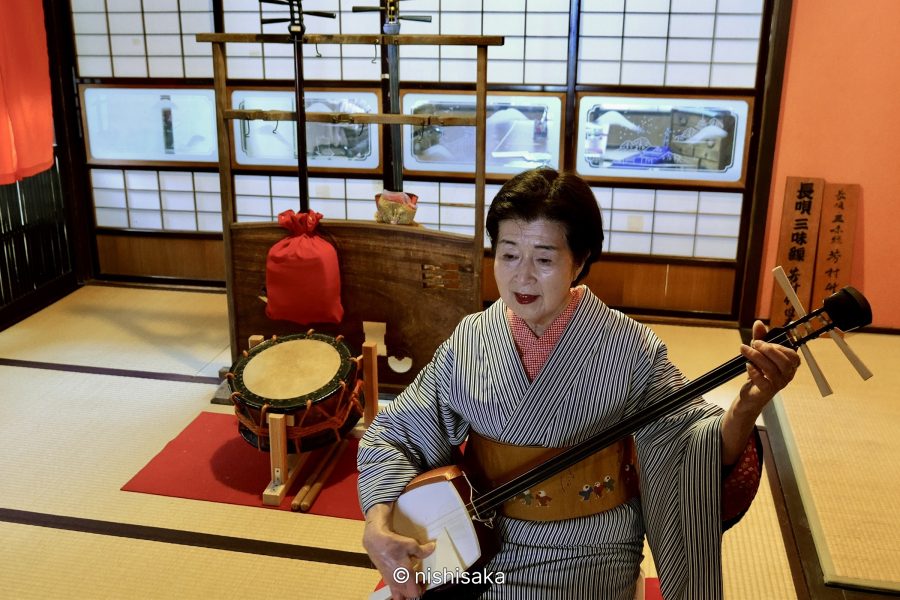
Mikuni Minato offers several kinds of cultural encounters. For the musically-inclined, be transported to bygone days by the sounds of the shamisen (a three-stringed instrument) and try playing one yourself. For the more artistic, craft and decorate your very own paper lantern to take home as a one-of-a-kind memento.
 Local Highlights
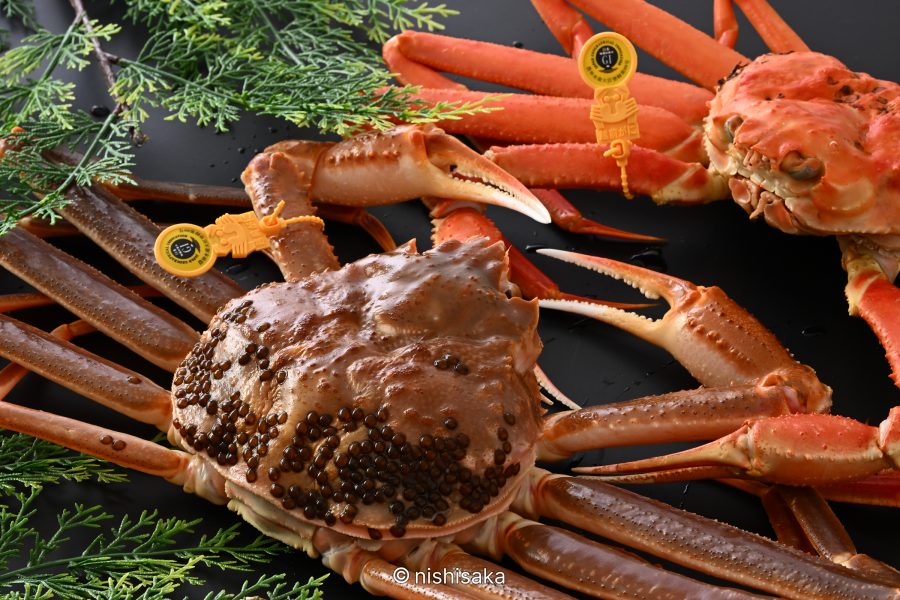
As a port town, Mikuni offers the best of the ocean’s bounty, so treat yourself to a lunch of freshly caught delights straight from the sea. In winter, don't miss the famed local specialty, Echizen crab.
Approx. 1 hour
4 p.m.
Approx. 1 hour 30 minutes
5:30 p.m. onwards
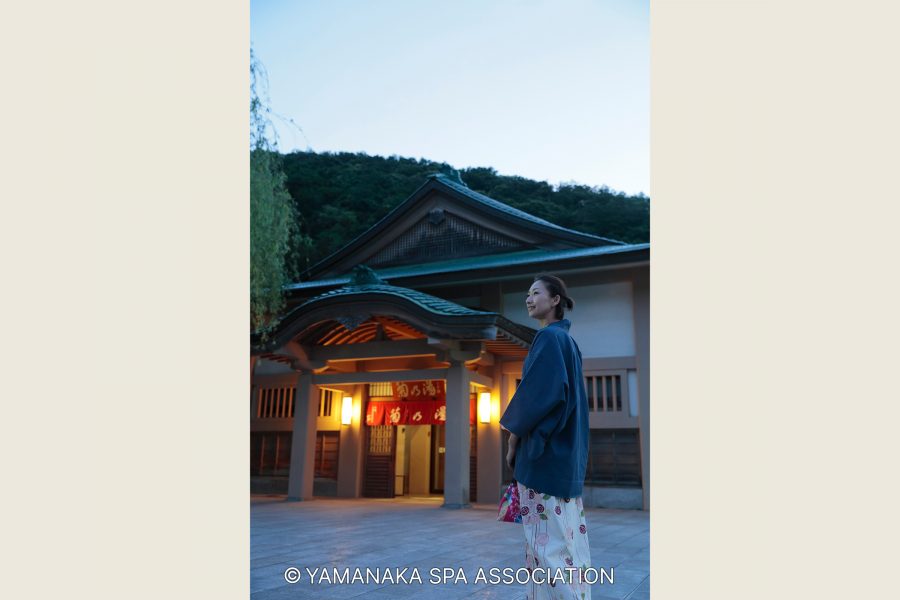
The hot springs of Yamanaka Onsen have been a popular destination for weary travelers and sailors for some 1300 years—even the Edo period poet Matsuo Basho is said to have lauded the therapeutic waters. Nestled in beautiful natural surroundings along the picturesque Kakusenkei Gorge, the town charms visitors with its quaint historic streets and Edo period atmosphere and boasts a considerable legacy of craft and culture to explore. After a refreshing soak, head to one of the many traditional ryokans in the area to rest up for tomorrow.
Soothing Waters and Crafts From the Kiln
Take a relaxing walk along Kakusenkei Gorge and visit and experience crafts pursued by the people of Hokuriku through the winters. After that, you'll visit a town keeping the region's famous ceramic tradition alive. Finally, savor the tantalizing cuisine of the Kaga domain around Kanazawa station before heading to your accommodation for the night.
9:30 a.m. - 12:30 p.m.
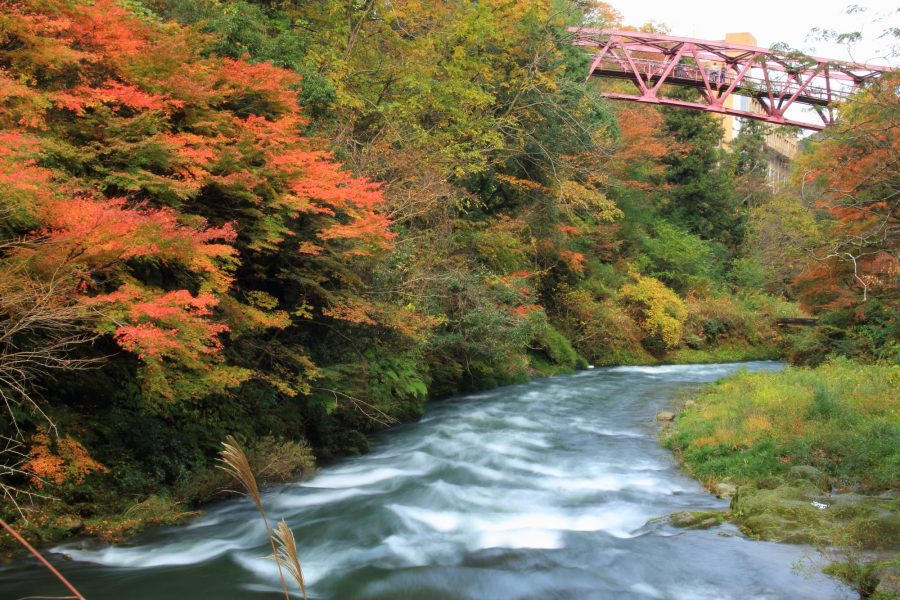
Spend the morning exploring the stunning natural beauty surrounding Yamanaka Onsen. Wander along the scenic paths beside Kakusenkei Gorge, where waterfalls, rock formations, and historic bridges create a picture-perfect setting. Just a few minutes’ walk from the town center is Basho no Yakata, a beautifully preserved traditional building honoring Matsuo Basho’s visit and the haiku he composed here.
 Local Highlights
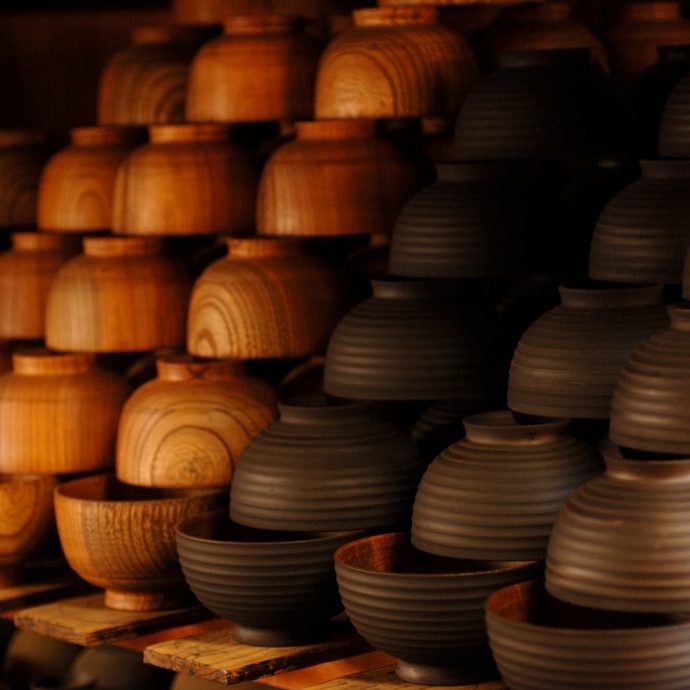
As a lively center of traditional arts, Yamanaka Onsen offers a wealth of hands-on workshops that bring centuries-old skills to life. Try your hand at decorating the town’s renowned lacquerware, shaping pottery on the wheel, or exploring a variety of other craft experiences available.
Approx. 30 minutes
1 p.m. - 4 p.m.
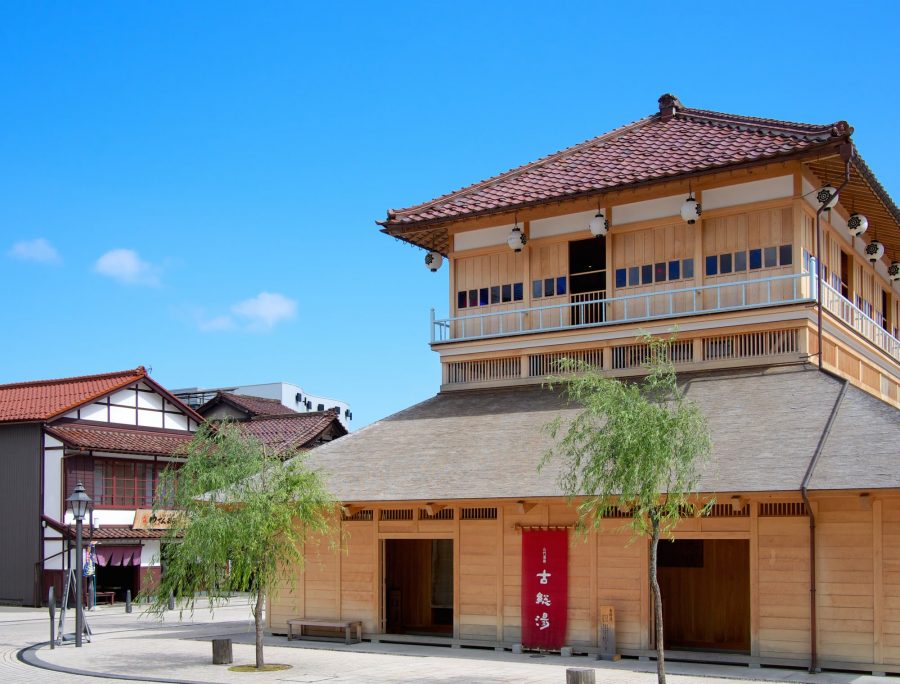
After lunch, make your way to Yamashiro Onsen, a nearby hot spring town that, like Yamanaka, has eased travelers’ aches and pains for over 1,300 years. Here you’ll find splendid communal bath houses dating back to the Meiji period that showcase the local traditional onsen culture.
 Local Highlights
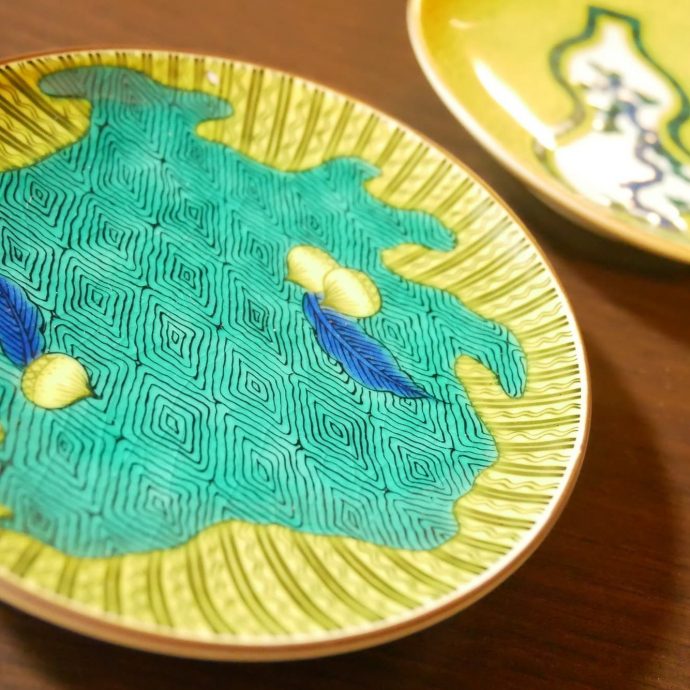
Pick up a ceramic creation at one of the traditional Kutani-yaki kilns, or indulge your inner artist with a pottery painting experience.
Approx. 30 minutes
4:30 p.m.
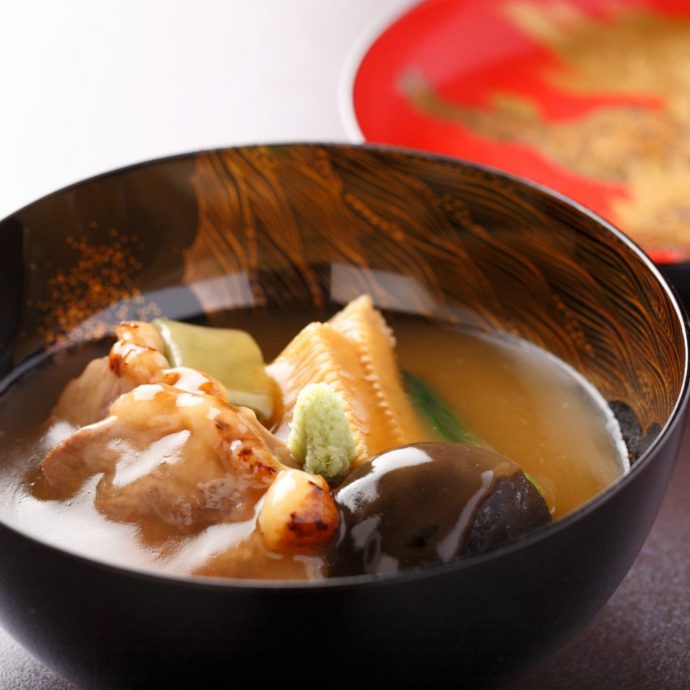
Local HighlightsDinner in central Kanazawa. It's the perfect place to savor Kaga cuisine. Kaga cuisine is a refined culinary culture that abundantly uses the bounty of the mountains and sea, delicately expressing the changing seasons. You'll see each dish, artfully arranged on carefully selected tableware, resembling a work of art.
Experience Life in the Kaga Domain
Spend the day immersed in the splendor of Kaga Domain culture. Samurai quarters and geisha houses bring the prosperous heyday of the Edo period in Kanazawa to life.
9 a.m. - 1 p.m.
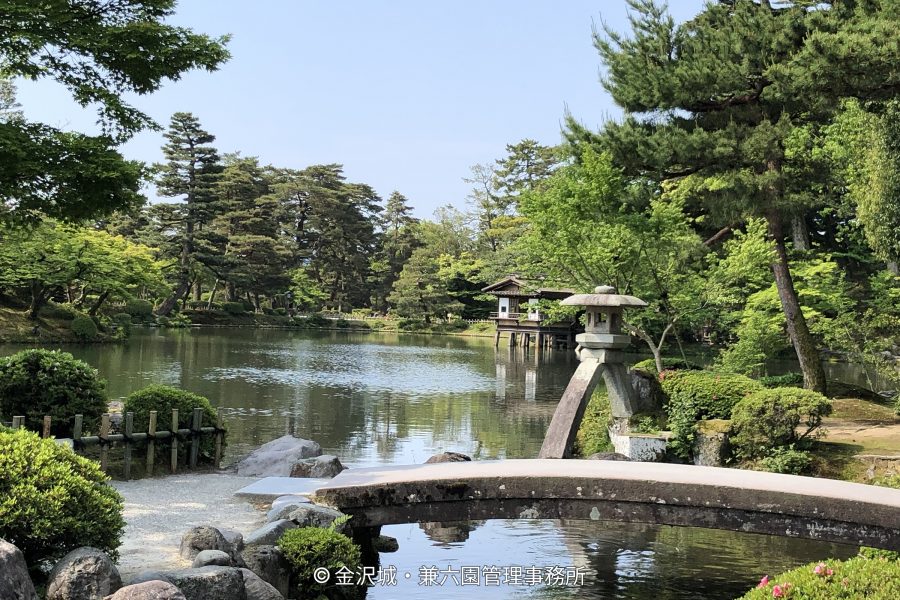
Kanazawa is steeped in the legacy of the Kaga Domain. Wander through the picturesque Kenroku-en Garden, once the daimyo garden of the Maeda clan and now one of Japan’s most celebrated landscapes, then head across the street to Kanazawa Castle, the former seat of Kaga Domain lords. Nearby, you’ll find the Nagamachi Samurai District where higher-ranking samurai of the domain and their families lived. The beautifully preserved narrow streets and residences paint a striking portrait of the warrior class in the Edo period.
 Local Highlights
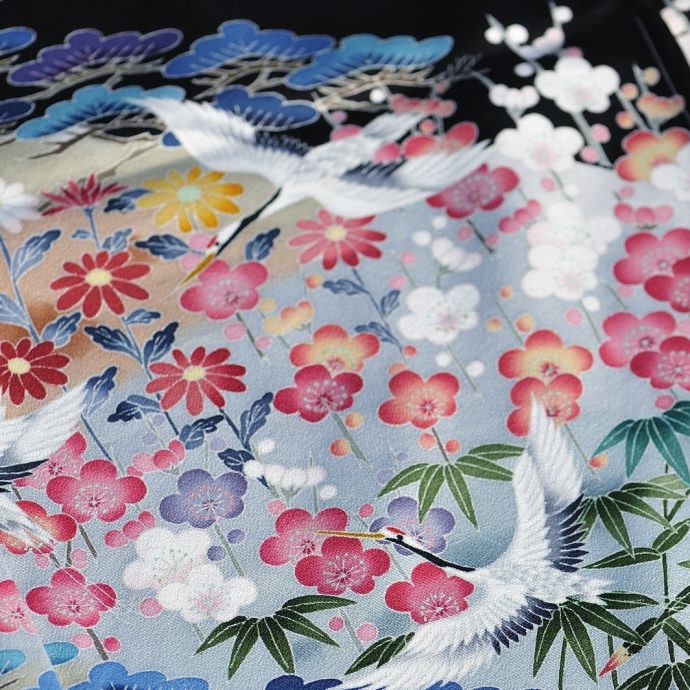
Look out for special local varieties of vegetables known as Kaga Yasai, which were developed to withstand the region’s harsh winters and humid summers. For a sense of Kaga domain opulence, try a Kaga Yuzen dyeing experience or a gold leaf application workshop.
Approx. 30 minutes
1:30 p.m. - 5 p.m.
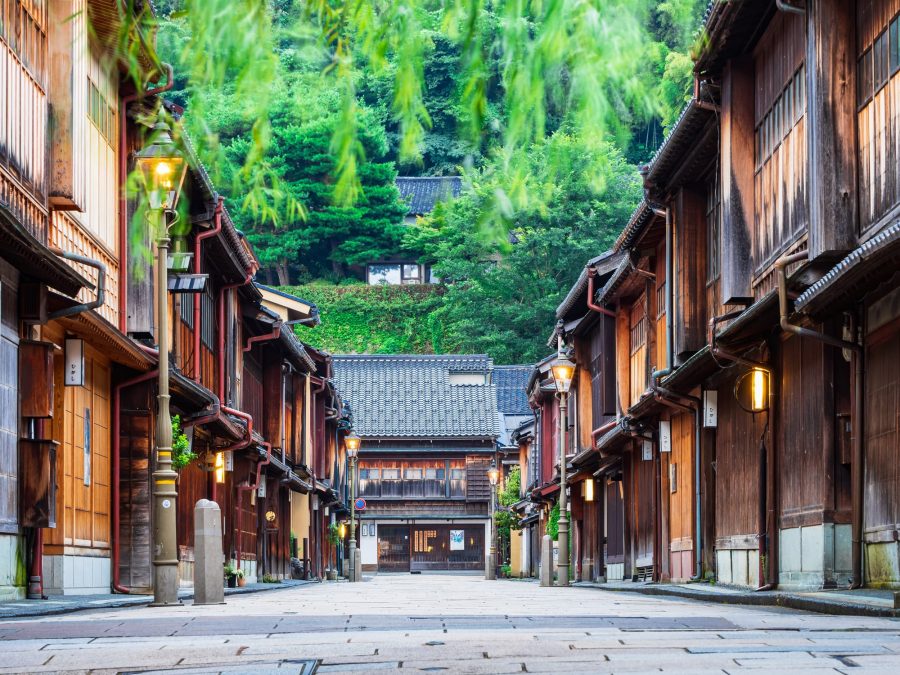
During the Edo period, the teahouses scattered throughout Kanazawa were consolidated into districts such as Higashi Chaya District and Nishi Chaya District. Among these, Higashi Chaya District, with its cobblestone alleys and beautiful teahouses featuring latticework windows lining the streets, still conveys how this area was once a vibrant social hub for townspeople and merchants.
 Local Highlights
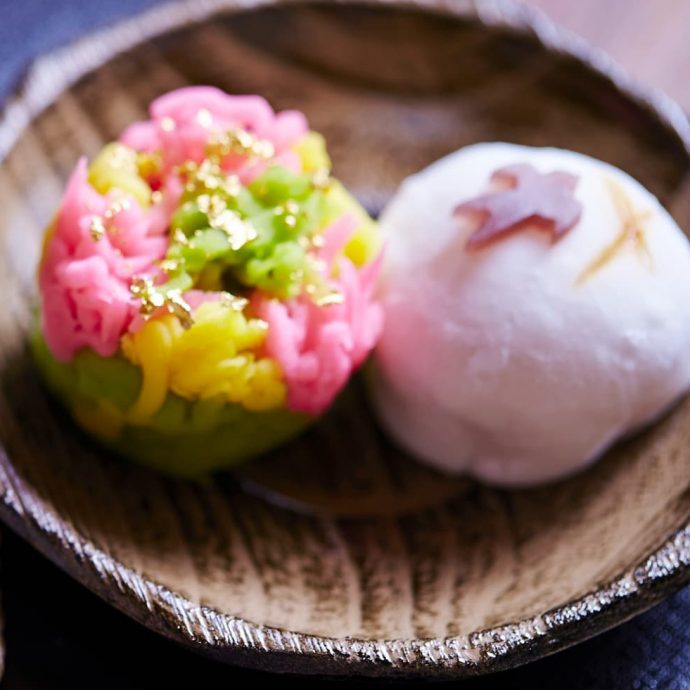
Several buildings in Higashi Chaya have been transformed into cafés where visitors can try some of the traditional local sweets. For an authentic experience in the culture of the district, you can also enjoy playful parlor games with geisha.
Approx. 1 hour 10 minutes
6:10 p.m.
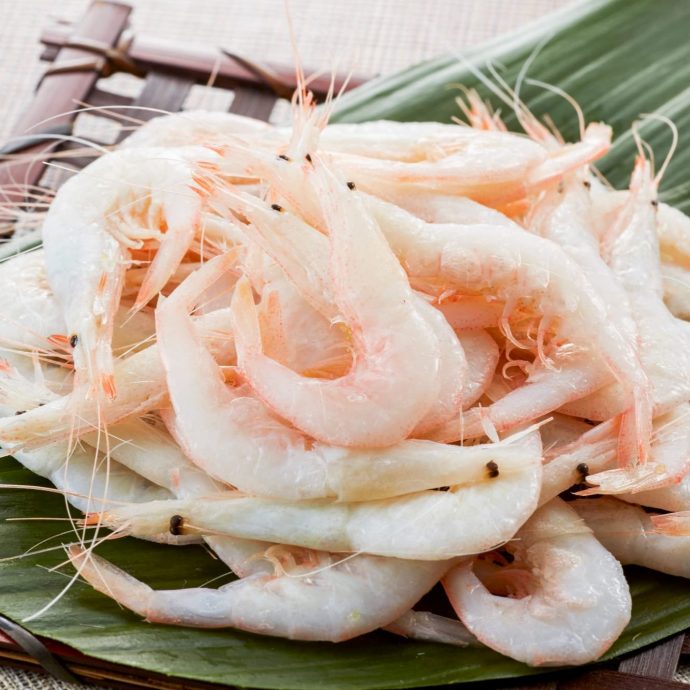
Local HighlightsToyama Bay has been dubbed a “natural fish tank” for the huge variety of seafood it yields. You tastebuds will thank you for sampling the mouthwatering local catches such as firefly squid, white shrimp, and winter yellowtail.
The Heartbeat of a World Heritage Village
Begin your final day by stepping into a living piece of history at the UNESCO World Heritage village of Gokayama. Deep in the mountains, you'll discover iconic thatched-roof farmhouses, architectural marvels from the Edo period where life continues much as it has for centuries. From this serene village you'll journey to the city of Takaoka to explore the artisan districts of Kanaya-machi and Yamacho-suji. Finally, immerse yourself in the region's celebrated metalworking industry before your final departure to Tokyo.
8:10 a.m.
Approx. 1 hour 20 minutes
9:30 a.m. - 12:30 p.m.
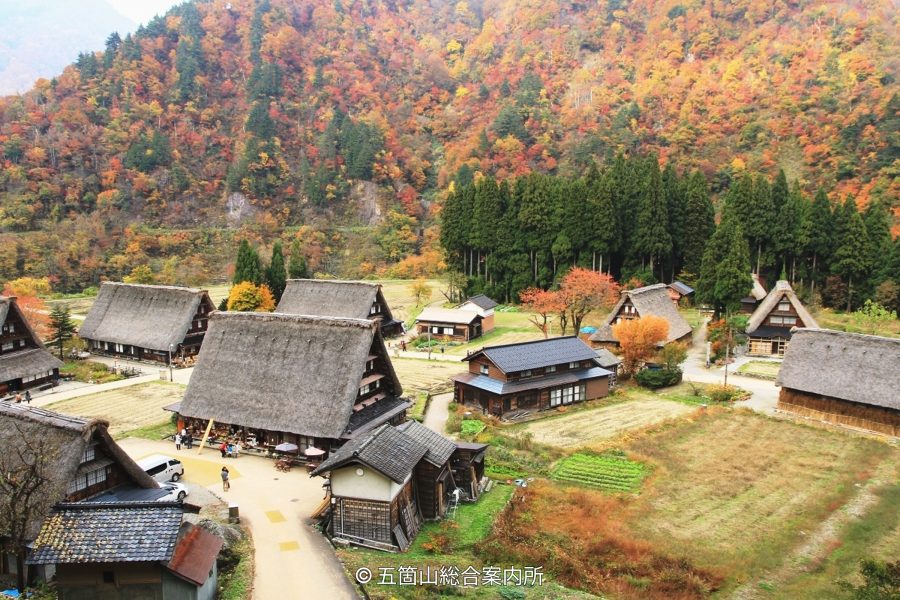
Set deep in the mountains of Toyama, Gokayama is home to Ainokura and Suganuma, two idyllic villages that form part of a UNESCO World Heritage Site. The villages are renowned for their steeply thatched gassho-zukuri farmhouses designed to weather heavy snowfall. Many of these houses date back to the Edo period and are still lived in, yet it’s easy to feel as though time has stood still. With isolation having kept the old ways alive, Gokayama offers a unique, living glance into rural Edo period life.
 Local Highlights
If you're hungry, try rustic local specialties like dense Gokayama tofu and salt-grilled freshwater fish. The villages also offer workshops in traditional crafts like washi paper-making, one of the area's traditional winter industries.
Approx. 1 hour 45 minutes
2:15 p.m. - 4:30 p.m.
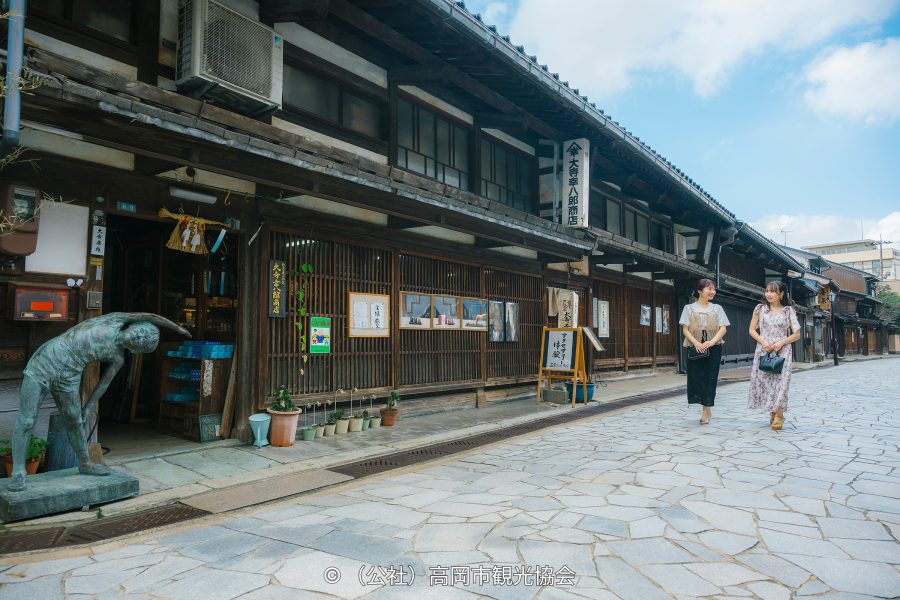
Kanaya-machi and Yamacho-suji districts were integral in forging Takaoka’s commercial and artisanal identity. Kanaya-machi began as a center for metal-casting, which subsequently developed into the copper industry the city continues to be known for today, while Yamacho-suji was a merchant quarter. The charming laneways lined with beautifully preserved homes and storehouses give a real sense of the prosperity of former times.
 Local Highlights
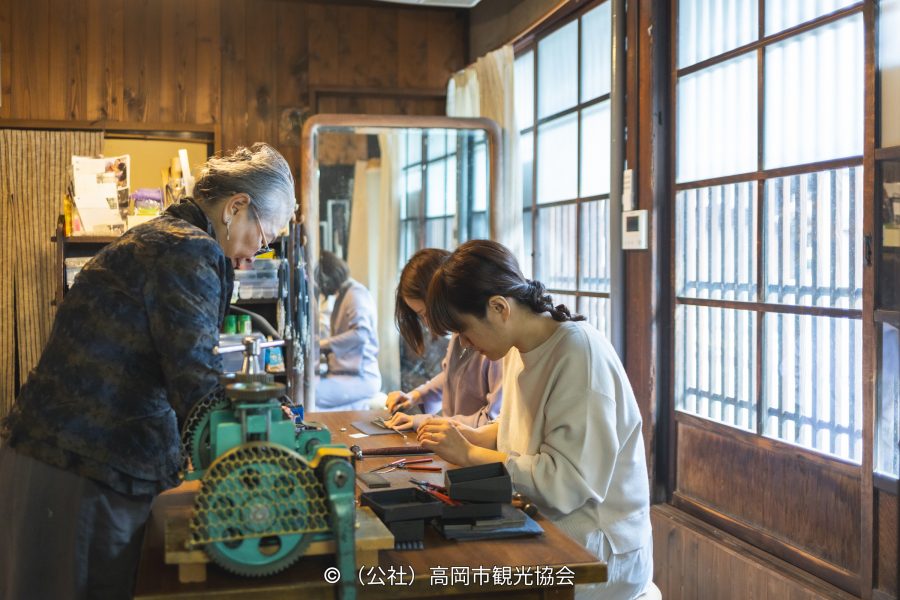
Metal crafting, particularly tin, has a rich tradition in Takaoka that dates back some 400 years. Visitors can engage in the craft at workshops in the town, where they are guided through the process of making a tin accessory or homeware item—a unique memento of your journey!
Approx. 1 hour 45 minutes
5:15 p.m.
Approx. 2 hours 45 minutes
8 p.m.