EDO TO TOKYO: Festival Spirit Across Time
1. Edo was a “City of Festivals” – The Social Engine that Bound Together a City of One Million
In modern Tokyo, the sight of a portable mikoshi shrine making its way through the canyons of skyscrapers connects us to the pulse of Edo, in a rhythm that’s continued for 400 years. Edo grew rapidly as people and goods from across the country poured into the city, and by the early 18th century, it was a metropolis of about one million people. To keep such a rapidly expanding city functioning smoothly, inhabitants who might be strangers to one another needed a shared system of rules and signals. Festivals played a crucial role here: each neighborhood took on responsibilities, welcomed the gods (kami), and paraded in unison to the same rhythm.
Festivals were not only occasions for prayer, but also for reaffirming community norms, connecting generations, and passing on skills and pride. Seasonal rituals linked streets and created excitement, and that energy could then be safely managed. In this way, festivals functioned as the “social engine” of the city, driving the dynamism of Edo and continuing to propel the city.
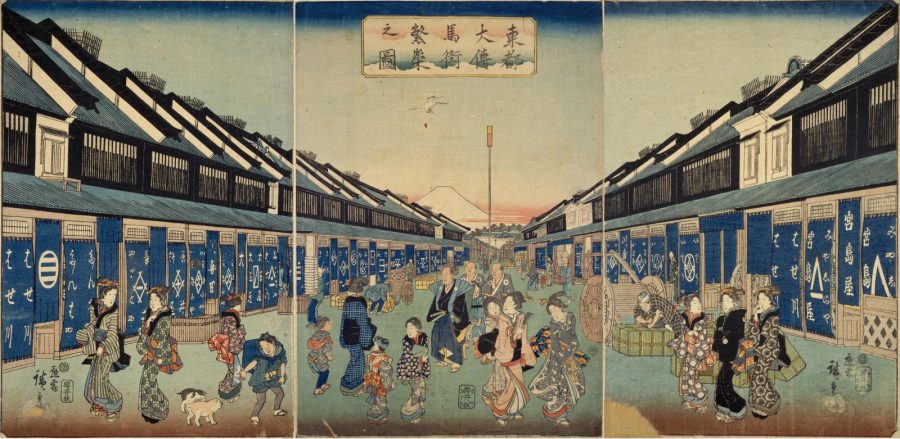
Utagawa Hiroshige 《View of Prosperity on Odenmacho in the Eastern Capital》
2. The Festivals of Edo, Still Going Strong Today: These are Tokyo’s Festivals!
Many festivals born during the Edo period continue on in vibrant tradition to this day, more than 400 years later.
Kanda-matsuri Festival(Kanda Myojin Shrine / May)
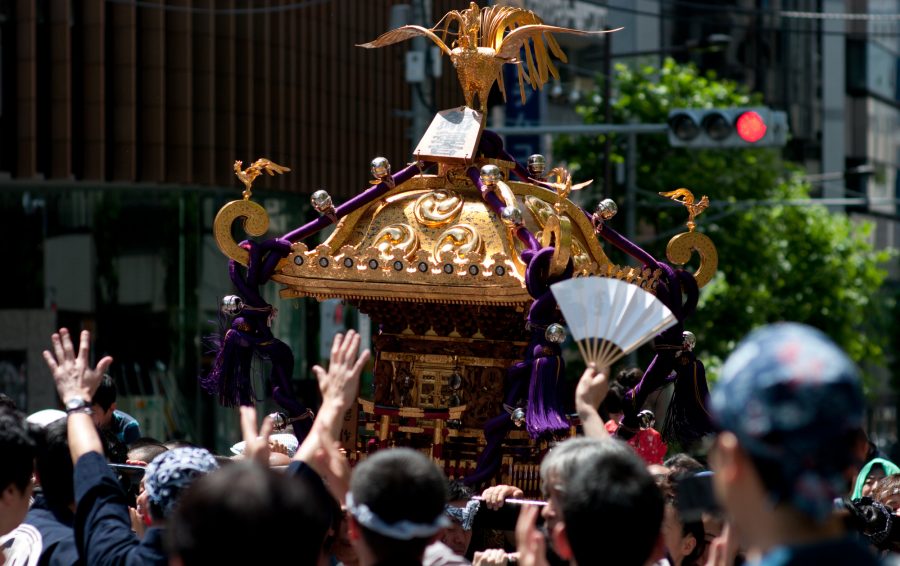
Kanda-matsuri Festival (Tokyo)
The grand festival for this event is held every two years, and features portable shrines and processions that parade through the Kanda, Nihonbashi, Otemachi, and Marunouchi neighborhoods. During the Edo period, the Kanda Festival was known as a “Tenka Festival” (a “festival of the realm,” with national importance), and to this day it’s a prime example of a Japanese festival that’s preserved the prestige it held in the Edo period.
Sanno Festival (Hie Shrine / June)
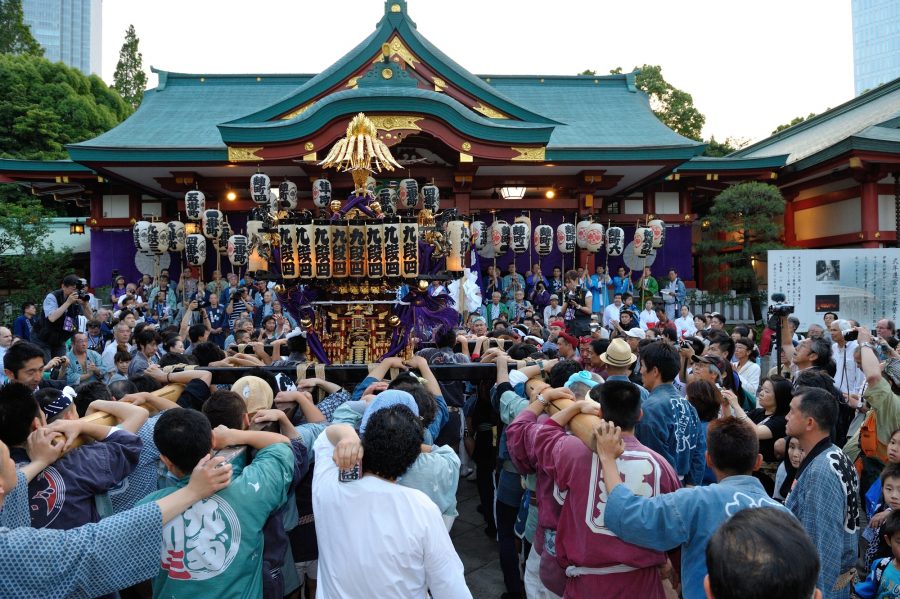
Sanno Festival (Tokyo)
Every other year, this festival’s shinkosai procession makes its way solemnly through central Tokyo districts like Marunouchi and Nihonbashi. Historically, it held the distinction of being viewed by the shogun and, along with the Kanda Festival, was known as a “Tenka Festival” as well.
Fukagawa Hachiman Festival (Tomioka Hachiman Shrine / August)
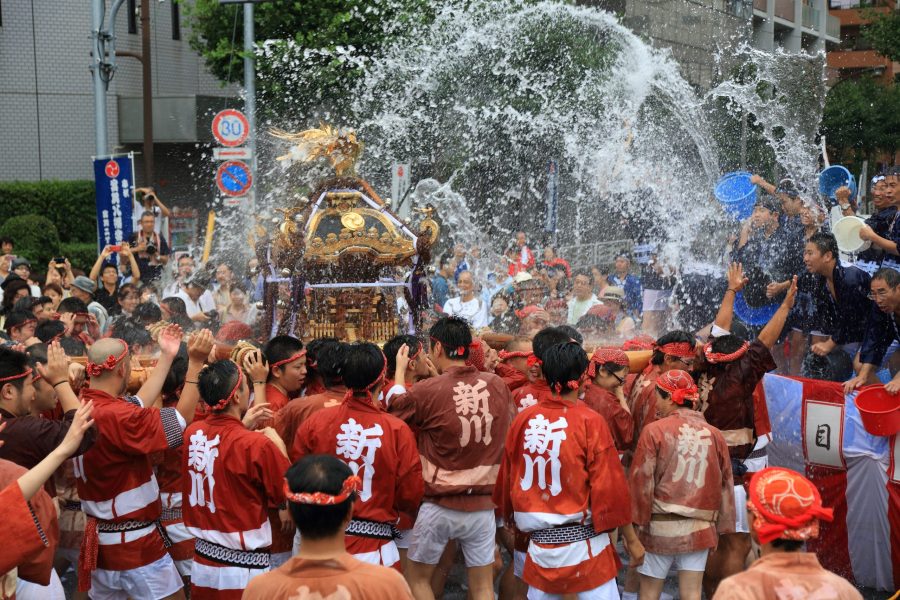
Fukagawa Hachiman Festival (Tokyo)
This summer festival is famous for its mizukake (“water-throwing”) ritual, in which participants are doused with water. Together with the Kanda and Sanno festivals, Fukugawa Hachiman is considered one of Edo’s Three Great Festivals, with great crowds from the various neighborhood associations enlivening the downtown area.
Sanja Matsuri (Asakusa Shrine / 3rd weekend of May)
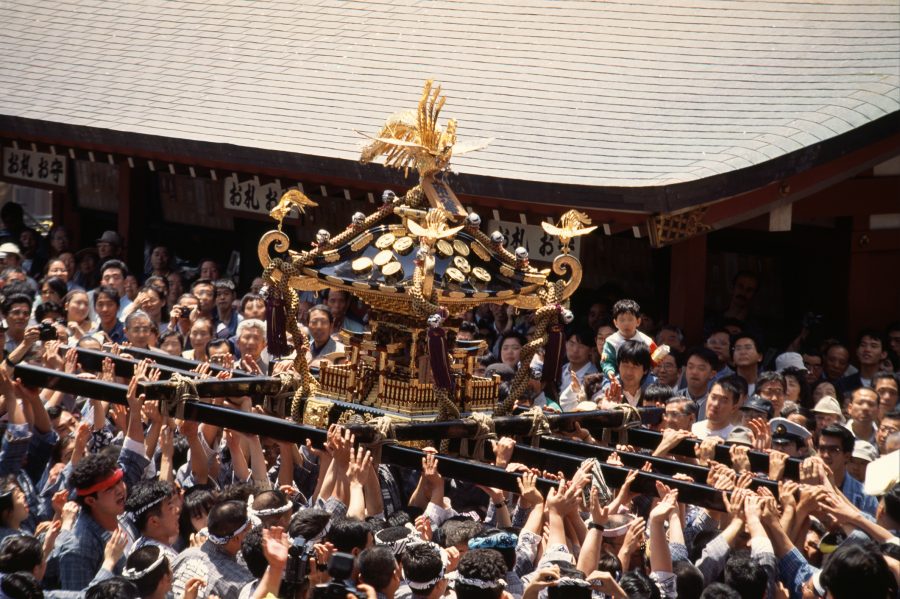
Sanja Festival (Tokyo)
This is one of Tokyo’s most representative and vibrant festivals, with portable shrines from Asakusa’s neighborhood associations moving dynamically from Kaminari-mon Gate to the back alleys. The festival as we know it today took form in the Edo period, and today it’s known around the world.
These four festivals share deftly planned routes through densely populated urban areas, cooperation between the local neighborhood associations, and an aesthetic of coordinated movement centered around their floats and shrines. Even now, Tokyo’s festivals vividly reflect the wise practices of urban management and community strength that originally cultivated in the Edo period.
3. Moving Works of Art & Competition Between Neighborhoods: A Solidarity Created by Pride in Every Detail
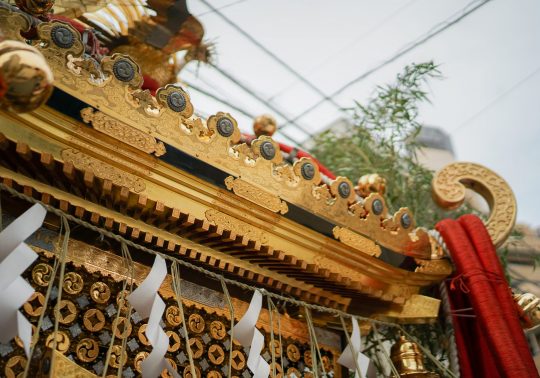
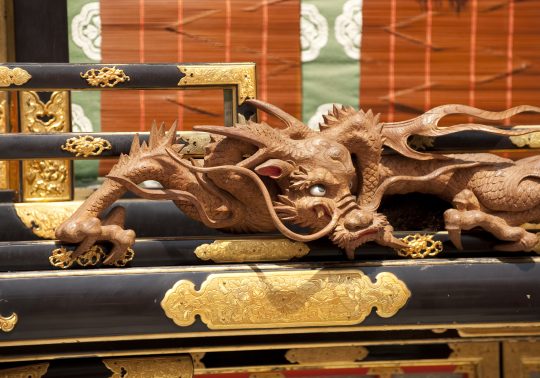
The portable shrines and floats used in these festivals are moving works of art and craftsmanship, the result of artful wood carving, metalwork (for the decorative metal fittings), lacquerwork, and embroidery. Neighborhoods donate funds to procure the best materials and master artisans’ skills, and maintain the equipment as it is passed down. Details like carved phoenixes (symbolizing protection and rebirth), gleaming gold decorative fittings, and the patterns on banners dyed with town names and family crests all come to form the very face of the community, bringing out a sense of pride and unity with every movement.
At the same time, competition between neighborhoods is a huge driving force in these festivals. The more they refine their matching happi coats and lanterns, the precision of the festival music, and the spacing of the procession, the better they can organize, stay aware of safety, and lead. A system develops in which responsibilities are passed from younger members to veterans, and this kind of cooperation even contributes to mutually supportive relationships in everyday life. The intricate craftsmanship of the tools (skill) and the coordination on the day (competition) function as twin wheels, enabling the festival to serve as a unifying force for the town.
-

- Gold decorations on the portable shrine
-
- Carvings on the portable shrine
4. Passing Down Pride: From Edo to the Rest of Japan
The festival programs and collaborative practices honed during the Edo period have since been adapted to the local customs and histories of different regions. Transforming as they go, they’ve been passed down as the diverse festivals we see today. Centered on prayer and community strength, these cultural practices continue to give shape to people’s hopes across Japan. To give one example…
Kishiwada Danjiri Festival (Kishiwada, Osaka Prefecture)
Danjiri are wooden floats equipped with wheels and adorned with elaborate carvings. The highlight of this festival is the yarimawashi, during which the roughly 4 ton wooden floats are swiftly turned at right angles. It’s stunning to experience the perfectly coordinated teamwork of the young men manning the floats, the assistants – and the carpentry. The festival, held in September, is said to have originated in 1703.
Kawagoe Festival (Kawagoe, Saitama Prefecture)
The Kawagoe Festival is a celebration that has evolved over time, integrating elements from Edo’s Sanno Festival and Kanda Festival. The Dashi floats, reminiscent of the Edo Tenka Festival, are the festival’s centerpiece. It was added to the UNESCO Intangible Cultural Heritage list in 2016.
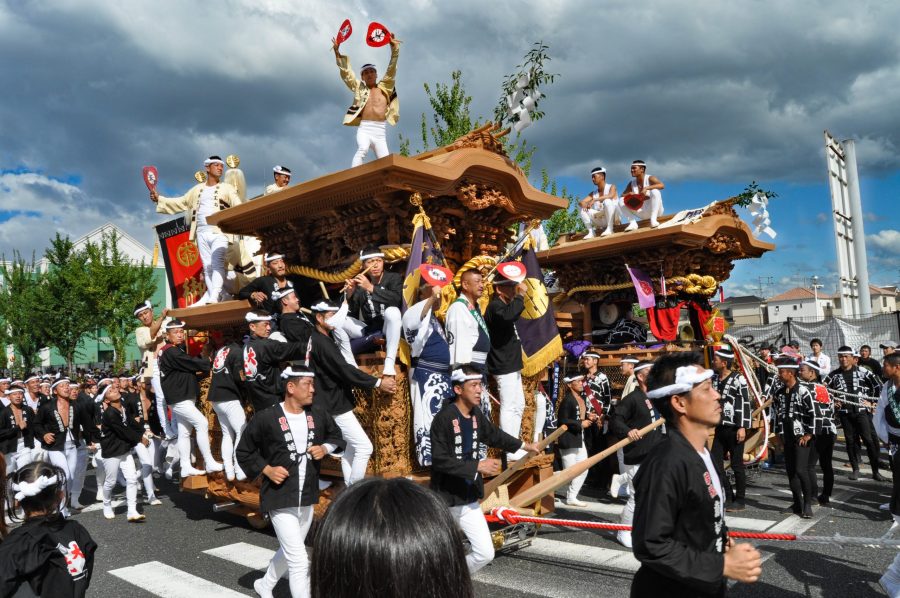
Kishiwada Danjiri Festival (Osaka Prefecture)
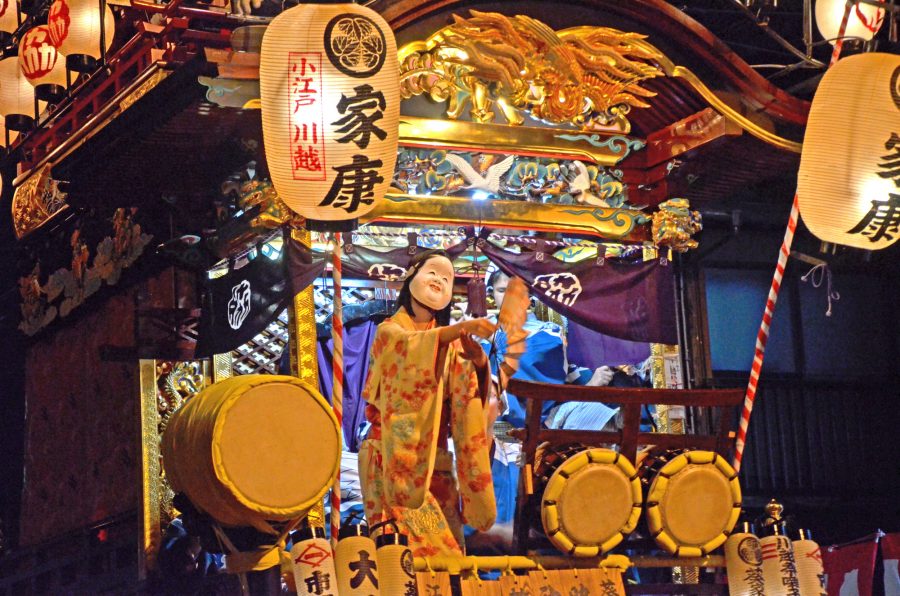
Kawagoe Festival (Saitama Prefecture)
5. Festivals are the Soul of Japan
The festival culture that spread from Edo to the rest of Japan has transformed itself in different regions, but it continues to bring people together, bring pride, and maintain the bonds that connect across generations. Festivals are not mere traditions; they represent the power of community in Japan, a driving force of shared energy that propels cities and regions.
That driving rhythm still beats on in modern-day Tokyo, and is faithfully passed on across Japan.
Making sure that you respect local customs, we encourage you to go out and experience this vibrant energy for yourself.
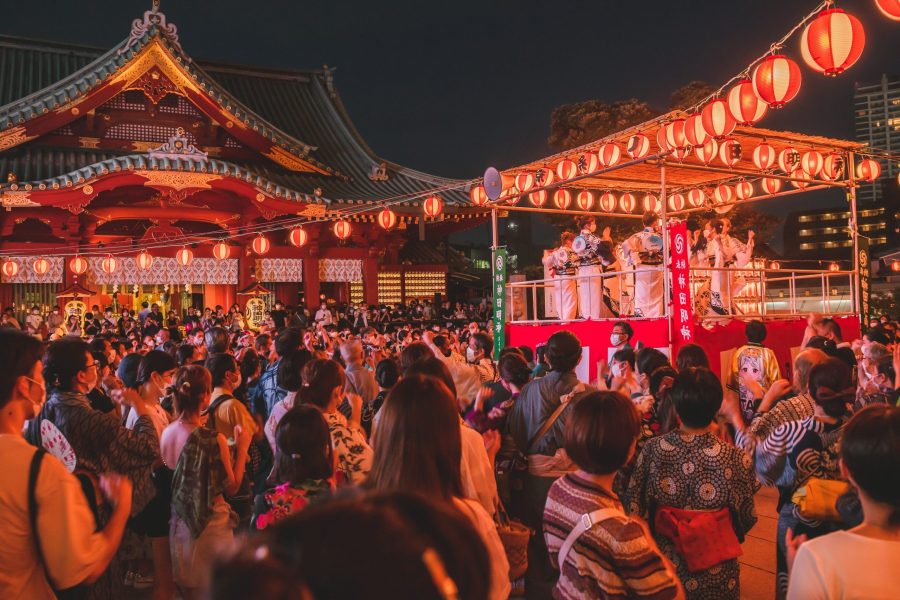
The Kanda Festival at Night (Tokyo)
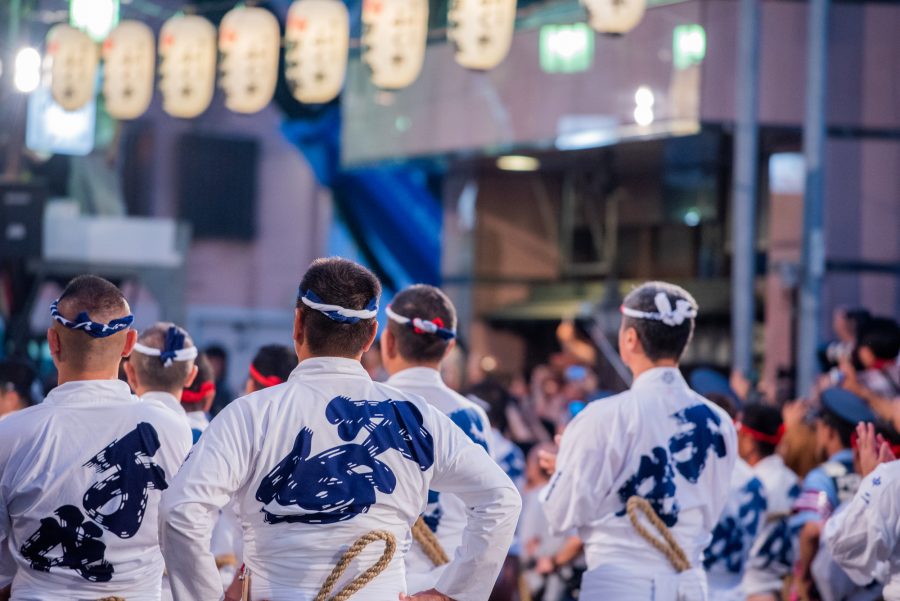
Hakata Gion Yamakasa Festival (Fukuoka Prefecture)
Travel Guide
| Spot |
Prefecture
|
|---|---|
| Kanda-matsuri Festival | Tokyo |
| Sanno Festival, Tokyo | Tokyo |
| Fukagawa Hachiman Festival | Tokyo |
| Sanja Matsuri | Tokyo |
| Koenji Awa-odori Dance | Tokyo |
| Kishiwada Danjiri Festival | Osaka |
| Sanno Festival, Shiga | Shiga |
| Kawagoe Festival | Saitama |
| Awa Odori Kaikan | Tokushima |
| Hakata Gion Yamakasa Festival | Fukuoka |