Nikko Toshogu and Mito—Tracing the Landmarks of the Edo Shogunate

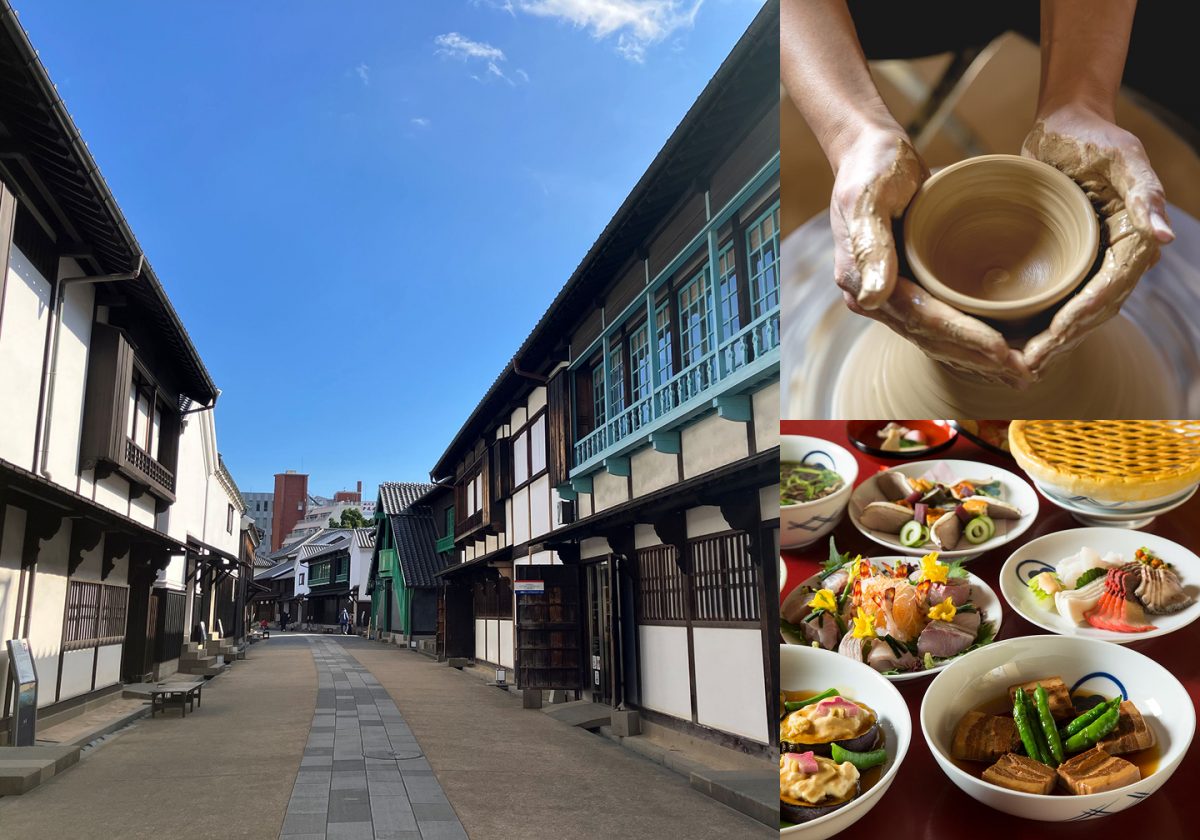
Step into Northern Kyushu, the ancient crossroads of Japanese and Western culture. During the Edo period, Dejima in Nagasaki served as a major gateway connecting Japan with the world. It's where where exquisite local porcelain began its journey overseas to captivating people all over the world. Experience a unique fusion of Japanese and international heritage that you can still see and feel today.
History
Discover the ports and porcelain.

Culture
Embrace the living traditions of Kyushu, whether it's through the artistry of porcelain or the relaxation found in an onsen.

Food
Savor Kyushu's unique culinary heritage with delicious foods and traditional sweets that blend traditions from the East and West.

Exploring Fukuoka: Kyushu's Major City
Your Kyushu journey begins in Fukuoka, where you'll explore Edo-period structures at the city's castle ruins and step back in time in preserved merchant towns before savoring the region's famous local cuisine.
9:00 a.m.
Appox. 2 hours 30 minutes
11:30 a.m. - 5:00 p.m.
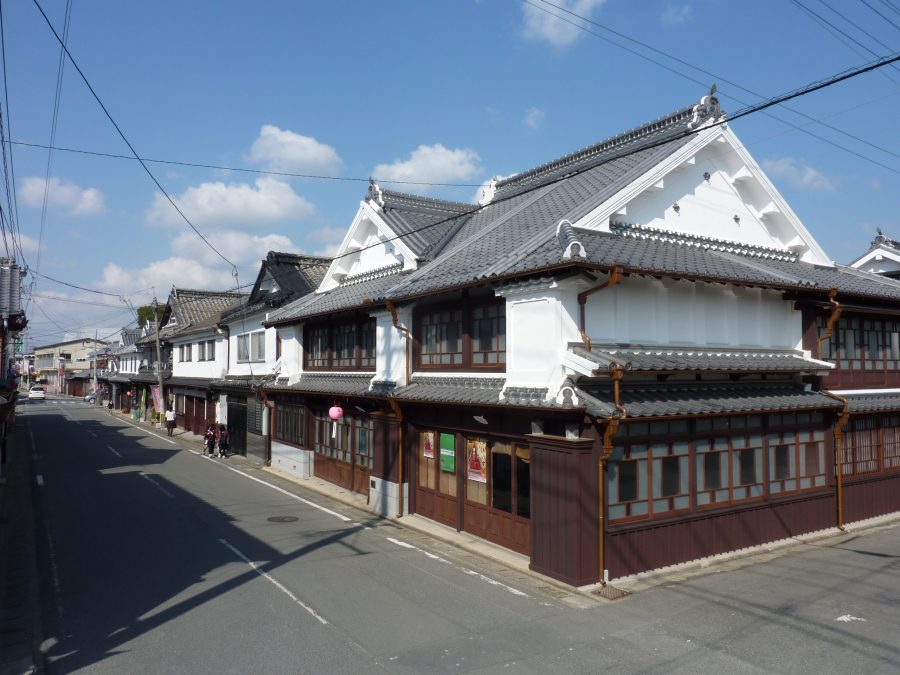
Fukuoka is a city where history and vibrant tradition converge. Explore the sprawling Fukuoka Castle Ruins to learn about Fukuoka’s history as the seat of the Fukuoka domain, and depending on the season, feel the city’s living spirit through its famous festivals like the Hakata Gion Yamakasa Festival. For a change of pace, walk the beautifully preserved Edo-period streetscapes of Yame Fukushima and Chikugo-Yoshii.
 Local Highlights
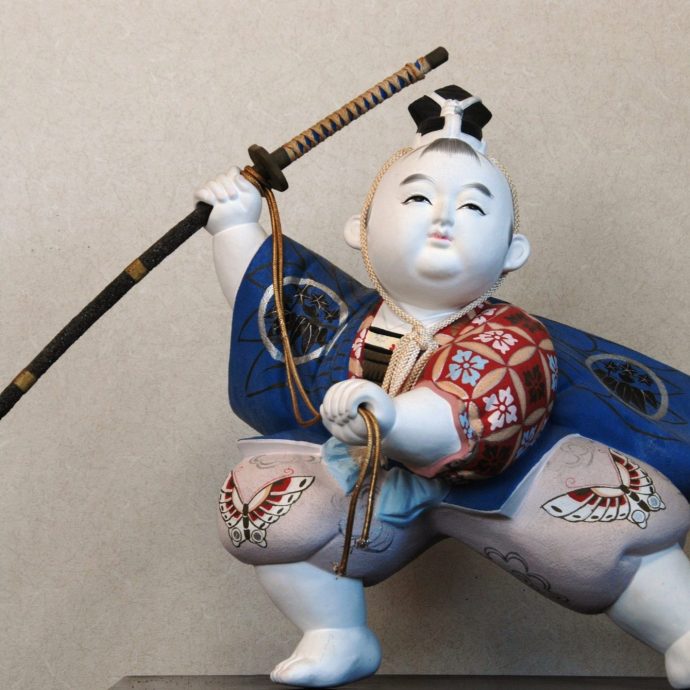
Fukuoka offers delights like its distinctively soft udon noodles and tradtional Yame green tea, a Japanese tea dating to the Edo era. For a cultural experience, you can try painting a traditional Hakata Doll, creating a unique, personal souvenir of your visit.
Approx. 15 minutes
5:15 p.m.
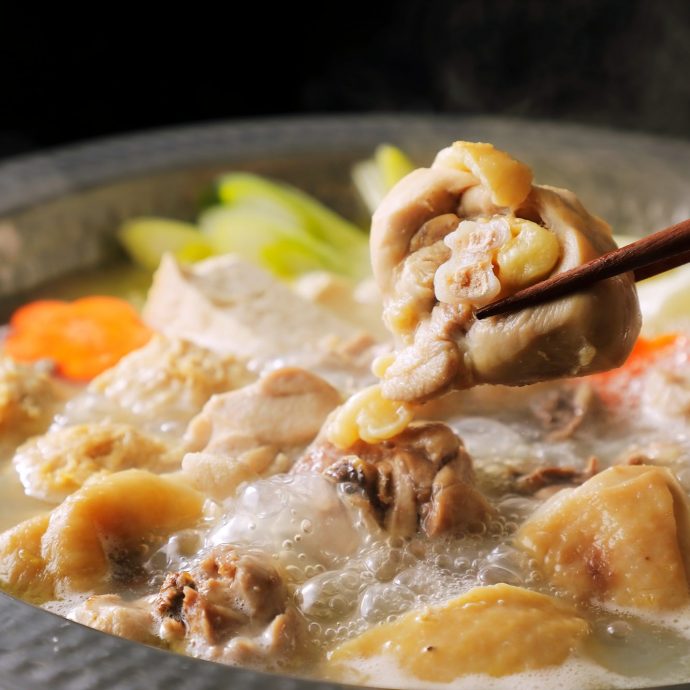
Local HighlightsFor dinner, experience Hakata's signature hot pot dish, mizutaki. Literally meaning, "cooked in water", this beloved local meal features tender chicken and fresh vegetables gently simmered in a light broth and is typically enjoyed with a citrus-based ponzu dipping sauce.
Exploring Two Famous Castle Towns and Hot Spring Hopping
Journey from the coastal fortress of Karatsu Castle to the historical heart of Saga City, exploring the legacy of the Saga Domain during the Edo period. Conclude your day of discovery with a deeply relaxing soak in the famous thermal waters of Takeo Onsen.
8:30 a.m.
Approx. 1 hour 30 minutes
10:00 a.m. - 1:30 p.m.
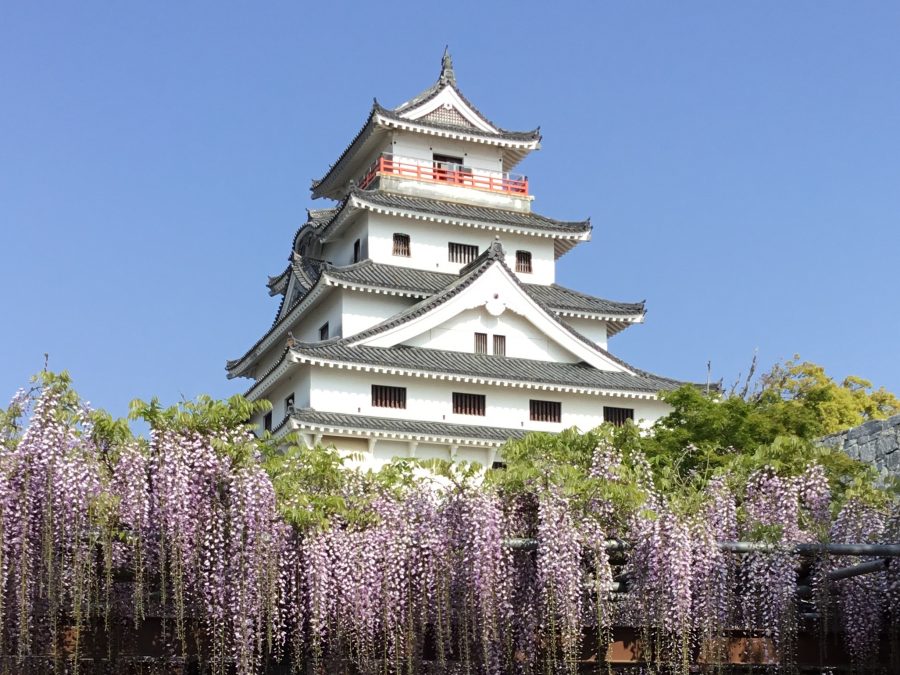
Perched above the bay, the majestic Karatsu Castle offers panoramic views that include the famous Niji-no-Matsubara, a scenic pine grove planted during the Edo period. The castle is the perfect starting point to explore a town rich with history, including other notable sites like the magnificent Old Takatori Residence.
 Local Highlights
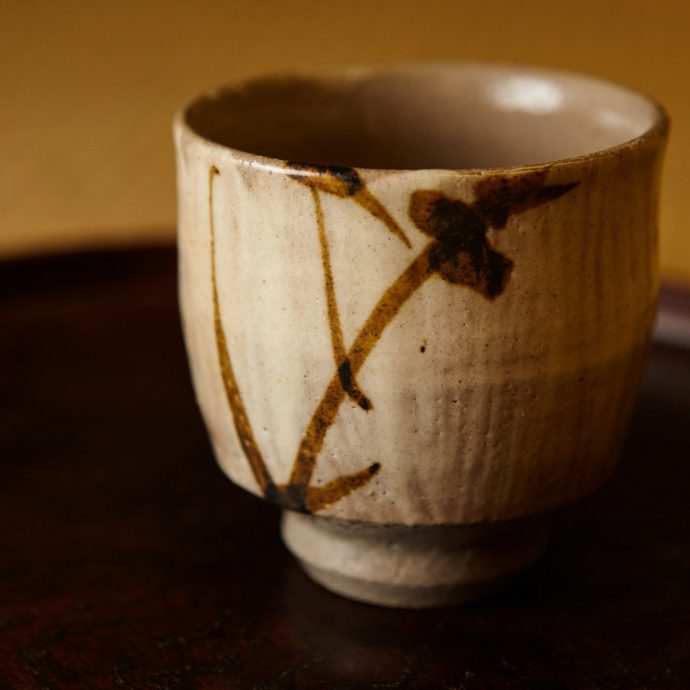
Karatsu's local specialties include the famously fresh squid from the nearby port and the renowned Karatsu ware pottery. For a hands-on experience, many local kilns offer workshops where you can try making or painting your own piece.
1 hour 45 minutes
3:15 p.m. - 5:30 p.m.
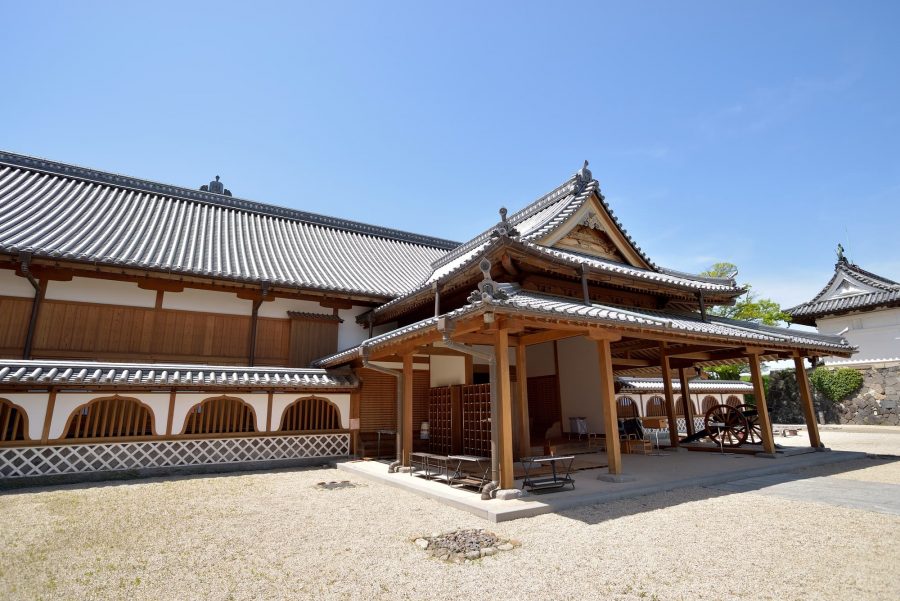
Dive into the rich history of the Saga Domain as you explore the historical sites in the center of Saga City. One must-see is the Saga Castle History Museum, which is a meticulous reconstruction of main keep of Saga Castle built during the Edo Period. This museum provides an engaging and insightful look into the region’s impressive past.
 Local Highlights
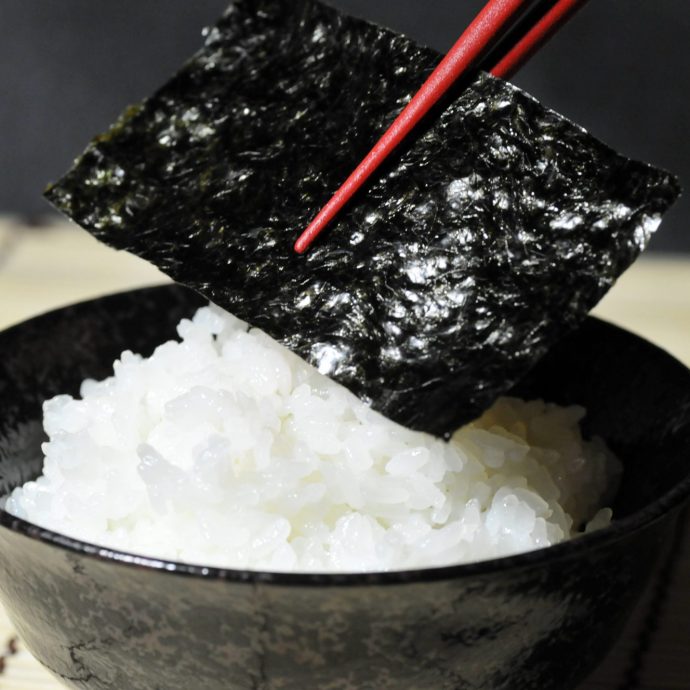
Saga Prefecture is one of Japan's leading producers of high-quality nori (dried seaweed), cultivated in the nutrient-rich Ariake Sea. Known for its crisp texture and deep aroma, this local specialty is a must-try, available in shops as a souvenir or dish ingredient.
Approx. 1 hour
6:30 p.m.
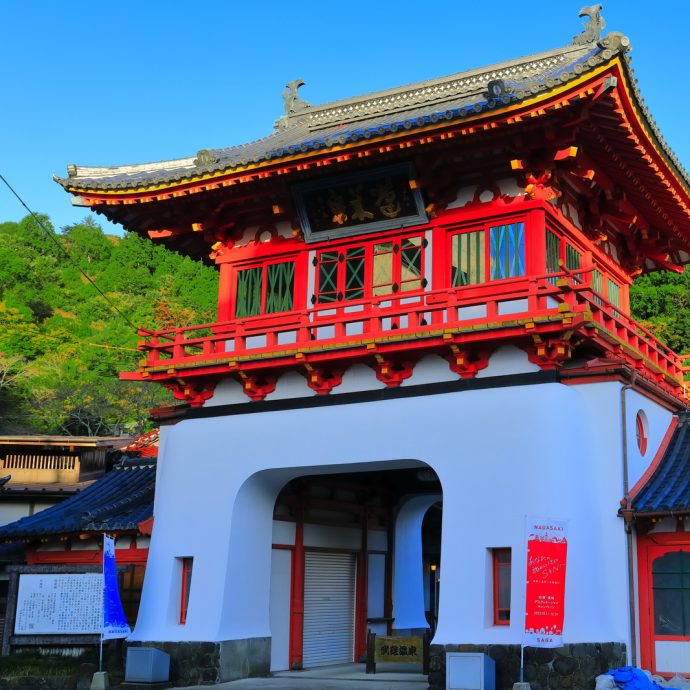
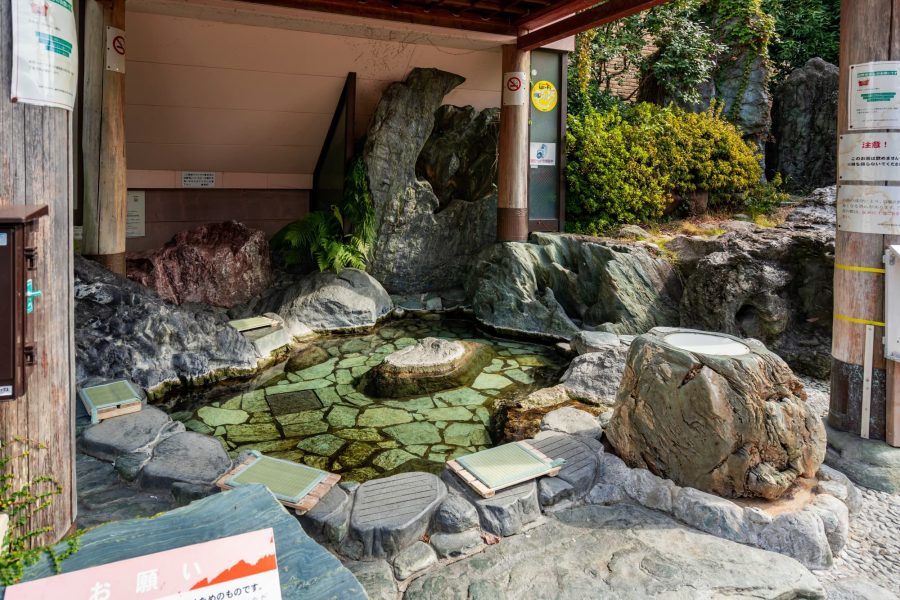
Local HighlightsConclude your day with a relaxing stay at Takeo Onsen, soaking in its gentle, restorative waters. Additionally, consider visiting the nearby Ureshino Onsen, known for its skin-beautifying springs, which were famously praised by the 19th-century physician Philipp Franz von Siebold.
Experience the Charms of Japan's Signature Ceramics
Today, you'll get in touch with your creative side. Find inspiration in the tranquil gardens of Mifuneyama Rakuen before getting hands-on in a pottery workshop. Then journey to Arita to witness Edo-era porcelein. Finally, you'll end the day in Nagasaki with a feast of flavors born from cultural fusion.
9:00 a.m. - 12:00 p.m.
Beyond the soothing waters of Takeo Onsen, a world of natural beauty and history awaits. The surrounding area is dotted with historic sites perfect for a relaxing stroll or deeper exploration. One particular highlight is the magnificent Mifuneyama Rakuen, a sprawling garden that blends stunning landscapes with a rich past. Discover the historical treasures that make the Takeo area a truly special destination to explore.
 Local Highlights
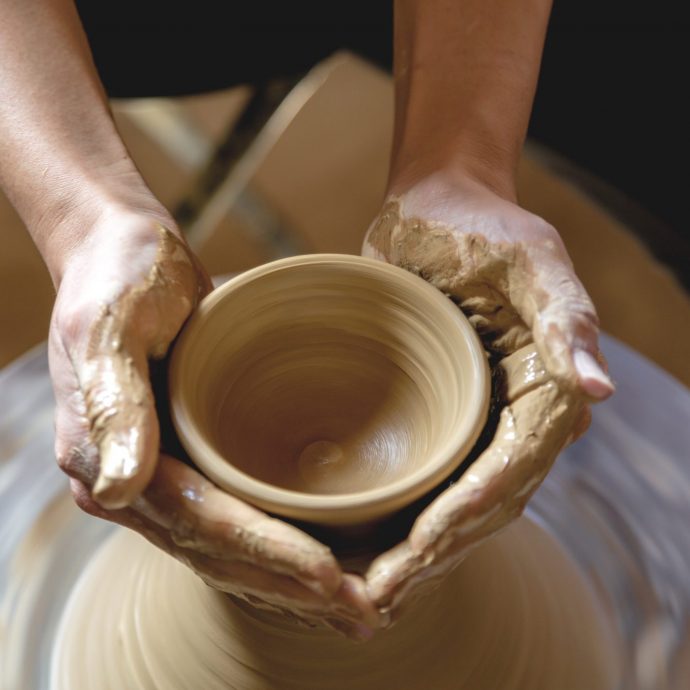
The same artistic spirit you feel in gardens like Mifuneyama Rakuen also lives in the local craft of pottery. Immerse yourself in this tradition with a hands-on workshop. Guided by a local expert, you'll learn the basics of the craft and shape your own unique cup or bowl. It’s a wonderful opportunity to create a tangible memory of the Takeo area.
Approx. 30 minutes
12:30 p.m. - 4:50 p.m.
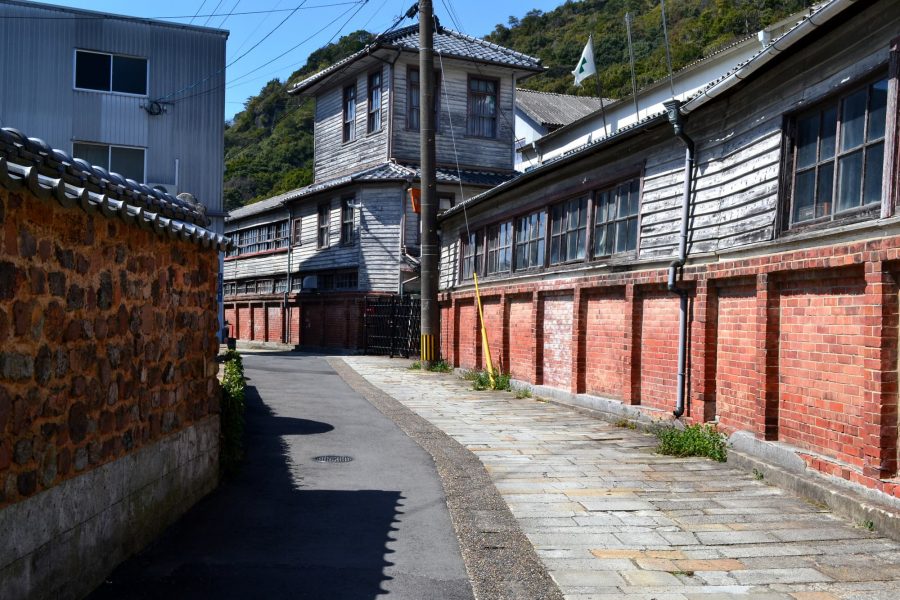
Explore Arita’s Uchiyama District, where Edo-period townscapes and pottery studios line the streets. Within the area lies the Kyushu Ceramic Museum. Here you’ll find exquisite Edo-era Arita wares. It’s the perfect place to immerse yourself into the world of Japanese ceramics before exploring the rest of this historic town.
 Local Highlights
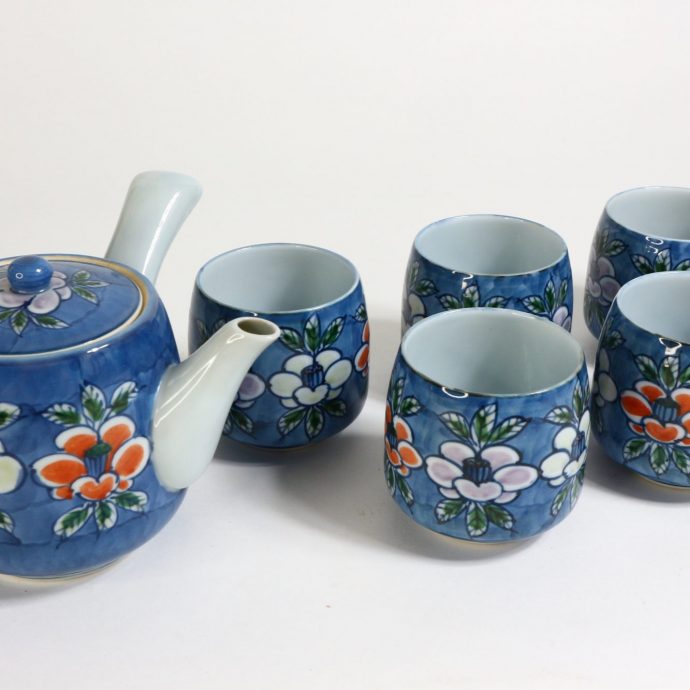
Discover world-famous Arita ware and even craft your own unique piece in a hands-on pottery workshop. Afterward, relax with Ureshino tea, a specialty with deep Edo-period roots. This fragrant, high-quality green tea is a perfect match for Arita's beautiful porcelain. Plus, since Saga Prefecture is a well-known producer of Wagyu beef, you can savor high-quality meat dishes.
Approx. 1 hour 25 minutes
6:15 p.m.
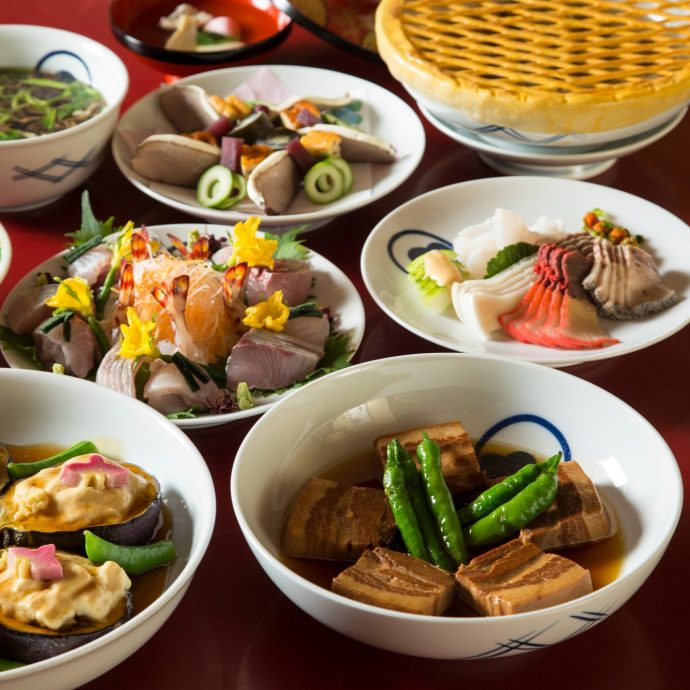
Local HighlightsCap your day off by savoring Shippoku cuisine, a banquet-style meal from Nagasaki that is heavily influenced by Japanese, Chinese, and Western cooking styles. A typical meal may include sashimi, Nagasaki tempura, braised pork, and other dishes.
Explore the Crossroads of Japan and the West
Conclude your adventure in Nagasaki, a vital gateway between Edo-era Japan and the world. One highlight to explore is Dejima, where you can imagine the streets and daily life of the Edo era. Don't miss the chance to try your hand at local crafts like glassmaking and baking Castella cake.
9:00 a.m. - 2:15 p.m.
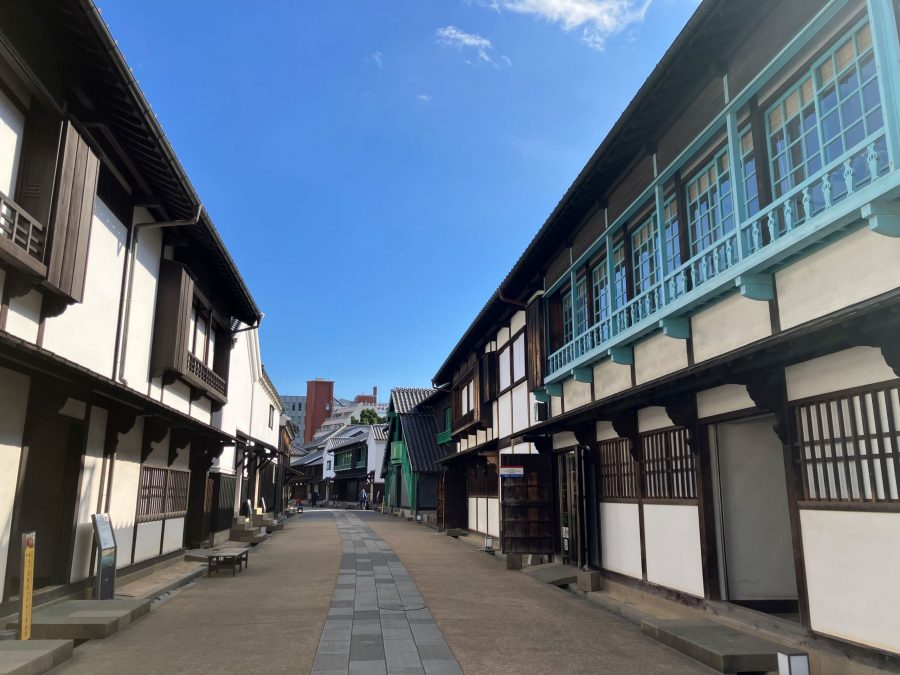
Step into Dejima, which served as a major gateway connecting Japan and the world for over 200 years. During the Edo period, Dejima primarily functioned as a trading post with the Netherlands. Here, you can stroll through the restored streetscape and explore residences, warehouses, kitchens, and other structures where Japanese and Western cultures met. Numerous other Edo-period historical sites remain nearby, including Glover Garden and Oura Cathedral.
 Local Highlights
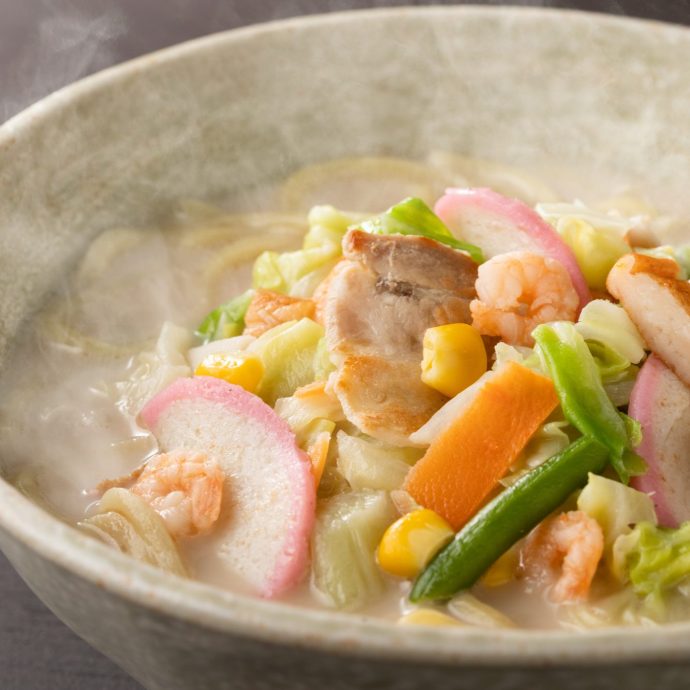
Savor two dishes that represent Nagasaki's culinary heritage. Begin with "Castella," a delicate Western-style cake known for its fine crumb and honeyed sweetness. Then, enjoy "Champon," a hearty noodle soup packed with vegetables, similar to ramen. You can even discover the art of making perfect Castella from local experts, creating a truly memorable experience.
Approx. 1 hour
3:15 p.m.
Approx. 2 hours 15 minutes
5:30 p.m.