Following in the Footsteps of Tokai’s Great Shogun
Thriving great cities alongside Edo, Kyoto and Osaka were regarded as key centers of politics and culture, and their importance had them under direct shogunal control during the Edo period. Surrounding these cities, castle towns governed by daimyo loyal to the Tokugawa clan flourished, such as Wakayama to the south and Hikone to the east.
Kyoto and Osaka in particular nurtured their own distinct cultures rooted in centuries of history, giving rise to the vibrant and refined Kamigata culture that still shapes the region’s traditions, arts, and cuisine today.
History
Travel from Kyoto and Osaka, once known as collectively as "Kamigata," to the castle town of Hikone, and Wakayama, once heart of the Kishu Domain, and uncover the histories of Japan’s great Western cities, flourishing alongside Edo. Discover the elegant castles and castle towns that tell stories of regional power and prestige during the Edo era.

Culture
Experience the performing arts of the Edo period, which continue to inspire audiences today: the dynamic energy of kabuki in Kyoto, where the art form was born, and the depth of bunraku puppet theater in Osaka. In Kyoto, try your hand at weaving exquisite Nishijin textiles, another craft that embodies the aesthetic sophistication of the era.

Food
Taste the refined culinary culture that blossomed in Kyoto and Osaka. In Wakayama, join a local cooking activity and see for yourself how the warm Kuroshio Current nurtures its rich seafood. In Shiga, discover local flavors from the bounty of Lake Biwa.

From Castle to Curtain Calls
Step back into the early Edo period as you journey from Tokyo to the shores of Lake Biwa. See the castle and townscape that echo Hikone's feudal past, and then travel onward to Kyoto to experience the artistry of kabuki at the historic Minami-za Theatre.
9 a.m.
Approx. 2 hours 45 minutes
11:45 a.m. - 1:30 p.m.
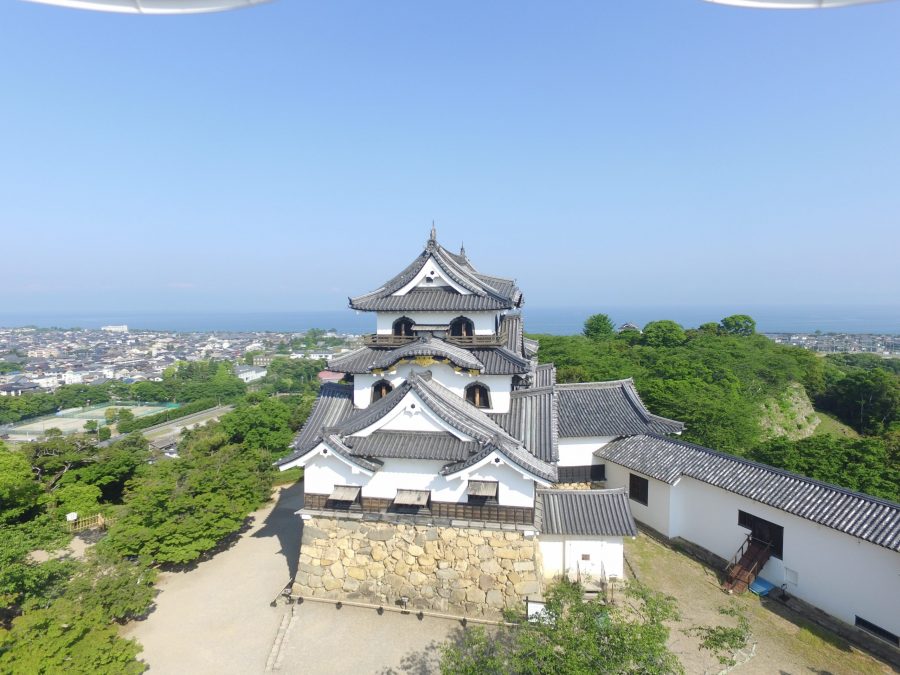
Hikone Castle is one of just five National Treasure castle keeps in Japan. In the castle grounds, you’ll find Genkyuen Garden, a scenic daimyo garden built for relaxation and entertaining guests, where you can still enjoy a cup of tea today. The surrounding castle town of Hikone still has an air of Edo charm, with some old residences still standing.
 Local Highlights
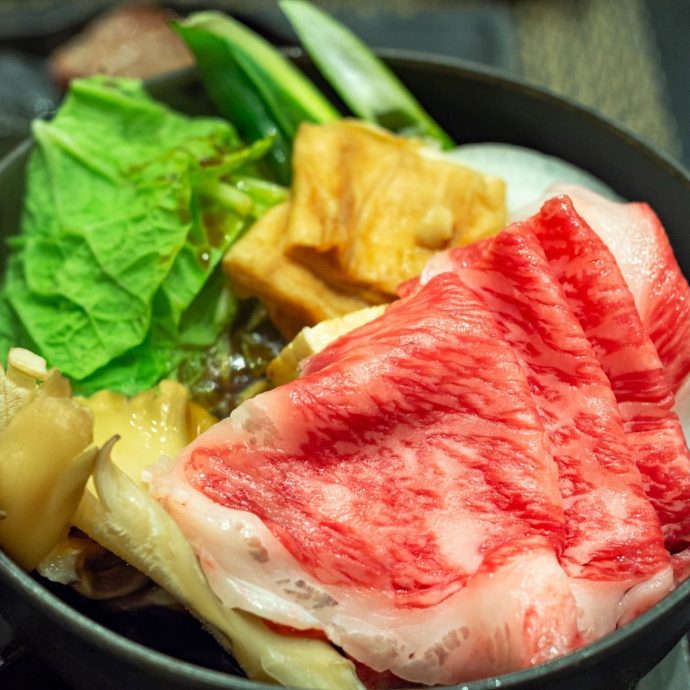
Hikone is at the heart of what was once Omi Province, renowned for its wagyu beef, Omi-gyu. If you're adventurous, you should also try funazushi, a fermented freshwater fish delicacy made using a method passed down for over a thousand years, which has been faithfully preserved since the Edo period.
Approx. 2 hours
3:30 p.m. - 7:15 p.m.
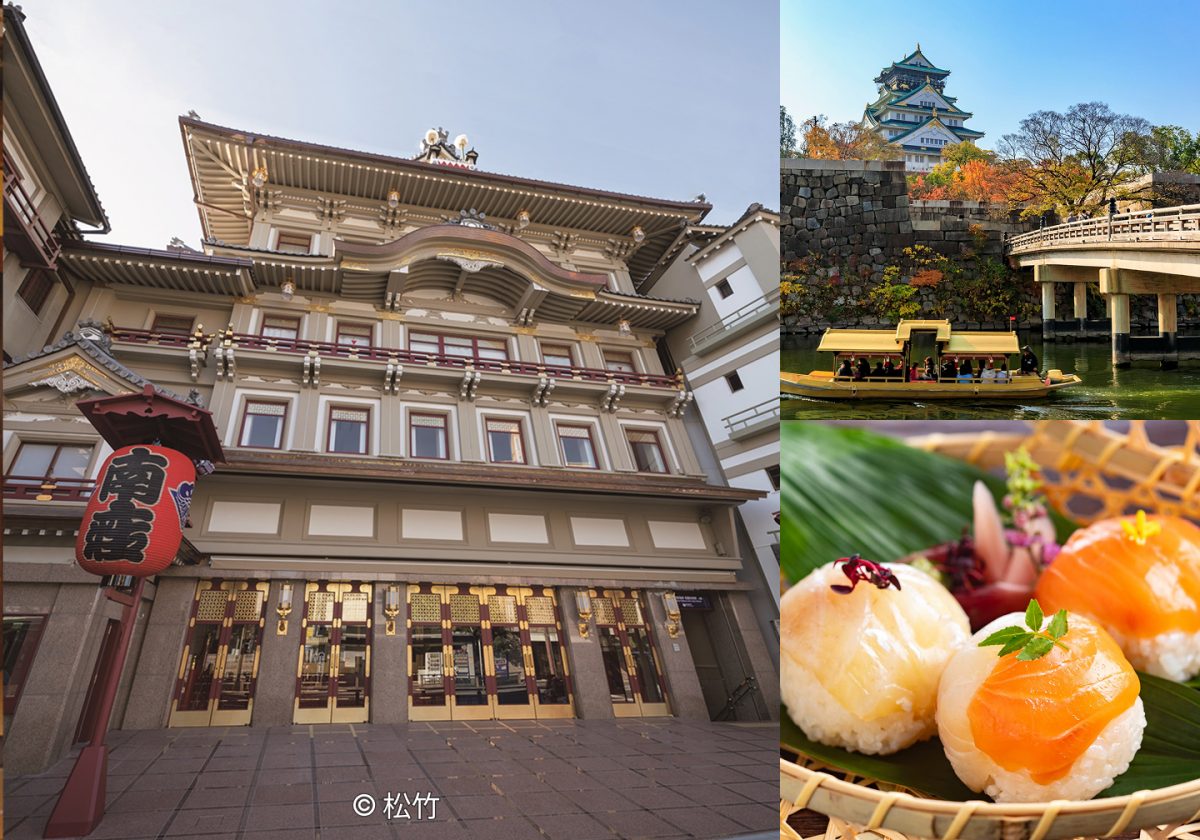
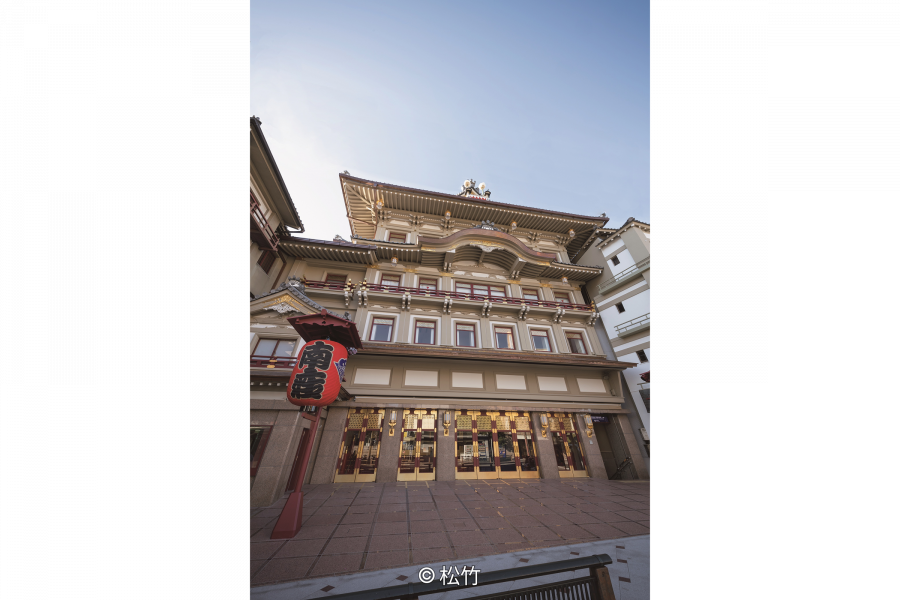
Standing proudly on the edge of Kyoto’s Gion district, Minamiza is a storied kabuki theater that traces its origins back four centuries. The very origins of kabuki odori, or “kabuki dance,” began not far from where the theatre stands in the early 17th century. If you’re going to see a performance of this Edo period entertainment, there’s no more fitting place than this historic venue. The lavish costumes and dramatic gestures all hearken back to Edo’s cultural prosperity. Performances are not held year-round, so be sure to check with the official website before your visit.
Approx. 15 minutes
7:30 p.m.
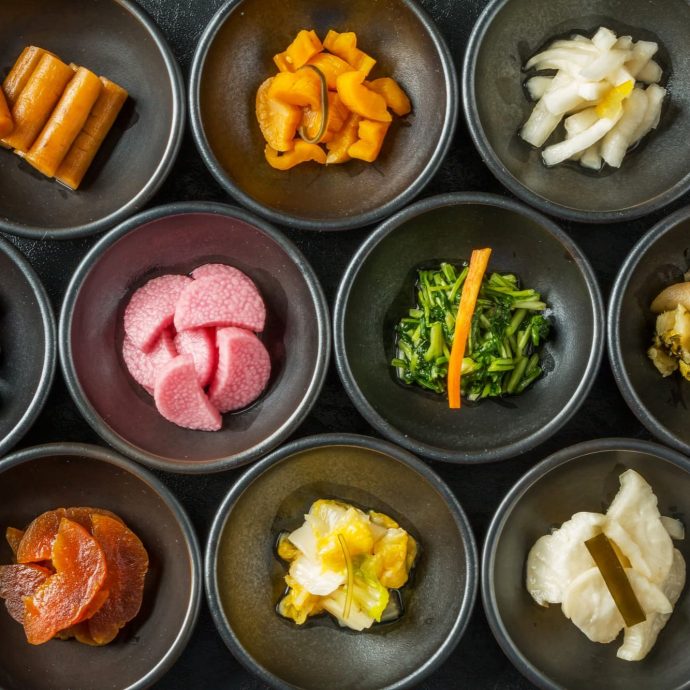
Local HighlightsAs the curtain falls on your first day, enjoy the refined tastes of Kyoto cuisine—whether a full multi-course kaiseki meal, yudofu (tofu hot pot), or a selection of traditional small obanzai dishes.
From the Elegance of the Edo-era's Imperial Palace to Osaka’s Vibrant Kitchen
Day two will take you from Kyoto, the historic seat of the Emperor where samurai traditions still thrive, to the lively heart of Osaka, where merchants, artisans, and entertainers shaped a dynamic urban culture.
9:00 a.m. - 11: 30 a.m.
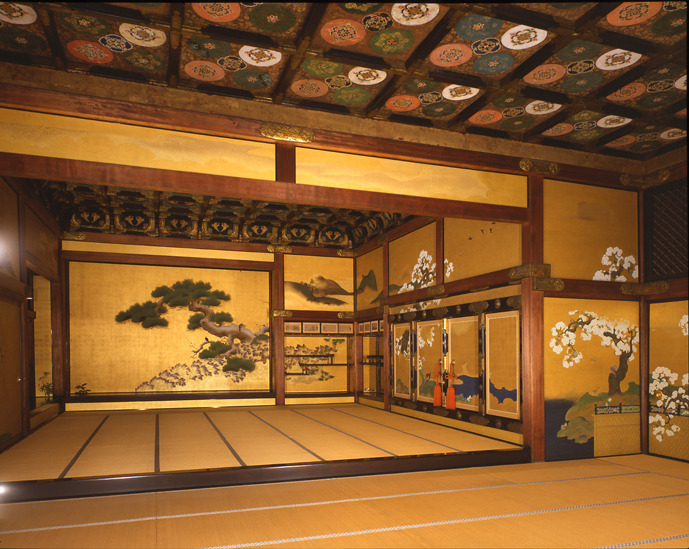
Start your day exploring the grandeur of Kyoto’s Edo period landmarks in the central Kyoto, which forms the historical heart of the city and was once the base of imperial power for the Emperor and nobility. Nijo-jo Castle, built by Tokugawa Ieyasu, was the Kyoto residence of the shoguns and a symbol of their authority in Kyoto. Alternatively, you can visit the Kyoto Imperial Palace and Sento Imperial Palace, both surrounded by tranquil gardens that recall the refined court culture of the era. To this day, the surrounding Nakagyo district is alive with enduring craftsmanship, and worth exploring, too.
 Local Highlights
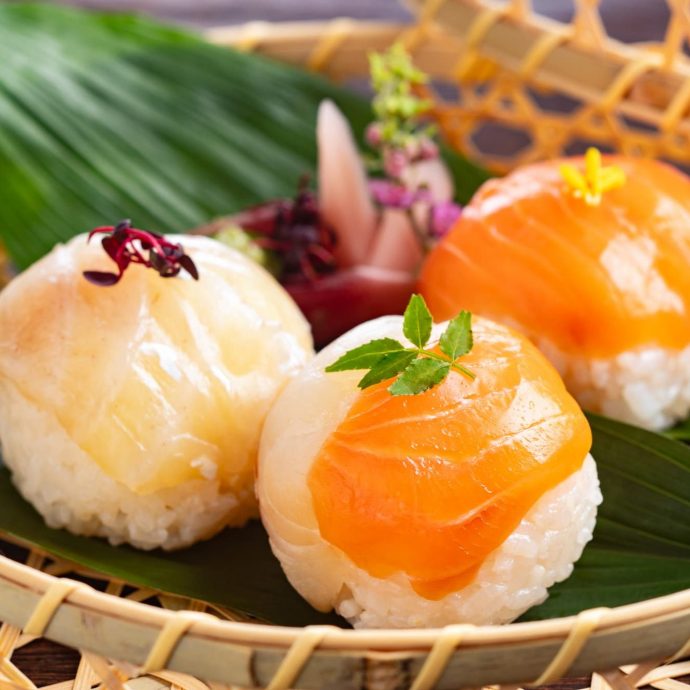
While you're in Kyoto, sample delicate Kyoto-style sushi or traditional wagashi sweets. For a hands-on experience, try a textile weaving workshop in the Nishijin neighborhood, famous for its sumptuous fabrics.
Approx. 1 hour 30 minutes
1 p.m. - 6 p.m.
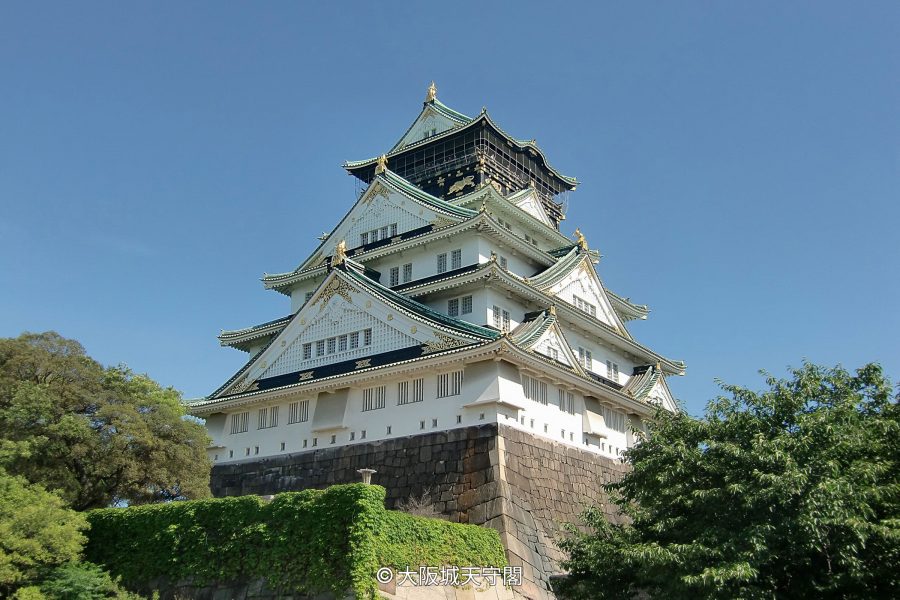
Next, you’ll head to Osaka Castle, the proud symbol of Japan’s merchant metropolis. The castle is known for its reconstructed keep and grand stone walls, located within a large park. Beyond the castle grounds, you can find a glimpse of the rhythms of everyday life in Kamigata via recreated Edo era streets at Osaka’s unique cultural museums such as the Osaka Museum of Housing and Living.
 Local Highlights
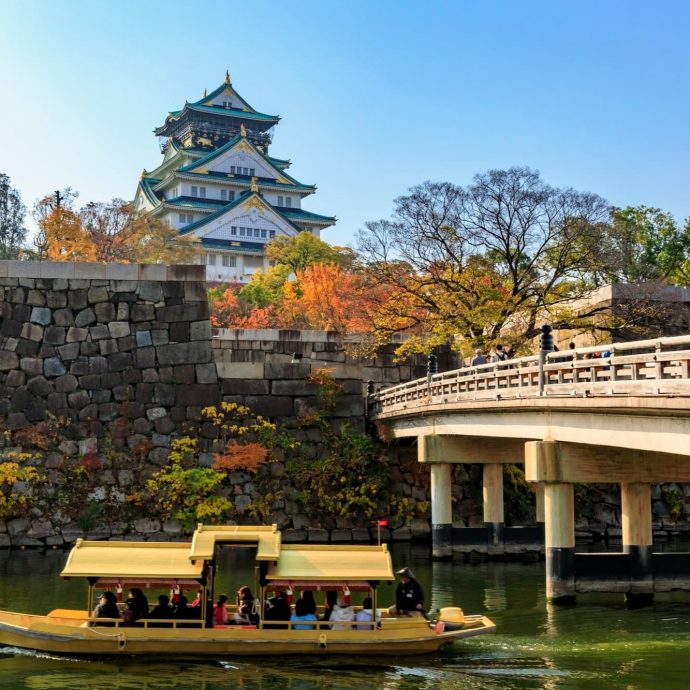
Take a boat cruise around the castle moat for a new perspective on this historic landmark, or enjoy a performance of bunraku, Osaka’s celebrated traditional puppet theater that dates to the Edo period. You can also refuel with a comforting bowl of dashi udon noodles, with its subtle, savory flavor.
Approx. 30 minutes
6:30 p.m. -
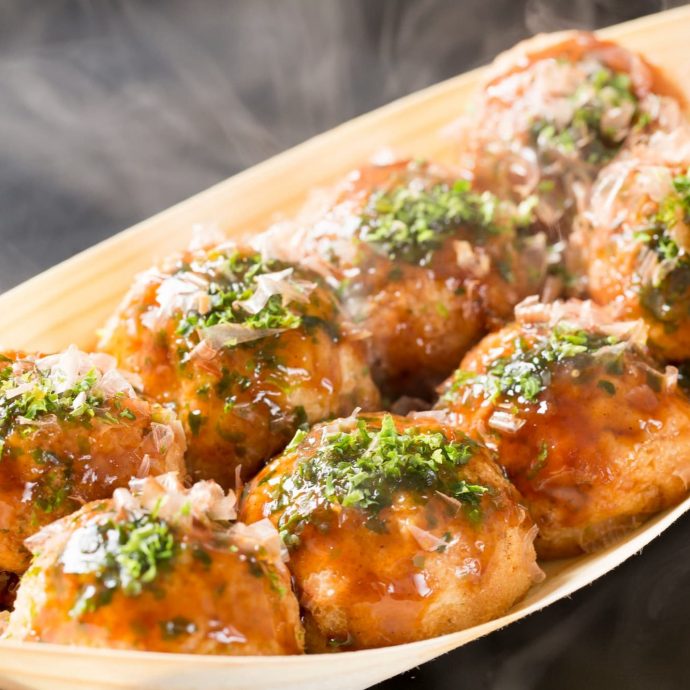
Local HighlightsOsaka earned the nickname, "The Nation's Kitchen" for its place as a trading hub for rice and other goods during the Edo period. Try some okonomiyaki, a savory pancake, or takoyaki octopus balls, and enjoy the bustling dining atmosphere.
Castles, Clans, and Coastal Charm in Wakayama
On the final day, you continue south to Wakayama, where you'll find a castle, historic gardens, and shrines with deep connections to the Tokugawa family in this coastal city.
9 a.m.
Approx. 1 hour 15 minutes
10:15 a.m. - 4:30 p.m.
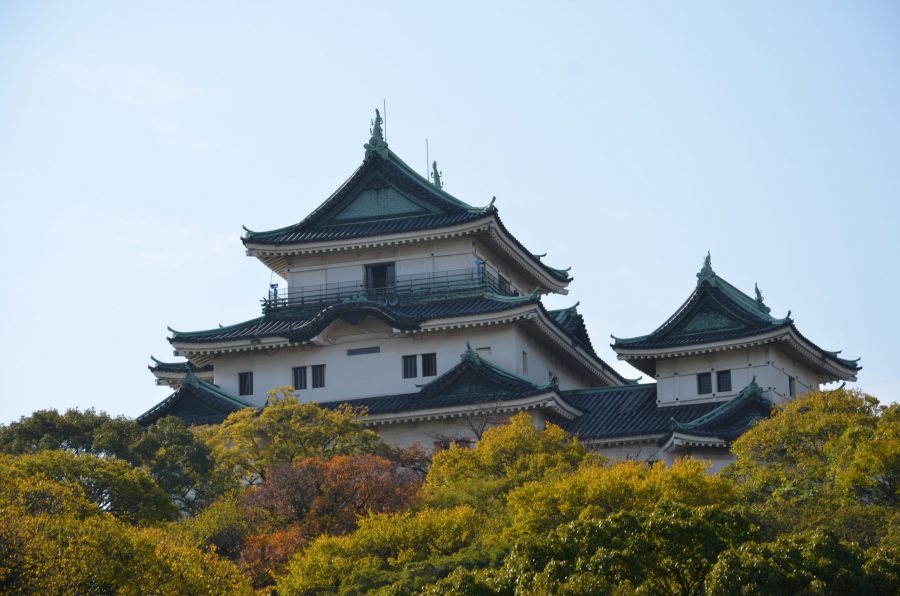
Wakayama Castle was the seat of the powerful Kishu branch of the Tokugawa clan, one of the three great Tokugawa families. Within the grounds and around the city lie sites tied to the clan’s legacy, including the ornate Kishu Toshogu Shrine and the elegant Yosuien Garden.
 Local Highlights
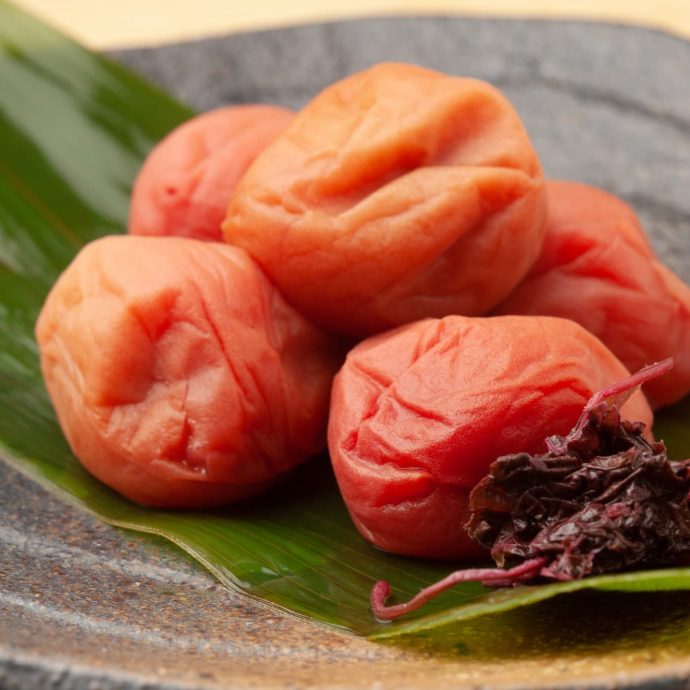
For lunch, enjoy local seafood nurtured by the warm Kuroshio Current, which brings an abundance of fresh fish to Wakayama's coast. Also don’t miss a taste of the region’s umeboshi (pickled plums), or try a hands-on umeshu (plum liqueur)–making experience for a sweet souvenir.
Approx. 1 hour 20 minutes
5:50 p.m.
Approx. 2 hours 30 minutes
8:30 p.m.