Nikko Toshogu and Mito—Tracing the Landmarks of the Edo Shogunate

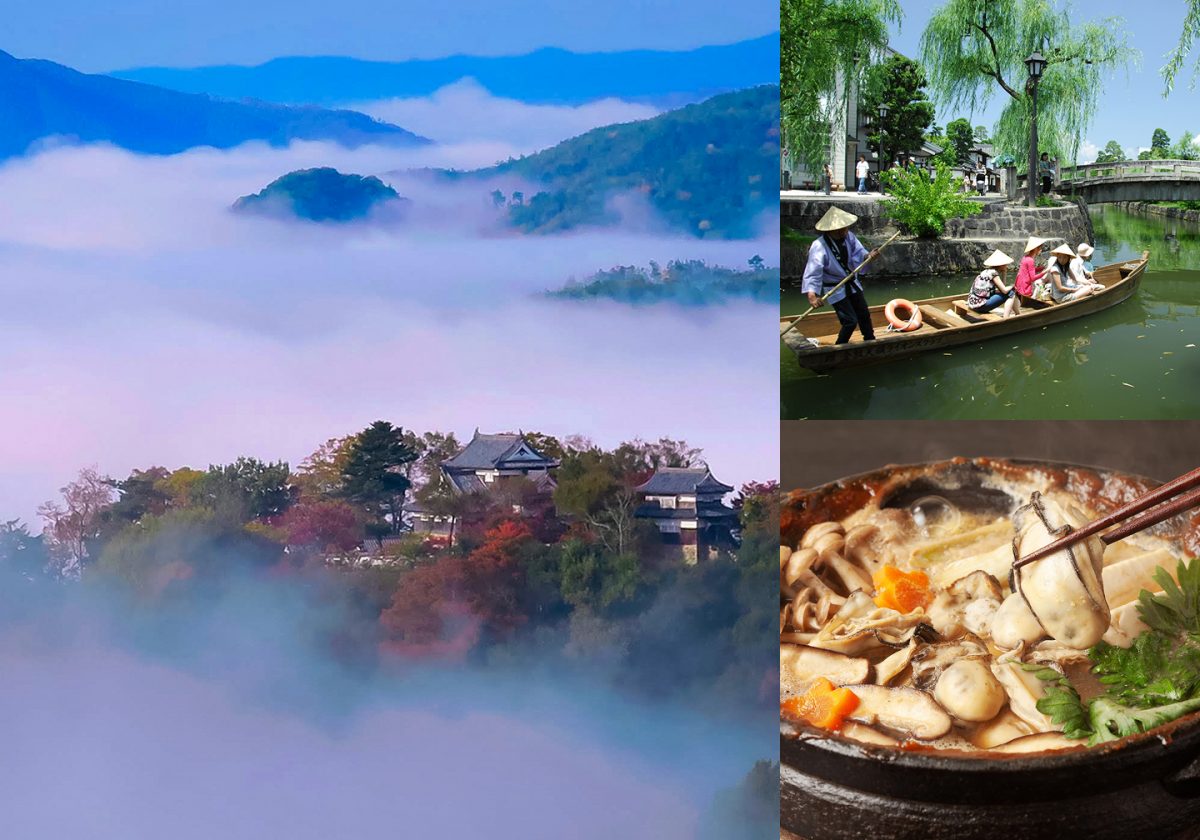
In the Chugoku region of Western Japan, powerful daimyo shaped distinctive cultures within their domains, leaving behind grand castles, and refined gardens, around which castle townsfolk developed their own crafts and traditions. The Seto Inland Sea and the Sea of Japan once served as major arteries of commerce, giving rise to the growth of bustling ports and merchant towns, many of whose Edo period streets - and towering castle keeps - you can still see today.
History
Step into the strongholds of the Chugoku region to explore Edo period castles, castle towns, and the vibrant maritime trade that shaped their prosperity.

Culture
Experience the elegance and artistry of the daimyo's world through beautiful gardens in Chugoku's castle towns. In the surrounding towns, you can still encounter the traditional textile work and other crafts that developed in the castle towns and flourished with trade.

Food
Savor the rich flavors of the Seto Inland Sea and the tea culture of Matsue.

The White Heron Castle & Chugoku's Largest City
Begin your journey in Himeji, home to one of Japan’s most celebrated castles, and a place to learn about early Edo period architecture and aesthetics.
9 a.m.
Approx. 3 hours
12 p.m. - 4 p.m.
Himeji Castle, often called the “White Heron Castle” for its graceful, white-plastered walls, is one of Japan’s most striking and best-preserved feudal fortresses. Its historical significance earned it recognition as one of Japan’s first UNESCO World Heritage Sites. There are several places where you can experience Himeji’s rich history and culture, including Koko-en Garden, a strolling garden with a pond, and the more than 1000 year-old Shoshazan Engyo-ji Temple.

 Local Highlights
Try Himeji’s anago (conger eel) dishes, a traditional local specialty, or stop by a leather workshop to craft your own small accessory in the city’s long tradition of leatherwork.
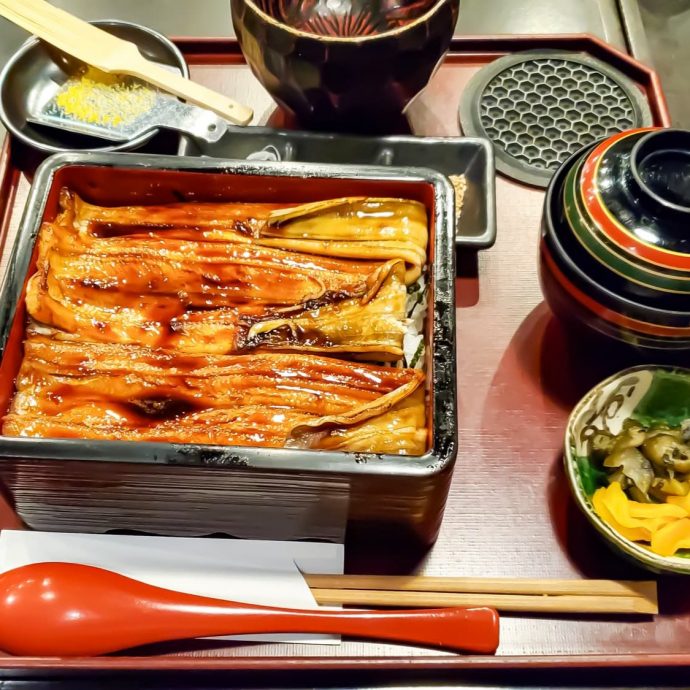
Approx. 1 hour 30 minutes
5:30 -
Local HighlightsHiroshima is known for its oysters. Try kaki no dote-nabe, a rich oyster hot pot with a miso-based soup that's favorite local specialty along the Seto Inland Sea - and especially good for warming up in winter.
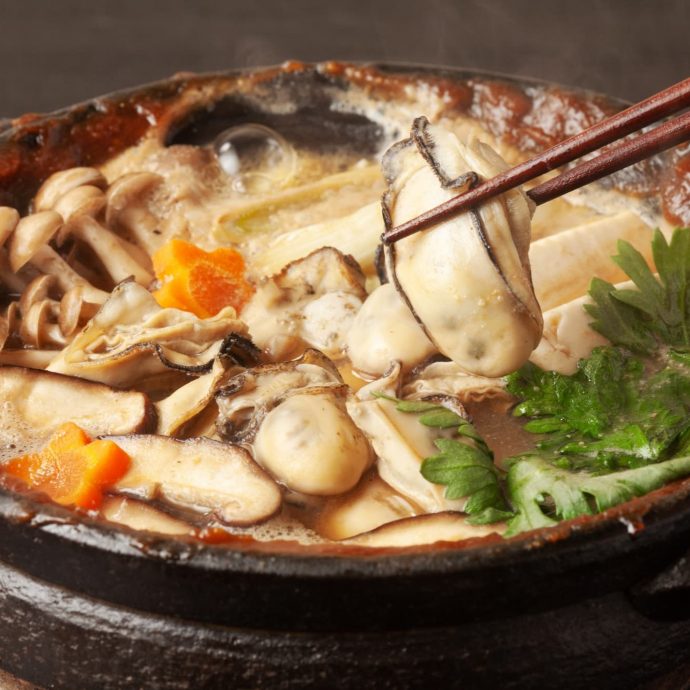
The Lords & Townscapes of the Seto Sea
Explore the Hiroshima domain’s legacy of castle culture, art, and maritime faith before heading east to Fukuyama, another castle town steeped in Edo history.
9 a.m. - 2 p.m.
Within Hiroshima city, visit Hiroshima Castle, which laid the foundations for the growth of this largest city in the Chugoku region. Nearby, you can also explore Shukkeien Garden, a celebrated daimyo garden that dates to the Edo period.
If you venture outside the city to visit Miyajima, an island floating in the Seto Inland Sea, you can see the famous vermillion gate of Itsukushima Shrine, which became a popular pilgrimage destination during the Edo period.
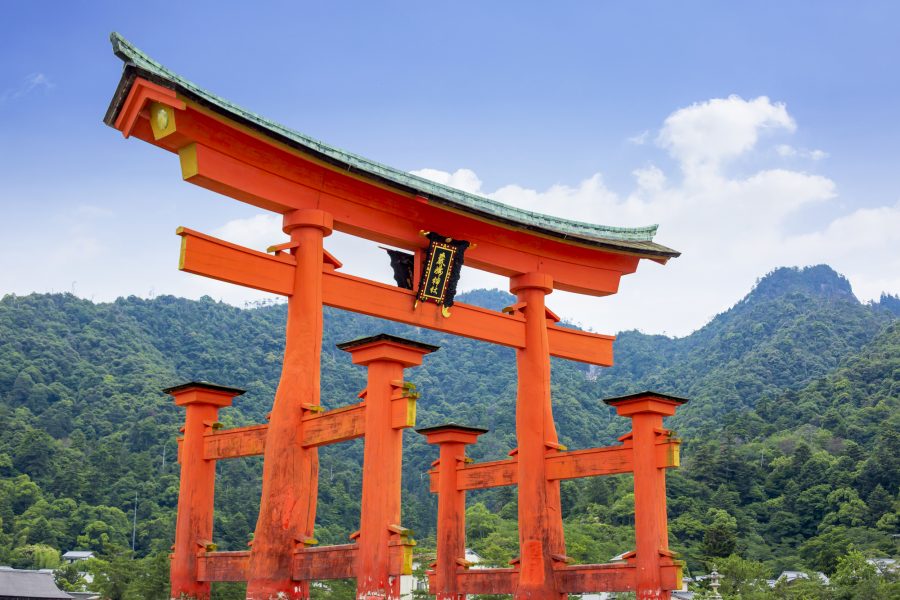 Local Highlights
Enjoy Hiroshima's wildly popular okonomiyaki (a kind of savory pancake). In Hiroshima, it's common to wrap noodles in the batter before grilling. You can also try your hand at branding or making your own shamoji (rice paddle), one of Miyajima’s best-known crafts. Kumano brushes also make for refined souvenirs.
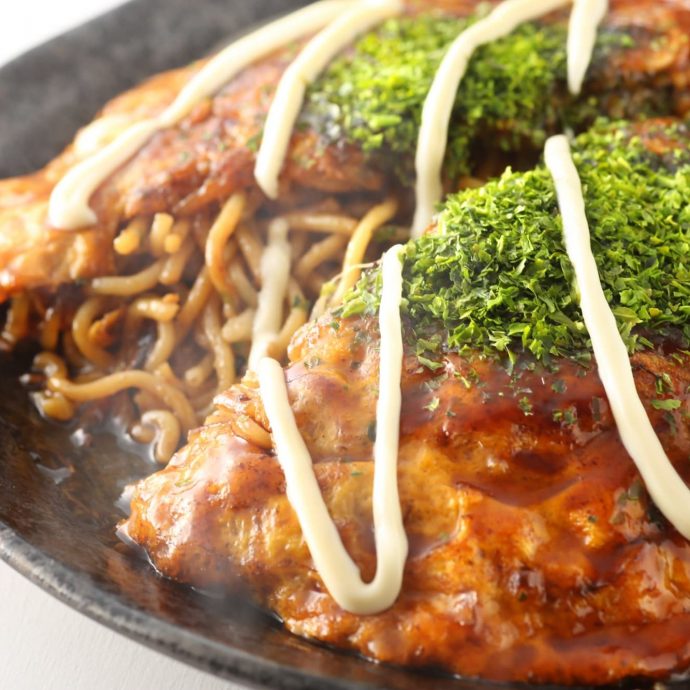
Approx. 30 minutes
2:30 p.m. - 5 p.m.
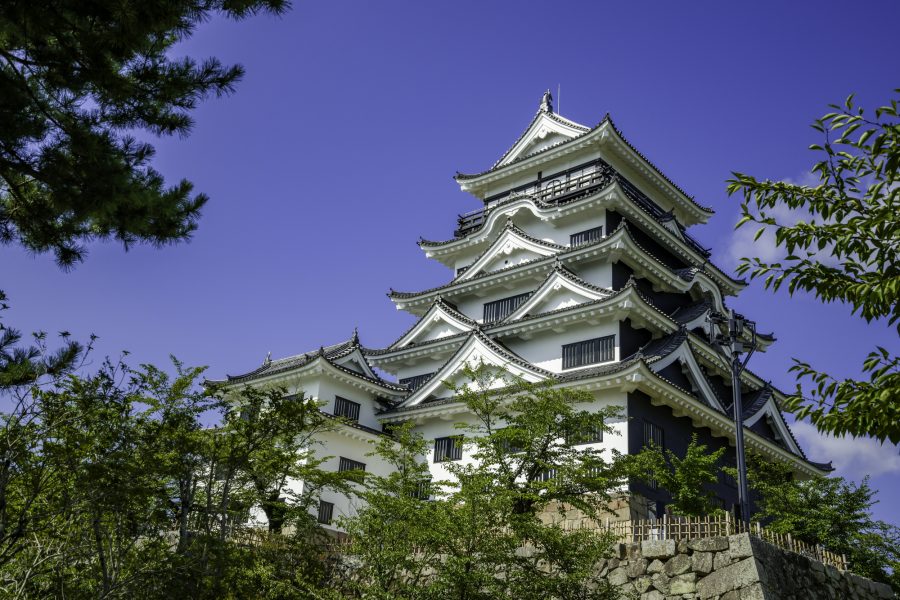
In Fukuyama, visit Fukuyama Castle and the historic Kannabe Honjin inn, both closely linked to the Fukuyama domain. Even today, the town’s samurai and merchant history is tangible in its streets and architecture.
 Local Highlights
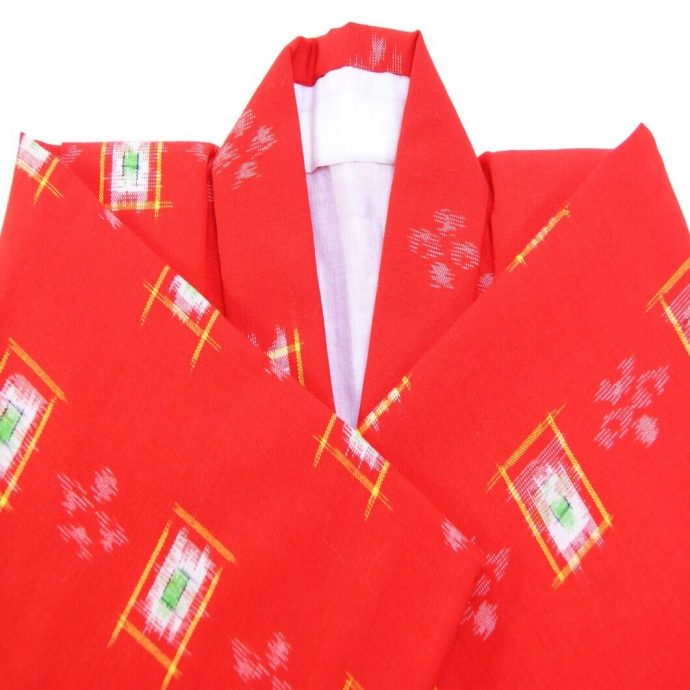
Bingo kasuri is the region’s traditional cotton textile, still made using Edo era techniques.
Approx. 30 minutes
5:30 p.m.
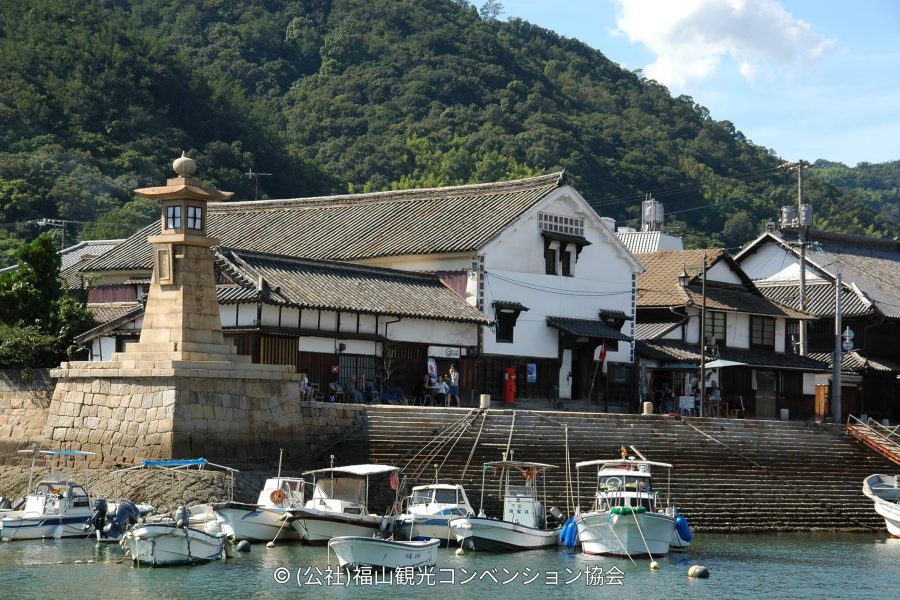
Tomonoura, located on the eastern coast of Hiroshima Prefecture, flourished during the Edo period as a vital harbor where ships paused until the tides were right to sail the Seto Inland Sea. The town preserves its Edo era character with merchant homes, temples, and port facilities, including the iconic Joyato lighthouse, stone steps (Gangi), and old guard stations.
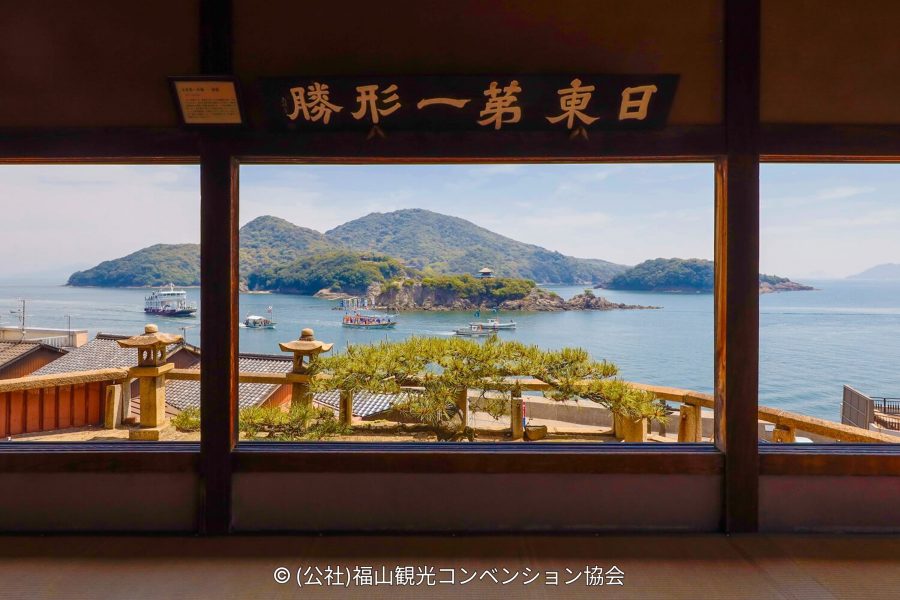
One of Tomonoura’s historical highlights is Taichoro, a reception hall at Fukuzen-ji Temple where Korean envoys (diplomatic missions sent by the Joseon Dynasty to Japan during the Edo period to restore the severed Japan-Korea relationship) once stayed. From its tatami-mat rooms, visitors can gaze out across the calm sea to Sensui and Benten islands—an outlook praised as “the most beautiful scenic view in Japan.” The area is also tied to early modern history through the Iroha Maru Incident, in which Sakamoto Ryoma (a man who greatly influenced the modernization of Japan) negotiated with feudal authorities after a shipwreck just offshore.
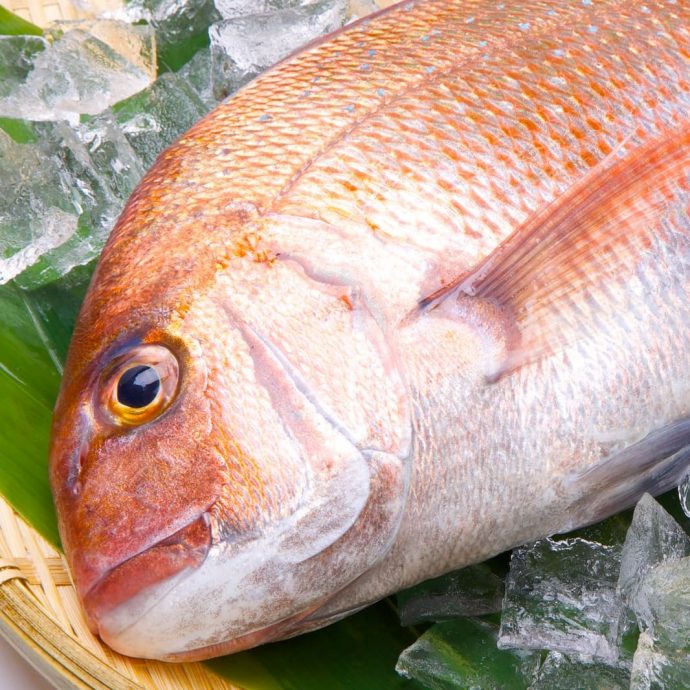
Tomonoura is equally famous for its cuisine, especially sea bream dishes that have emerged from centuries of local fishing traditions. And be sure to try Tomonoura’s specialty product, houmeishu—a nourishing sake passed down from the Edo period.
 Local Highlights
Once a bustling port for Edo period ships, Tomonoura’s atmospheric harbor remains much as it was centuries ago. While you're here, be sure to try the port town’s signature tai (sea bream) dishes.
Trade and Culture Along the Seto Coast
From Tomonoura’s seafaring legacy to Kurashiki’s merchant prosperity, today’s journey reveals the vibrant economic and cultural exchanges of the Edo period.
9 a.m. - 11 a.m.
Tomonoura’s calm port preserves traces of the active exchanges that took place in the Seto Inland Sea during the Edo period, with historic spots like Fukuzen-ji Temple’s Taichoro Hall, which once welcomed Korean envoys, and the Joyato Stone Lantern, which served as a lighthouse to guide ships into port in this thriving center of Edo maritime trade.
 Local Highlights
Try homeishu, a fragrant herbal liqueur and local specialty passed down in Tomonoura since the Edo period.

Approx. 1 hour 30 minutes
12:30 p.m. - 4:30 p.m.
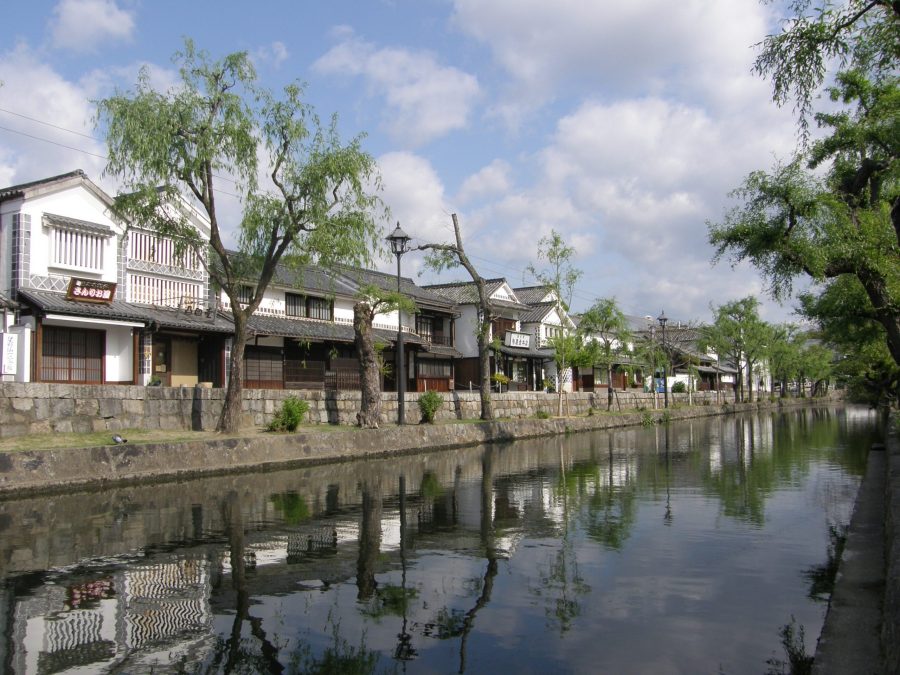
Continue to Kurashiki’s Bikan Historical Quarter, a beautifully preserved merchant neighborhood where white-walled storehouses and canal-side streets recall the prosperity of Edo Japan. Visit the Ohara Residence and other historical buildings to get a sense of what merchant life was like up close.
 Local Highlights
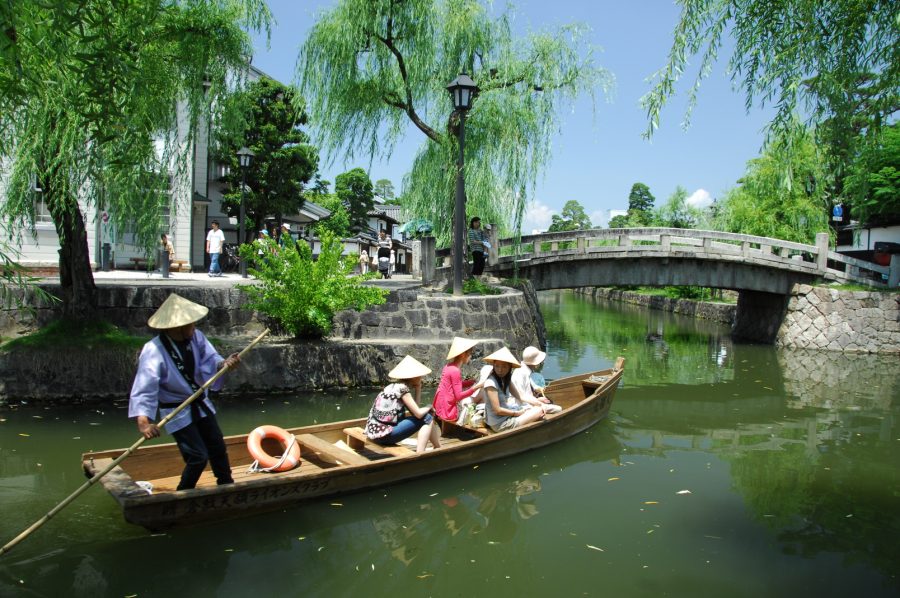
Enjoy oyster dishes from the Seto Inland Sea or take a short canal boat ride for a charming view of the historic storehouses and bridges from the water.
Approx. 45 minutes
5:15 p.m.
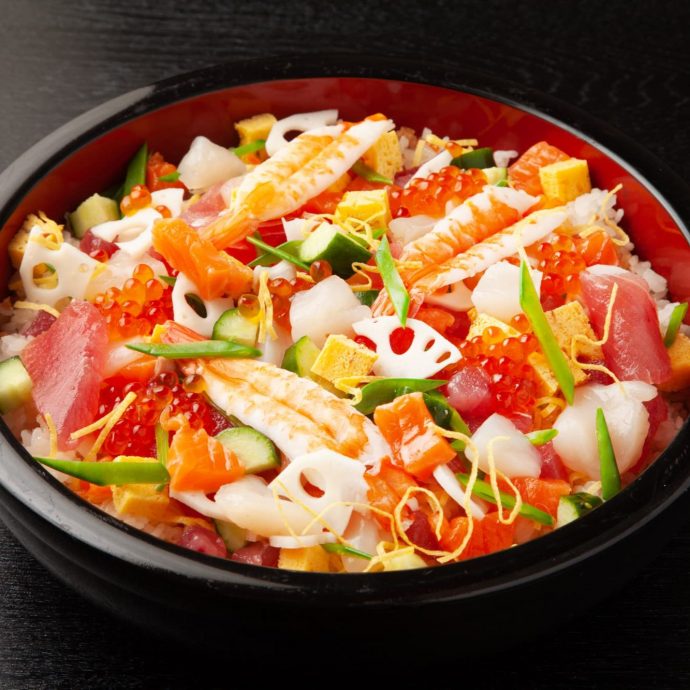
Local HighlightsOkayama barazushi is a beautifully arranged local sushi dish traditionally served on special occasions.
Gardens of the Daimyo & Mountain Strongholds
Today’s route takes you through Okayama and Takahashi, where Edo-period lords shaped elegant gardens and mountain castles.
9 a.m. - 12 p.m.
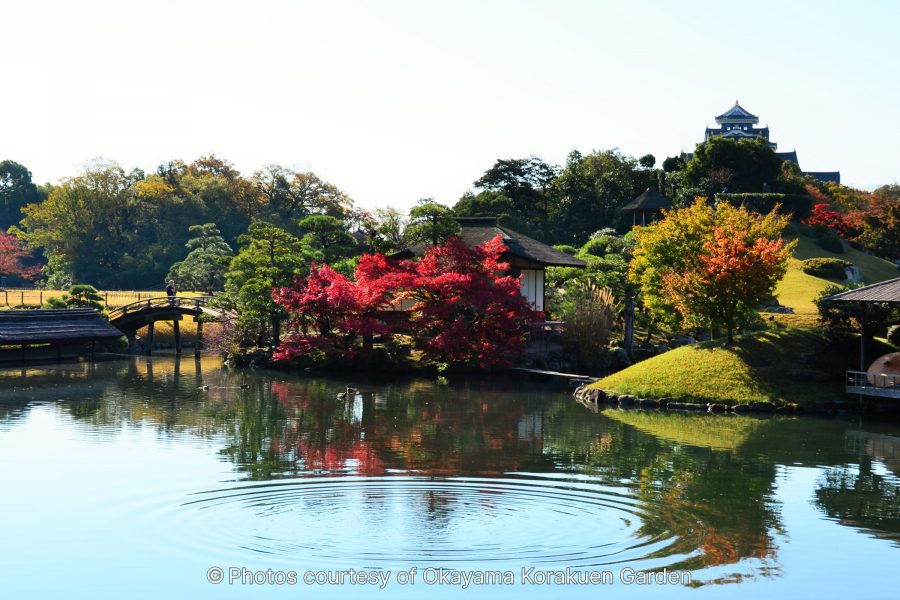
Okayama Korakuen Garden, one of Japan’s Three Great Gardens, was built as a retreat for the lords of Okayama. Its vast lawns, ponds, and teahouses are beautiful throughout the year, with blossoming flowers and autumn colors. The garden—along with nearby Okayama Castle and Okayama Shrine—remains a part of the area’s daimyo heritage.
 Local Highlights
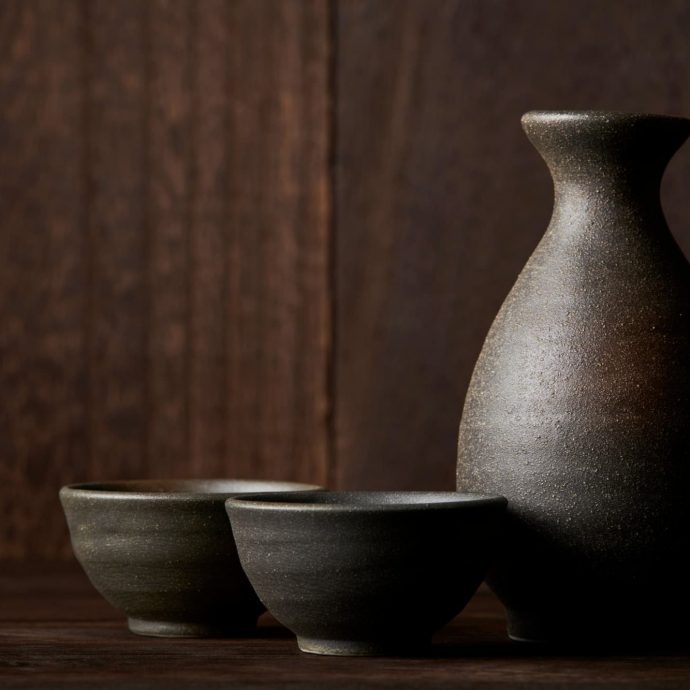
Try your hand at making local Bizen ware pottery, an ancient Japanese ceramic tradition, or sample Okayama’s famous peaches.
Approx. 1 hour 30 minutes
1:30 p.m. - 3:30 p.m.
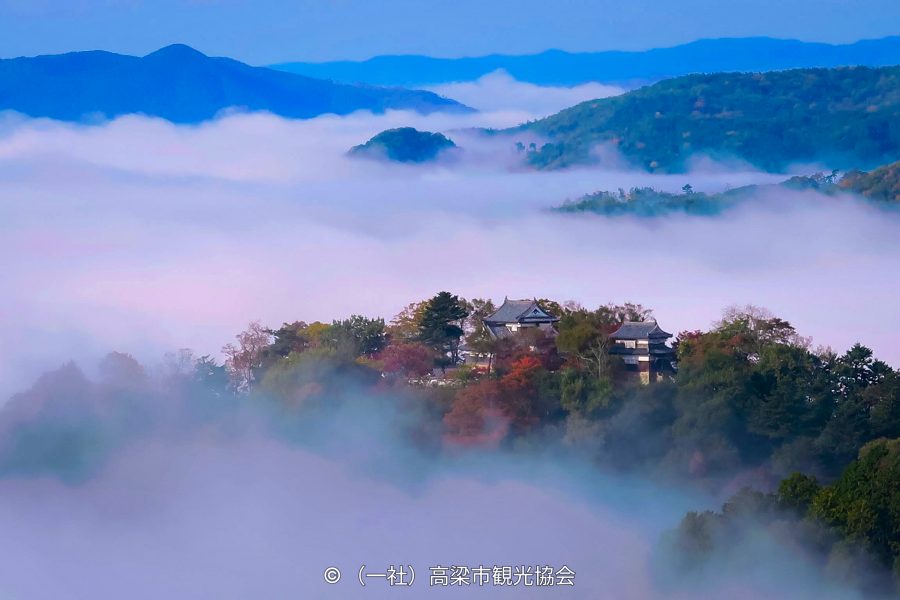
Japan’s only mountaintop castle still standing with its original keep, Bitchu Matsuyama Castle is nicknamed the “Castle in the Sky” both for its views and how it appears to float in the clouds. Off the mountain, nearby Raikyu-ji Temple is also worth a visit for its beautiful Edo period dry garden, and there are still samurai residences standing in what was once the castle town.
 Local Highlights
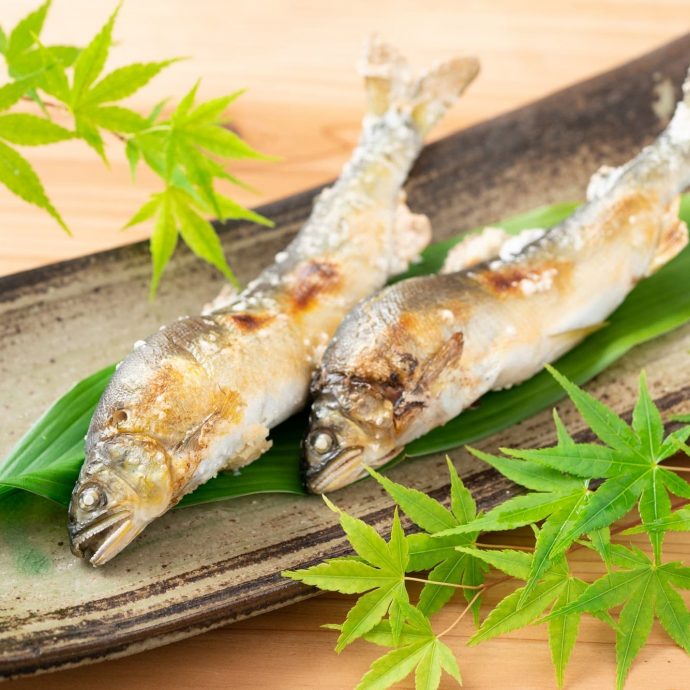
Taste the area’s seasonal ayu (sweetfish), a tasty treat from the clear streams flowing through the region.
Approx. 2 hours 45 minutes
6:15 p.m. onwards
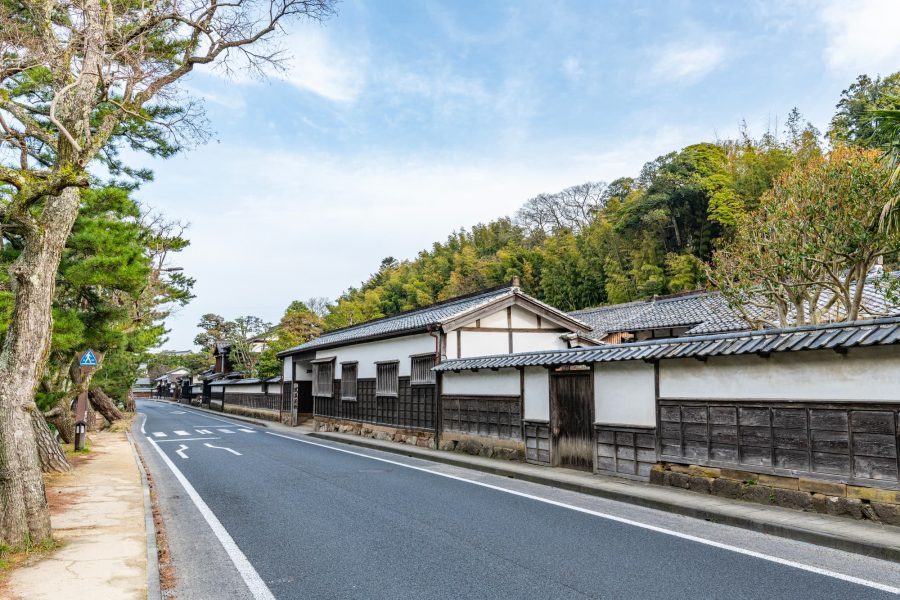
At day’s end, arrive in Matsue, a picturesque castle town known as the “City of Water,” where serene canals wind past samurai residences.
 Local Highlights
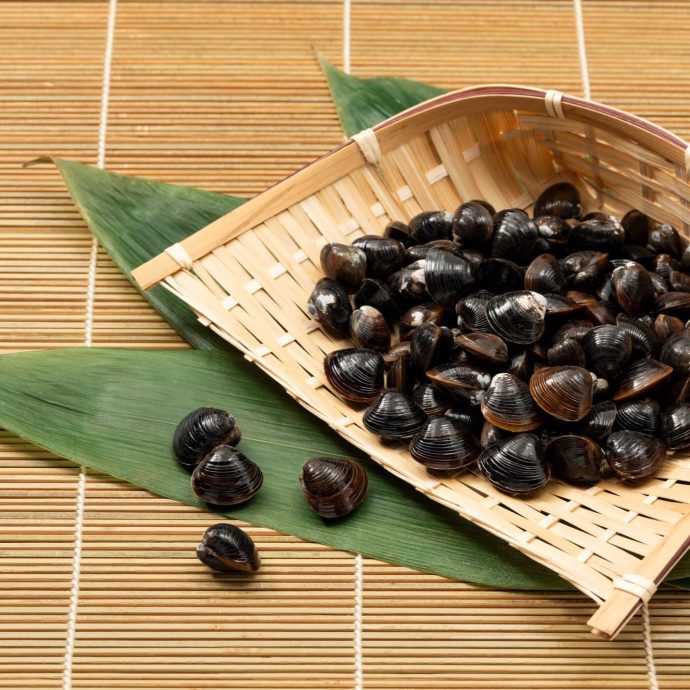
Taste the “Seven Delicacies of Lake Shinji,” a selection of prized freshwater ingredients such as fresh water clams from the brackish lake that borders Matsue.
Clear Waterways and Refined Tea Ceremony Culture
On your last day, you'll explore the rich historical heritage of the castle town of Matsue.
8:45 a.m. - 12:45 p.m.
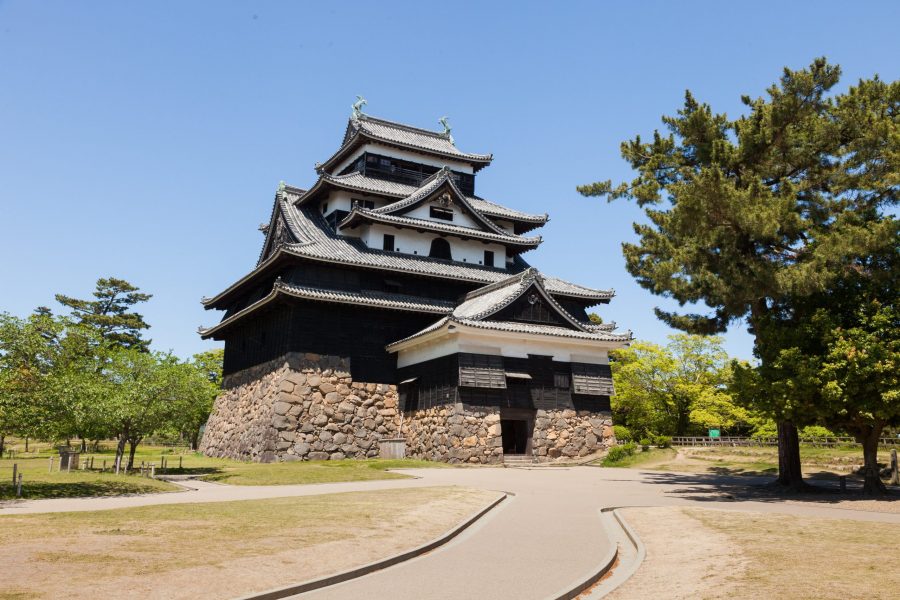
Known for its scenic canals, the castle town of Matsue is centered around Matsue Castle, a National Treasure. Much of the surrounding area has ties to the Matsue Domain’s history, too, like the Shiomi Nawate area, with its former samurai residences, and the Kanden-an tea house. Matsue is also home to the Lafcadio Hearn Memorial Museum, dedicated to the Western of Japanese culture who lived here in Matsue.
 Local Highlights
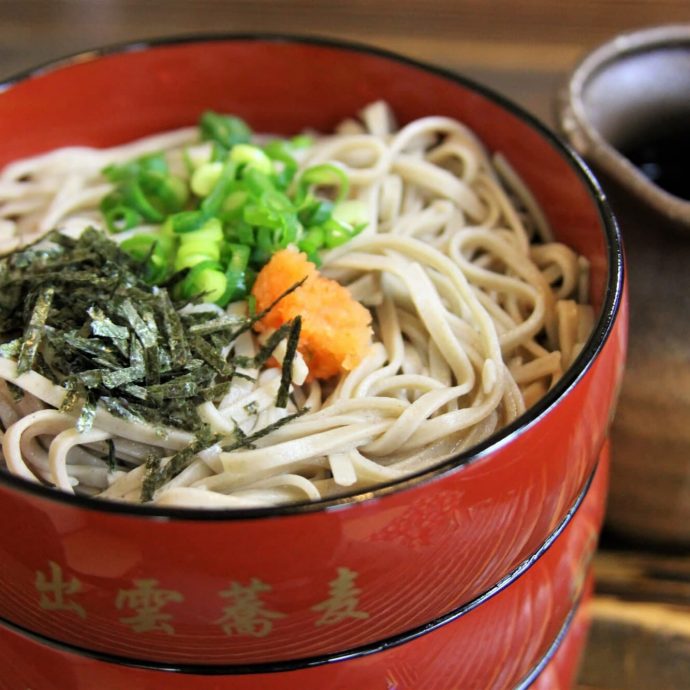
Try Izumo soba noodles and beautifully crafted wagashi sweets, or take a moat cruise or tea ceremony experience for a sense of Matsue's refined historical atmosphere.
Approx. 3 hours 5 minutes
3:50 p.m.
Approx. 3 hours 25 minutes
7:15 p.m.