ABOUT EDO
Welcome to the World of Edo
Step back in time with us to a fascinating era that shaped the Tokyo of today and much of modern Japanese culture. This was the Edo period (1603-until the resignation of Tokugawa Yoshinobu), an era of 260 years of peace under the shogun. This era fostered a vibrant culture, driven by commoners, that ultimately shaped the foundations of modern Japan.
A Glimpse into the Edo World
The Politics of the Edo Period

The Edo period's political landscape centered around the shogunate, with the shogun at its head. The Edo period is generally considered to have spanned from 1603, when Tokugawa Ieyasu became shogun, until the resignation of the 15th shogun, Tokugawa Yoshinobu.
Formally, the shogun was appointed by the Emperor, but in reality, the position was hereditary within the Tokugawa family. The Emperor wielded little political influence. The political heart shifted from Kyoto, the Emperor's home, to Edo Castle, the shogun's residence.
The shogunate controlled huge territory around Edo and elsewhere, including strategic locations such as ports and mines throughout the country.Most other territories, however, were domains known as "han," governed by feudal lords (daimyo). There were around 250 han across the country. The daimyo managed their people, and the shogunate ruled over the daimyo. This multiayered government structure was a distinguishing aspect of Edo period politics.
The "sankin-kotai" system showcased the daimyo's loyalty to the shogunate. This system required the daimyo to alternate between residing in their own domains and staying in Edo, usually on an annual or bi-annual basis, while their principal wife and heir were required to live in Edo. This constant travel and the expenses of maintaining a presence in Edo placed a heavy financial burden on each domain. Simultaneously, "sankin-kotai" facilitated the spread of Edo culture throughout the land.
The Economy of the Edo Period
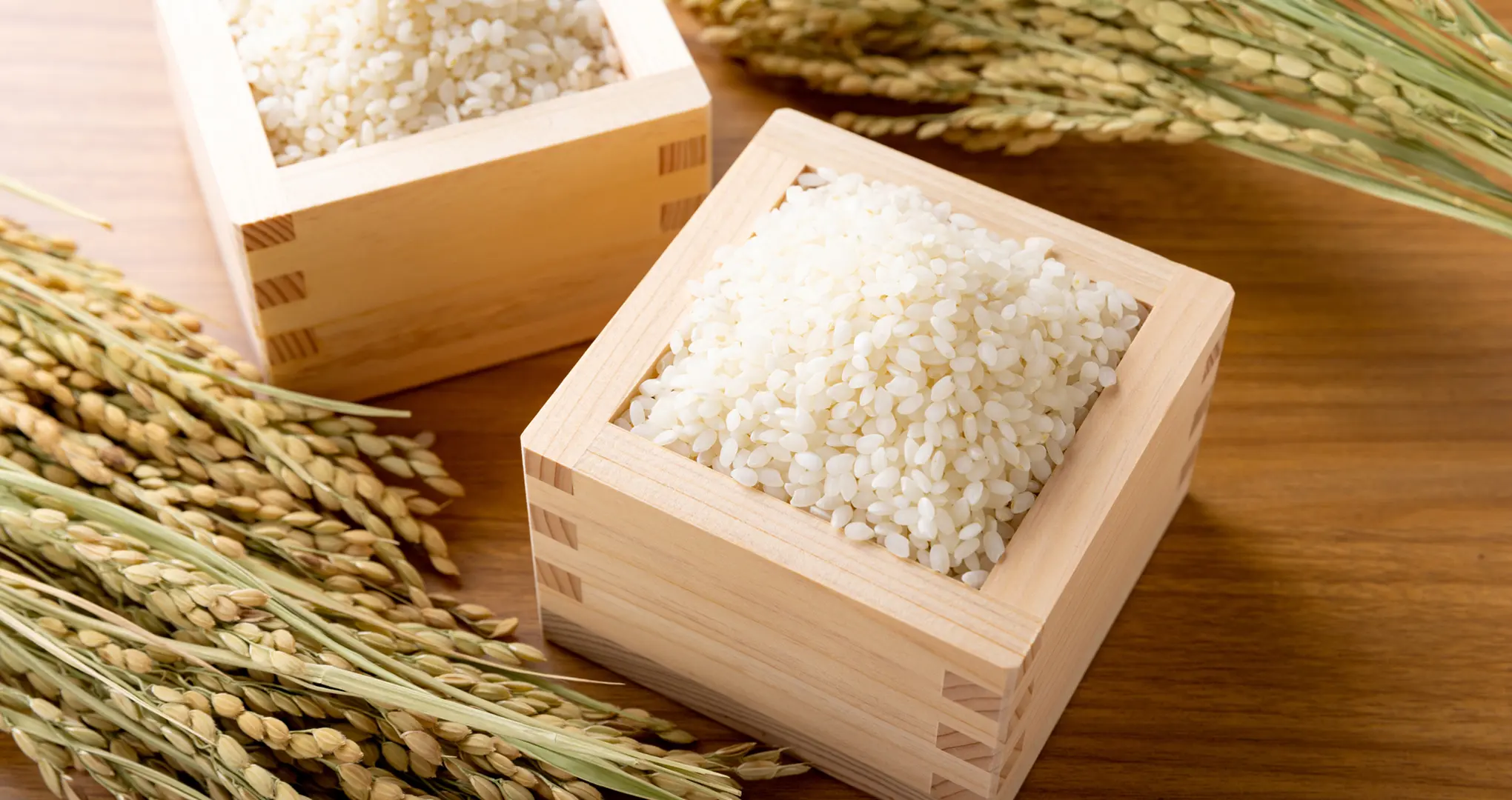
Rice was the cornerstone of the Edo-period economy. The wealth and rank of both the daimyo and the samurai class were measured by kokudaka, a system that assessed the total rice yield of their lands.
The social structure reflected this reality. The ruling samurai class made up about 10% of the population, while farmers, who primarily cultivated rice, are estimated to have comprised over 80%. These farmers paid 40% to 50% of their harvest as an annual tax known as nengu. This rice tax was the primary source of revenue for both the shogunate and the various daimyo.
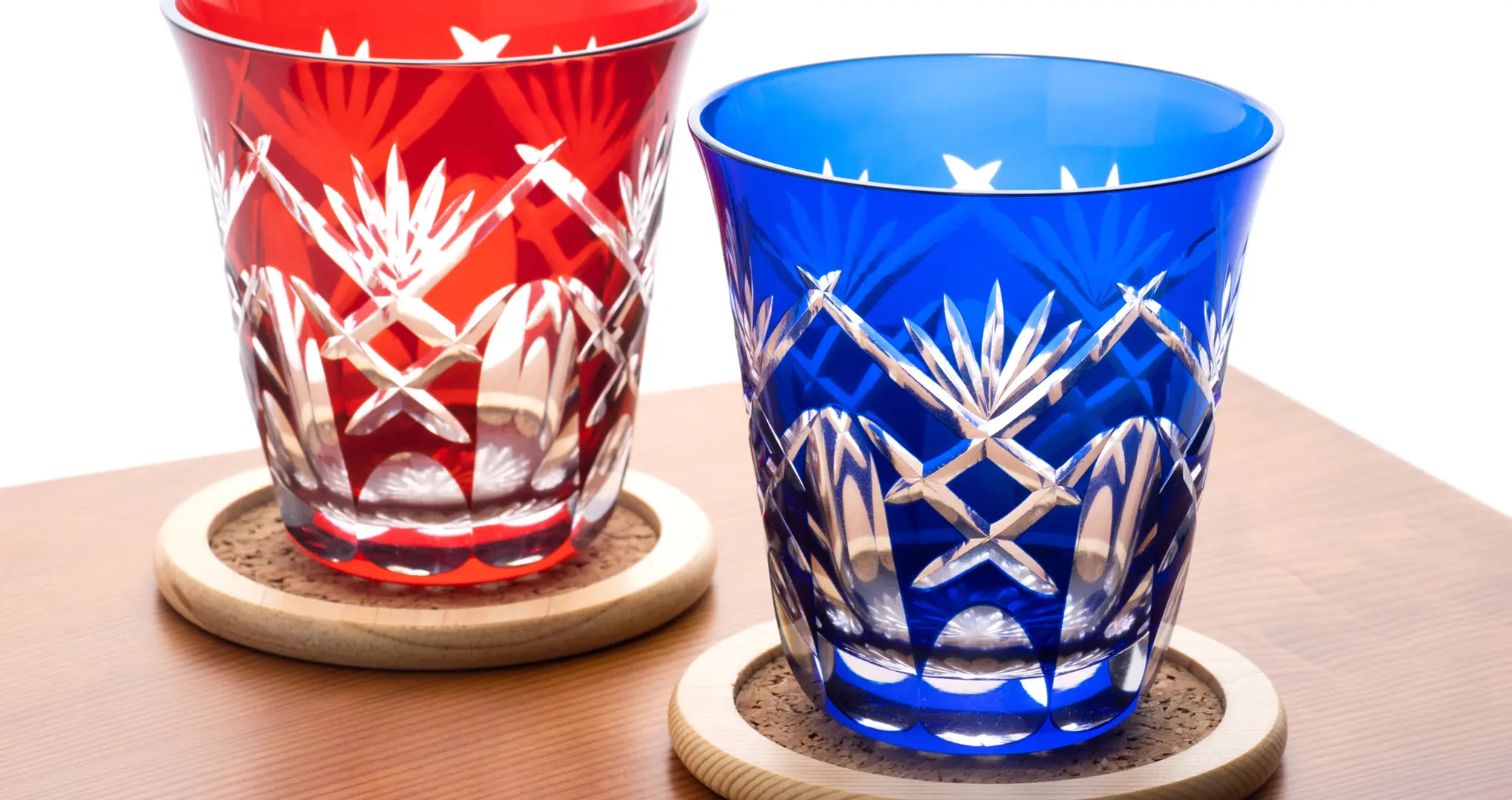
By the mid-Edo period in the 18th century, the nation's economy began to shift. Technological advancements, coupled with the development of major highways and water transport routes, spurred a thriving distribution network and the rise of a currency-based economy. As money became more prevalent, the finances of the shogunate and daimyo, who relied solely on rice tax, came under strain. In response, they attempted various reforms and accelerated efforts to cultivate industries beyond agriculture. This led to the emergence of regional specialty goods across Japan, including textiles and pottery.
The Culture of the Edo Period
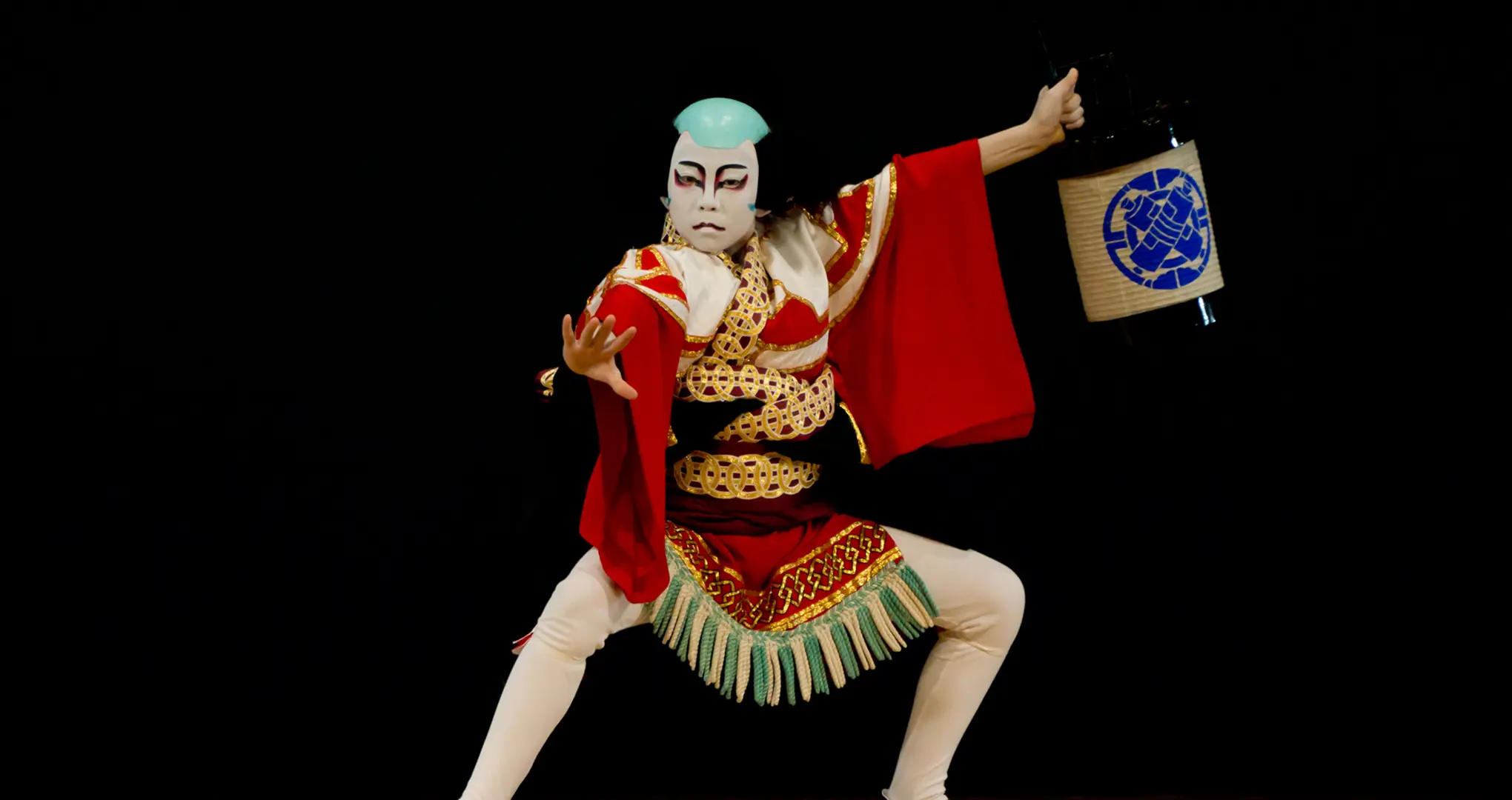
In the early Edo Period, high culture and the arts were centered in Kyoto, Japan’s traditional cultural capital, and were enjoyed primarily by the upper classes.
By the end of the 17th century, however, a significant shift began as culture became increasingly accessible to the public. Popular forms of entertainment like Kabuki theater and Bunraku puppet shows started to draw large audiences. While this cultural energy was initially centered in the Kamigata region, encompassing Kyoto and the commercial hub of Osaka, funded by wealthy merchants, the development of national highways spurred travel and allowed these cultural trends to spread across the country.
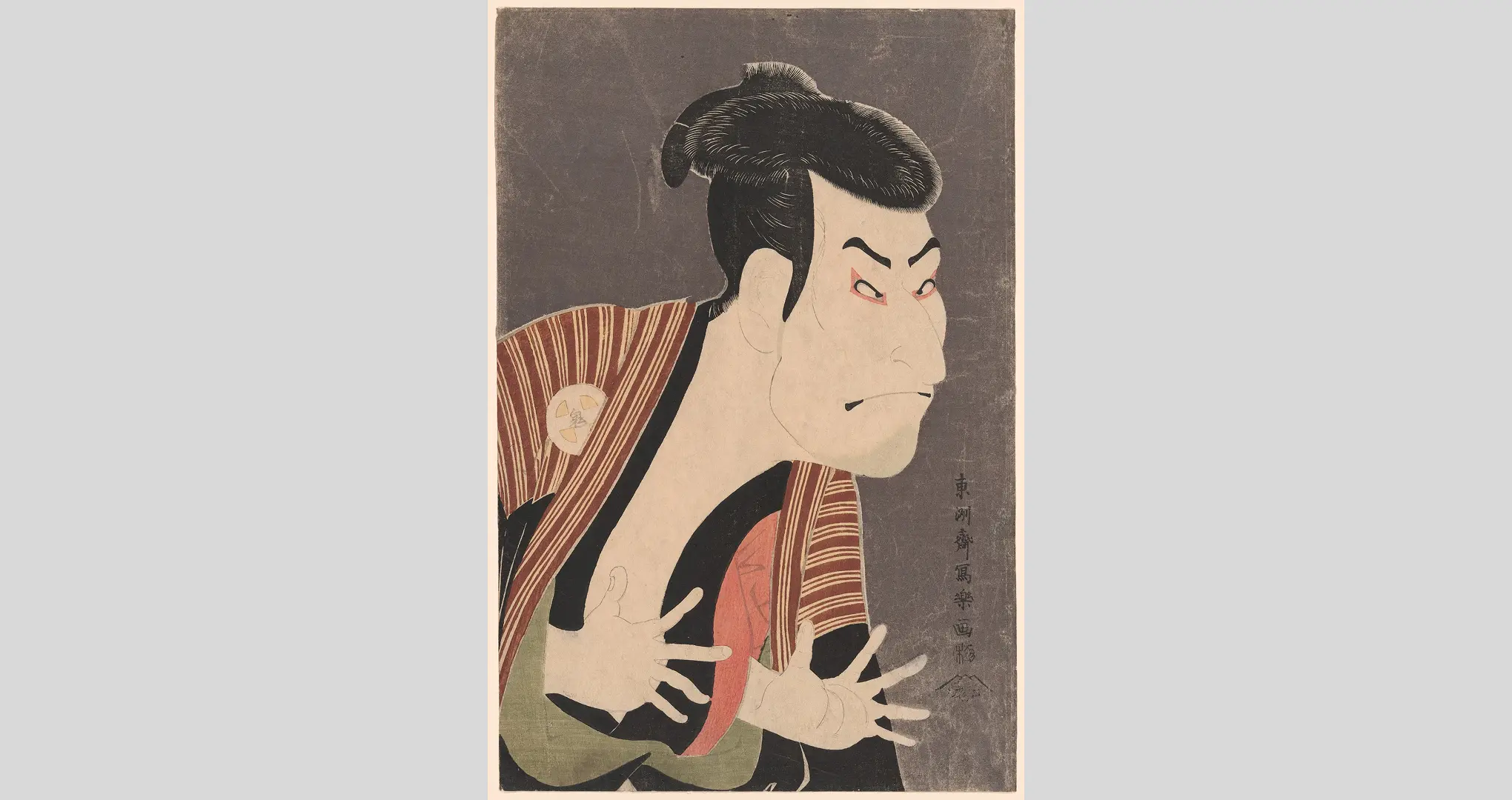
In the latter half of the 18th century, the center of cultural innovation moved to Edo. As the currency-based economy grew, wealth and people flocked to the shogun's capital, and a vibrant urban culture was born. Ukiyo-e, mass-produced as multi-colored woodblock prints, became immensely popular and were even sought after as souvenirs from Edo. At the same time, the publishing industry thrived, producing bestselling novels filled with exciting adventures and humor. This explosion of popular culture was fueled by a surprisingly high level of public literacy, thanks to the spread of education in private schools known as terakoya.
Diplomacy in the Edo Period

Edo-period diplomacy was characterized by the shogunate's control over all diplomatic matters, alongside its attempts to manage trade. Initially, the shogunate actively engaged in trade with foreign countries. However, fearing the spread of Christianity, they implemented a strict ban on the religion. This led to restrictions on foreign contact, including preventing Japanese citizens from traveling abroad.
By the mid-1600s, the shogunate had established a tight control system. Despite this, interaction with foreign countries continued, though limited. Four main channels remained: trade with the northern regions through the Matsumae Domain (Hokkaido); diplomatic relations with Joseon, facilitated by the Sō clan of Tsushima (an island near Nagasaki); trade between the Satsuma Domain (Kagoshima) and the Ryukyu Kingdom; and trade with China and the Netherlands, primarily through Nagasaki.
This system remained in place for over 200 years. It wasn't until the arrival of the Black Ships that Japan was forced to open up at the end of the Edo period. During this time, Japan experienced a period of peace and saw the development of its unique culture.
Key Moments in History: East Meets West
To give you a sense of what was happening in the wider world during Japan's period of seclusion, here’s a side-by-side look at key events. This comparison helps show just how different Japan's path was, and why its rapid modernization in the late 19th century was so remarkable.
1600
1600
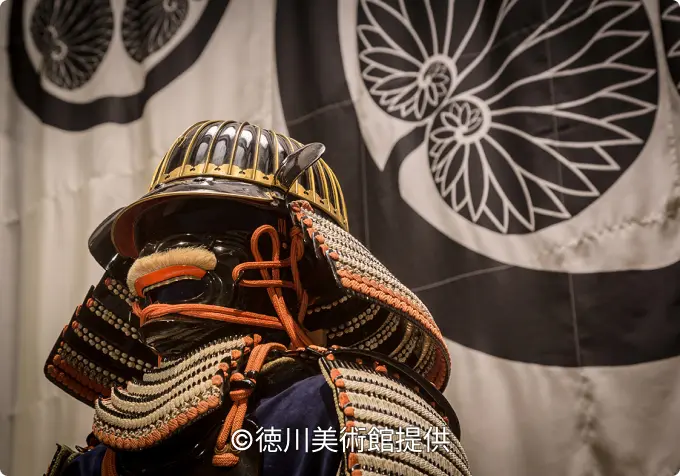
Tokugawa Ieyasu wins the decisive Battle of Sekigahara, unifying Japan.
British navigator Adams and Dutchman Jan Joosten drift ashore in Japan.
1600
England
The East India Company is established
1601
The development of the five major highways begins from Nihonbashi in Edo.
1602
Netherlands
The East India Company is established
1603
Tokugawa Ieyasu is appointed shogun, establishing the Edo Shogunate.
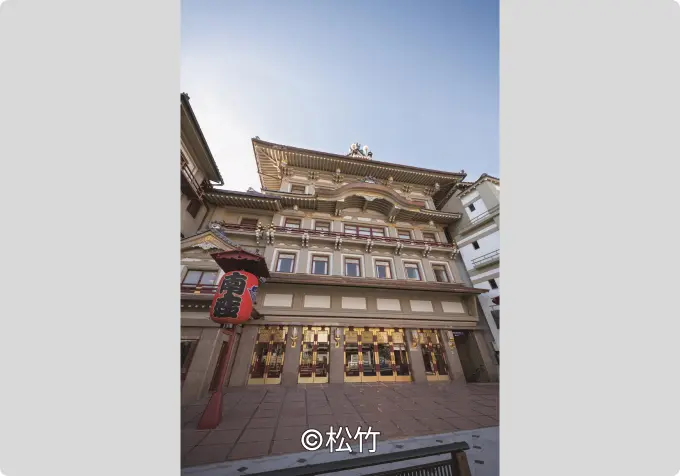
Izumo no Okuni is credited with founding kabuki at Shijo Kawara in Kyoto.
1603
England
King James I of Scotland also became King of England, establishing the Stuart dynasty.
Italy
Around this time, Caravaggio paints the "Taking of Christ."
1604
Around this time, the red seal ship trade flourished.
1605
England
Shakespeare writes his "Four Great Tragedies."
1611
Spain
Philip III presented Tokugawa Ieyasu with a clock as a token of gratitude for rescuing his subjects.
Italy
Around this time, Caravaggio paints the "Taking of Christ."
1613
Christianity is banned nationwide.
1617
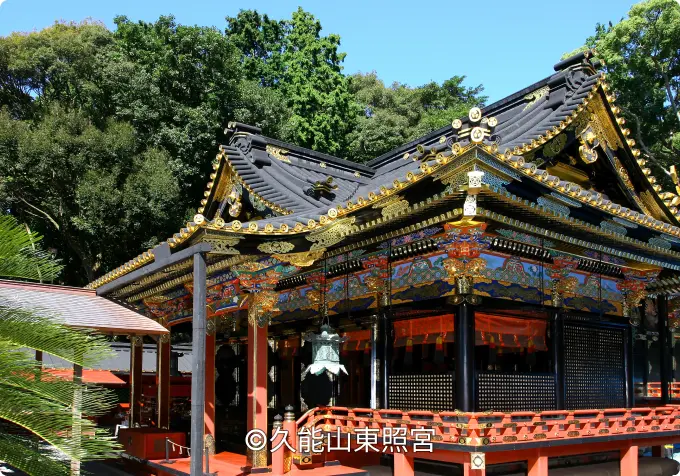
Tokugawa Ieyasu, who had died the year prior, was deified as "Tosho Daigongen," leading to the establishment of Kunozan Toshogu ShrineOpen spots page and Nikko Toshogu ShrineOpen spots page.
1618
Holy Roman Empire (Germany), etc.
The Thirty Years' War begins (until 1648)
1624
Spanish ships are banned from entering the country.
1632
Italy
Galileo Galilei wrote Dialogue Concerning the Two Chief World Systems and advocated the heliocentric theory.
1635
Tokugawa Iemitsu, 3rd shogun of the Tokugawa shogunate, bans Japanese citizens from traveling abroad or returning to Japan, ending the red-seal ship trade.
1639
Portuguese ships are banned from entering the country. (Japan's isolation policy begins)
1641
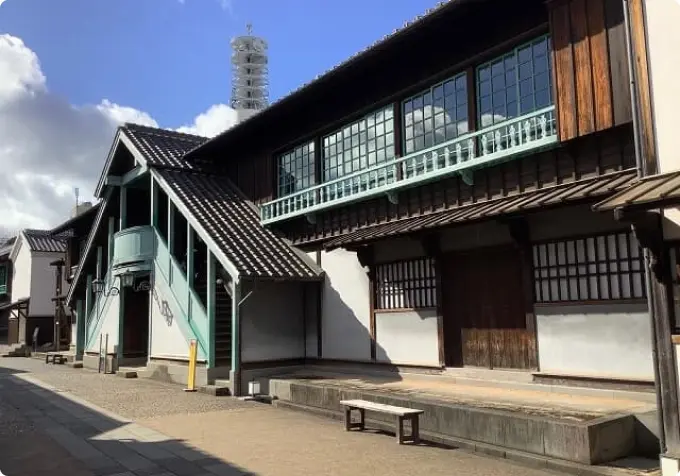
The Dutch trading post in HiradoOpen spots page was relocated to DejimaOpen spots page in Nagasaki.
1642
England
The Puritan Revolution occurred, and seven years later, it transitioned to a republic.
Australia
Abel Tasman goes on a voyage with a Dutchman and names this land "New Holland."
1650
1650
Dutchman Engelbert Kämpfer arrived in Japan as a physician at the Dutch trading post.
1660
England
Charles II ascends the throne, restoring the monarchy.
1661
France
Louis XIV's direct rule began, and the Royal Academy of Dance was established.
1671
The development of the Eastern and Western Sea Routes around this time spurred a boom in maritime shipping.
1687
England
Newton wrote the 'Principia' and published the law of universal gravitation.
1688
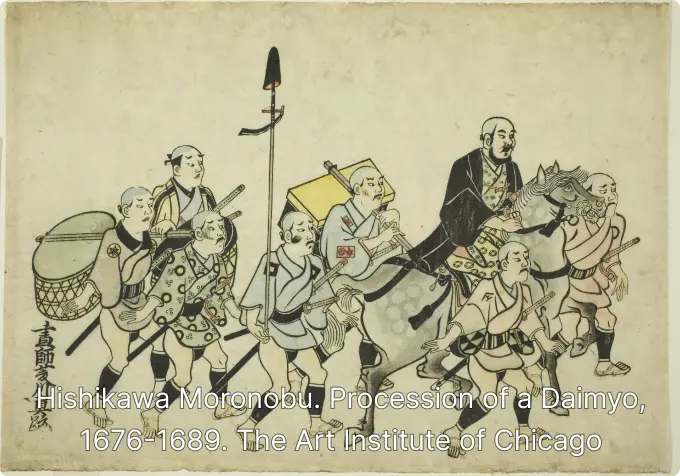
Around this time, Genroku culture flourished, particularly in the Kansai region. Haiku poems by Matsuo Basho, Bunraku (puppet theater) performances by Chikamatsu Monzaemon, and Hishikawa Moronobu's ukiyo-e prints gained fame. Meanwhile, kabuki actor Ichikawa Danjuro performed fighting scenes in Edo.
1688
England
The Glorious Revolution begins.
1700
1720
Around this time, Tokugawa Yoshimune, the eighth shogun of the Tokugawa shogunate, promoted rural revitalization and political reforms, while also easing restrictions on the import of Chinese translations of Western books.
1701
Germany
Frederick I ascends the throne. The Kingdom of Prussia is founded.
1707
England
The Kingdom of Great Britain is established.
1722
Germany
Bach completes the "Well-Tempered Clavier, Book 1"
1750
1751
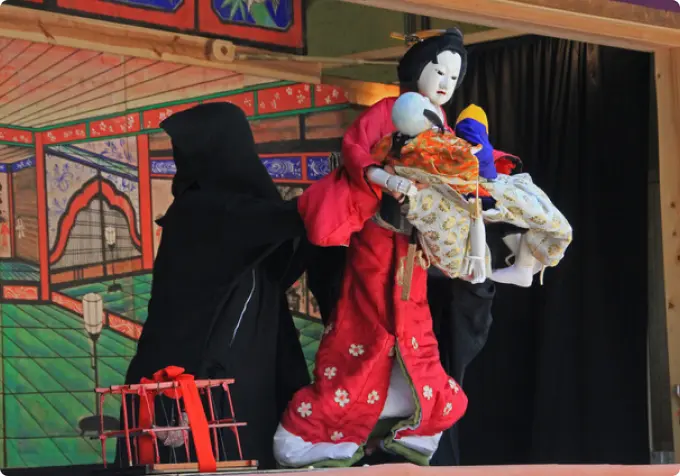
The culture of the Horeki and Tenmei eras flourishes. Puppet theater masterpieces are adapted for kabuki, and widespread publishing popularizes ukiyo-e prints by artists like Kitagawa Utamaro and Toshusai Sharaku. At the same time, the influx of Western knowledge gives rise to Rangaku (Dutch studies).
1760
England
During this period, the Industrial Revolution started to gain significant momentum.
1770
Australia
The British ship Endeavour sails into New South Wales and declares it a British colony.
1776
USA
The Declaration of Independence is signed.
1786
Austria
Mozart composes The Marriage of Figaro.
1789
France
The French Revolution begins.
1792
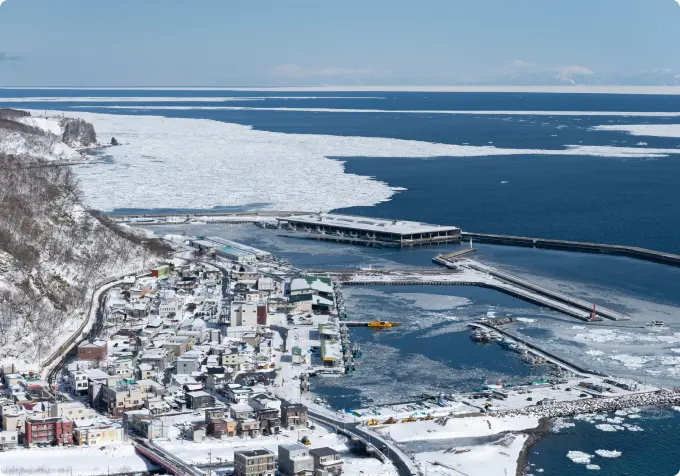
Russian envoy Adam Laxman arrives in Nemuro to request trade but is refused by the shogunate.
1800
1804
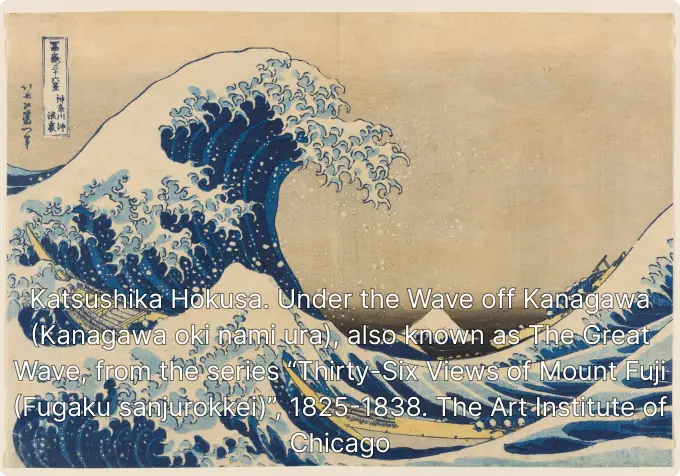
The Edo-centered culture of the Bunka-Bunsei period flourishes, popularizing the ukiyo-e prints of masters like Katsushika Hokusai and Utagawa Hiroshige.
1804
France
Napoleon I ascends to the throne, marking the beginning of the First Empire.
1824
Austria
Beethoven composes his Ninth Symphony.
1825
The Edict to Repel Foreign Vessels is issued.
1828
German physician Philipp Franz von Siebold is expelled from Japan, taking ukiyo-e prints and Japanese botanical specimens back home with him.
1830
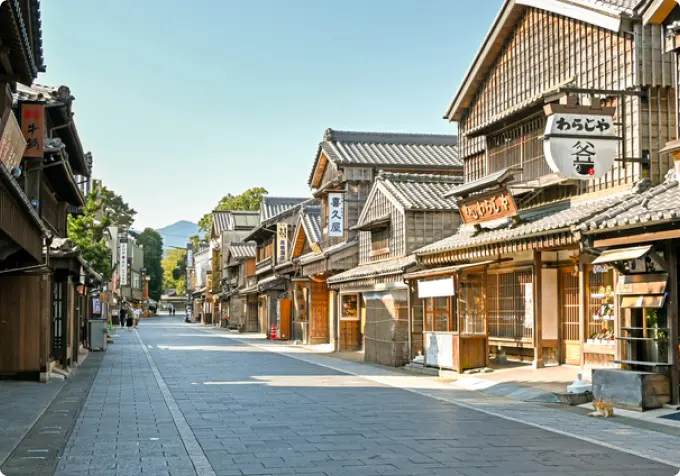
Okagemairi pilgrimages gain popularity. Approximately 5 million people visit Ise-jingu ShrineOpen spots page, bringing immense crowds to Oharaimachi (present-day Okage Yokocho).
1830
France
Delacroix paints "Liberty Leading the People."
1833
Around this time, regular sumo tournaments are established in the Ryogoku district of Edo.
1837
The shogunate faces criticism for firing upon the American merchant ship Morrison, which had come on a peaceful mission to repatriate Japanese castaways and request trade.
1837
England
Queen Victoria's Accession (until 1901)
1840
England
The Opium War begins (until 1842)
1842
While easing restrictions on foreign ships, the shogunate also begins reinforcing its coastal defenses.
1844
Netherlands
Willem II dispatched an envoy to Japan and urged the shogunate to open the country and establish trade relations.
1851
Australia
Gold was discovered near Sydney, triggering a gold rush.
1852
France
Napoleon III's accession to the throne (until 1870). The Second Empire begins.
1850
1853
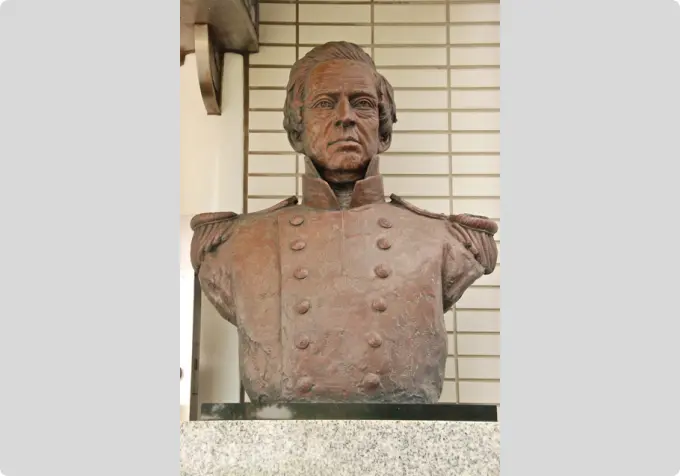
U.S. Commodore Matthew Perry arrives at Uraga and demands that Japan open its ports.
1854
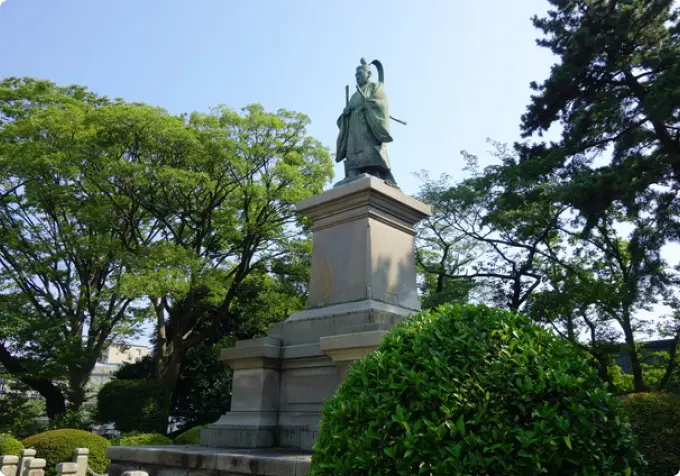
The Japan-U.S. Treaty of Amity and Commerce (Harris Treaty) is signed, officially opening Japan to the world. Per the agreement, designated ports begin to open sequentially to foreign trade.
1858
The shogunate signs commercial treaties with five Western powers: the United States, Great Britain, Russia, the Netherlands, and France.
1859
England
Darwin wrote "On the Origin of Species" and presented the theory of evolution.
1861
The Glover Trading Company is established in Nagasaki, later importing weapons used in the American Civil War.
1861
Italy
The Kingdom of Italy is established.
USA
The American Civil War begins (until 1865)
1867
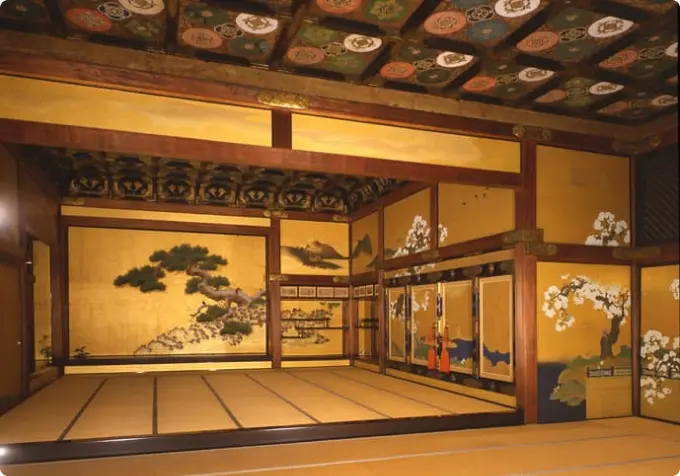
Tokugawa Yoshinobu formally returns governing authority to the Imperial Court.
1867
France
Arita wareOpen spots page and ukiyo-e were exhibited at the Paris Exposition, attracting significant attention.
1868
The Boshin War begins, sparking fierce battles across the country, particularly in the Tohoku region, country, particularly in the Tohoku region.