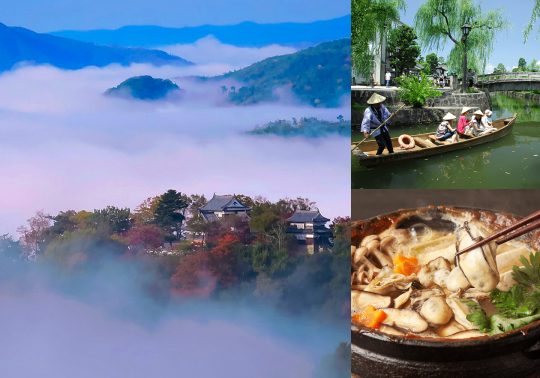
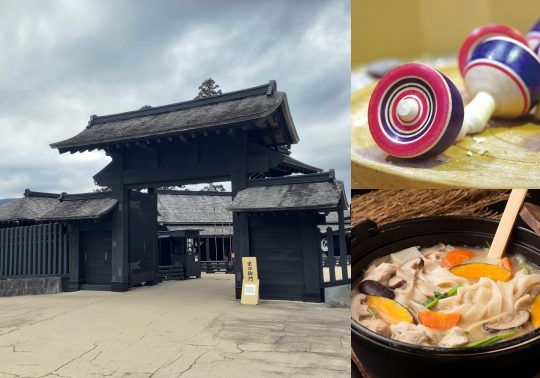
Enter the World of the Shoguns at Edo Castle and Kan’ei-ji Temple
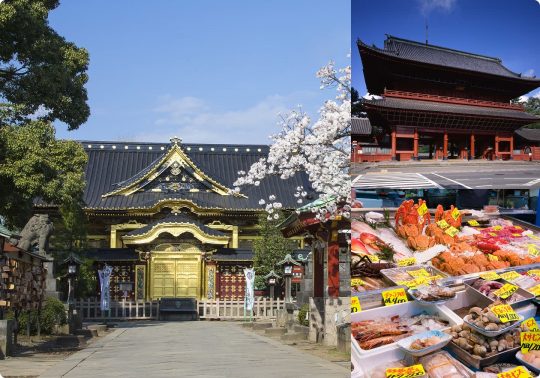
The great unifier of Japan and founder of the Edo Shogunate, Tokugawa Ieyasu, was born in present-day Okazaki, Aichi Prefecture, and drew his final breath at Sumpu Castle in Shizuoka, leaving a legacy of grand castles and more across the Tokai region. Its largest city, Nagoya, was the castle town of the Owari branch of the Tokugawa family, one of the Gosanke. It was a lively stop for travelers on the Tokaido road between Tokyo and Kyoto and pilgrims to the sacred Ise Shrine in the Edo period and continues to be a vital transportation hub to this day.
History
From his birthplace to his final resting place, learn about Tokugawa Ieyasu, the shogun who laid the foundation for the Edo period, and the influential Owari Tokugawa clan that presided over central Japan.

Culture
Explore the culture of everyday people making the famed O-Ise Mairi pilgrimage, exquisite traditional crafts, and historic post towns.

Food
Explore how Hatcho Miso, originating in the eastern Aichi Prefecture, became the cornerstone of Tokai's cuisine. You will learn about the history of this unique soybean miso and understand its essential role in the region's signature dishes.

The Final Years of the First Shogun, Tokugawa Ieyasu
Begin your journey through Tokai at the site of one of the Tokugawa's grand castles, and visit Ieyasu's mountaintop resting place.
8:30 a.m.
Approx. 1 hour 15 minutes
9:45 a.m. - 12:15 p.m.
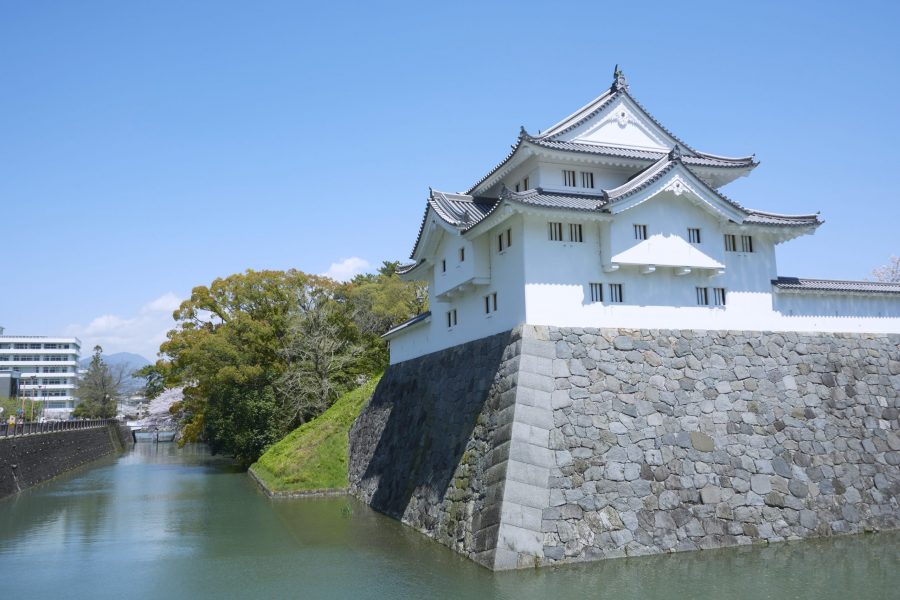
Sumpu Castle in the heart of Shizuoka City had one of the grandest castle keeps in Japan before it was lost to fire, and is where Tokugawa Ieyasu spent his retirement years. The grounds are now an attractive park with a traditional-style garden and more to explore. Beyond the park you’ll find the Shizuoka City Museum of History, and the lavish Shizuoka Sengen Shrine that was long patronized by the Tokugawa family.
 Local Highlights
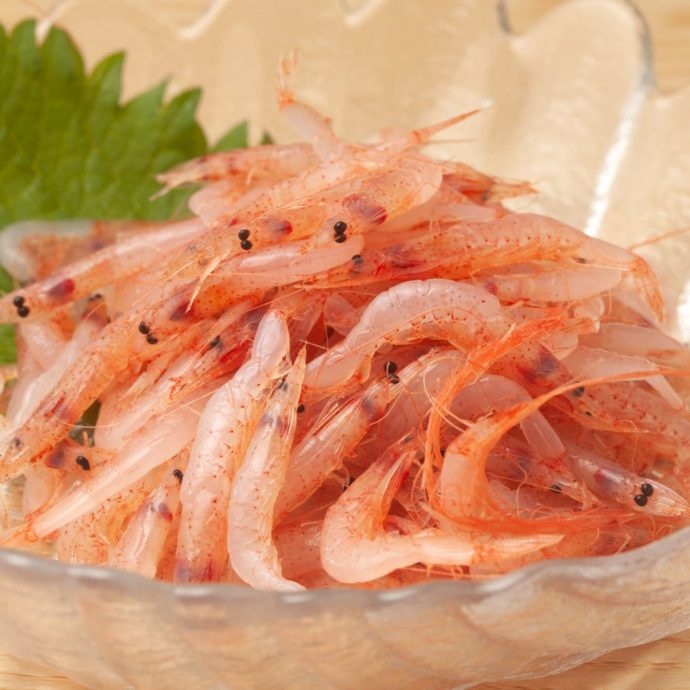
Renowned as one of Japan's leading tea-producing regions, Shizuoka is the ideal place to sample local brews. For lunch, savor the fresh bounty of Suruga Bay, famous for its delicate sakura ebi (cherry shrimp) and shirasu (whitebait). You’ll also find exquisite Suruga Bamboo Ware, a finely crafted local art that makes a beautiful souvenir.
Approx. 1 hour 5 minutes
1:20 p.m. - 2:30 p.m.
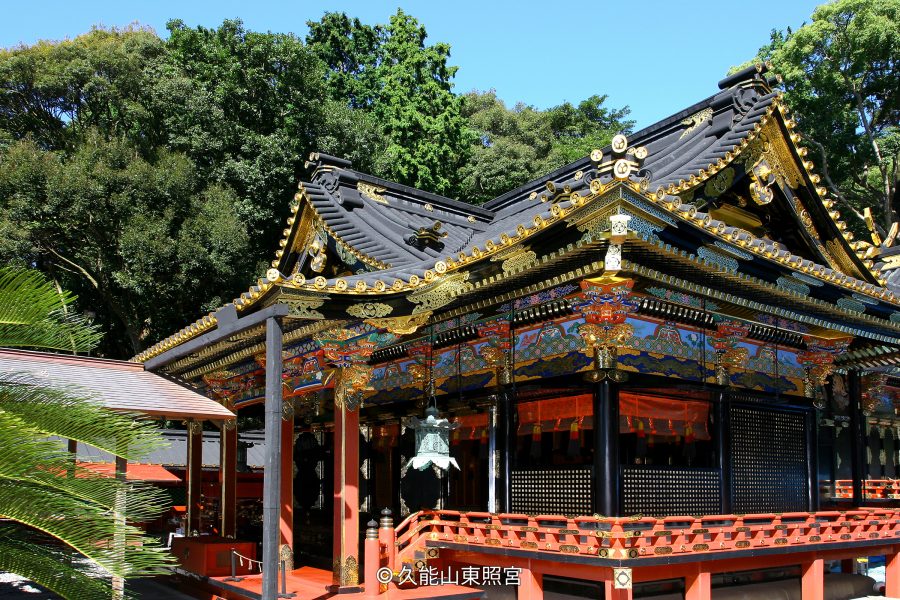
Kunozan was chosen by Ieyasu to be his final resting place in his will. His successor, Hidetada, built the lavishly ornate shrine to enshrine Ieyasu after his death. Perched atop Mt. Kuno, it’s worth a visit for the stunning views of Suruga Bay alone.
Approx. 1 hour 30 minutes
4:00 p.m.
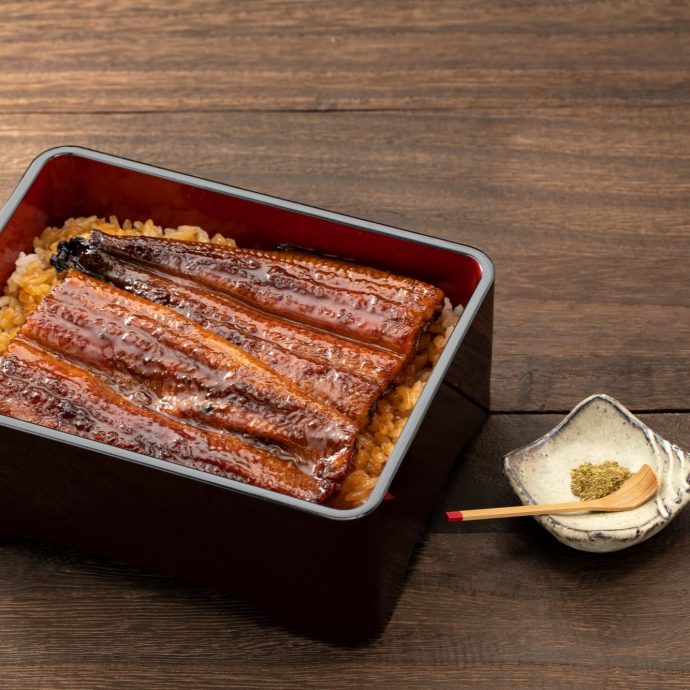
Local HighlightsNo visit to Hamamatsu is complete without sampling the local unagi (eel). While the practice became widespread in the late 19th century, it is now a deeply rooted and celebrated culinary tradition. Grilled over charcoal in sweet soy sauce glaze, it’s hailed as a natural stamina booster.
The Young Ieyasu
On day two, explore sites connected to Tokugawa Ieyasu's early life before indulging in the vibrant culinary scene of Nagoya, central Japan's largest city.
9:00 a.m.
Approx. 15 minutes
9:15 a.m. - 10:30 a.m.
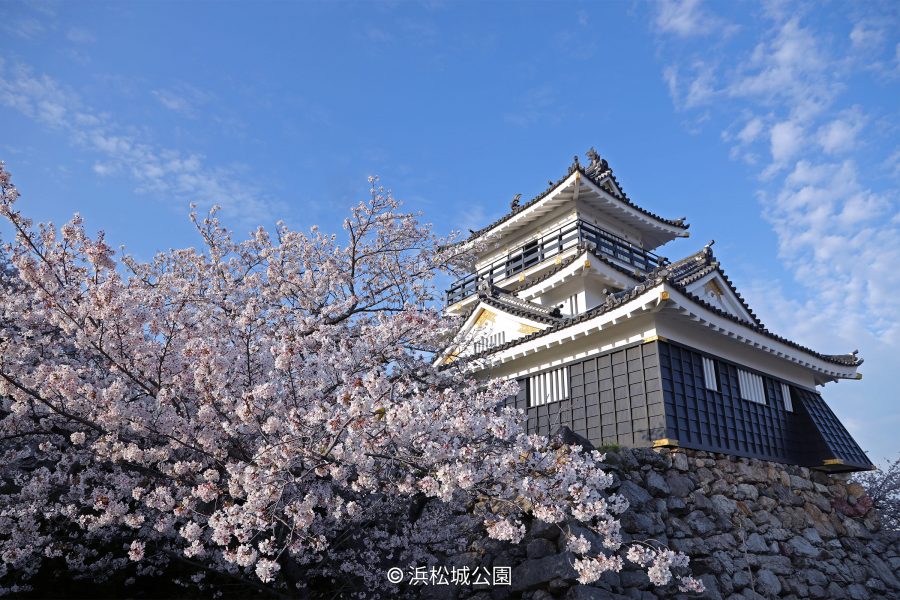
Hamamatsu Castle is where Ieyasu spent his formative years. The current structure is a reproduction of the original. Inside, you can explore the Edo period through exhibits of armor, weapons and historical artifacts, and take in sweeping views from the top. Afterward, take a leisurely stroll through the grounds and stop by Shoin-tei, where visitors can participate in a tea ceremony experience.
Approx. 2 hours
12:30 p.m. - 4:30 p.m.
Okazaki Castle is the birthplace of Tokugawa Ieyasu. The museum in the reconstructed castle keep houses a collection of historical artifacts and features a projection theater for an immersive glimpse into the Edo period. In Okazaki Park, you’ll find statues of Ieyasu and the must-see Mikawa Samurai and Ieyasu Museum. The area is also home to other shrines and temples connected to the shogun’s life.
 Local Highlights
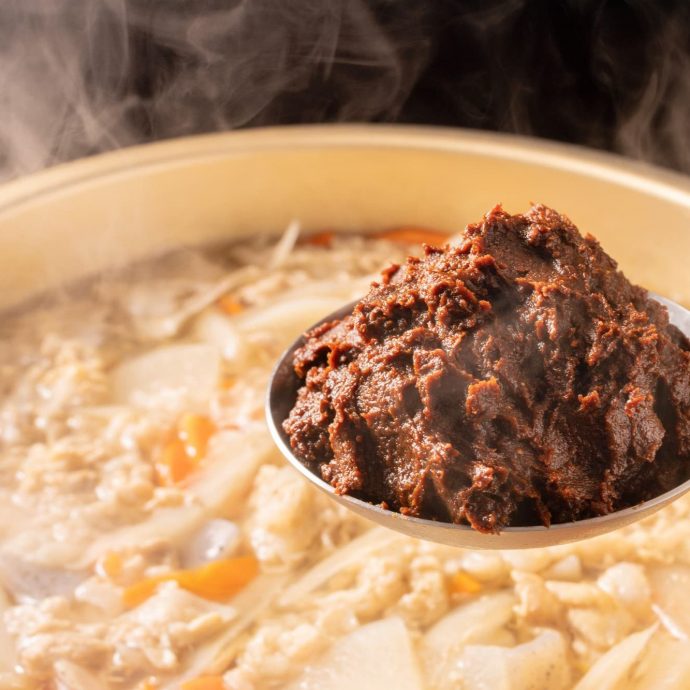
Okazaki is also the birthplace home of Hatcho miso—a rich, dark, red variety that defines much of the Chukyo region’s cuisine. It is said to have been used fuel samurai on campaign. You can take a tour of a traditional miso brewery still producing it the old-fashioned way in Hatchokura-dori, the old miso-making precinct.
Approx. 45 minutes
5:15 p.m. onwards
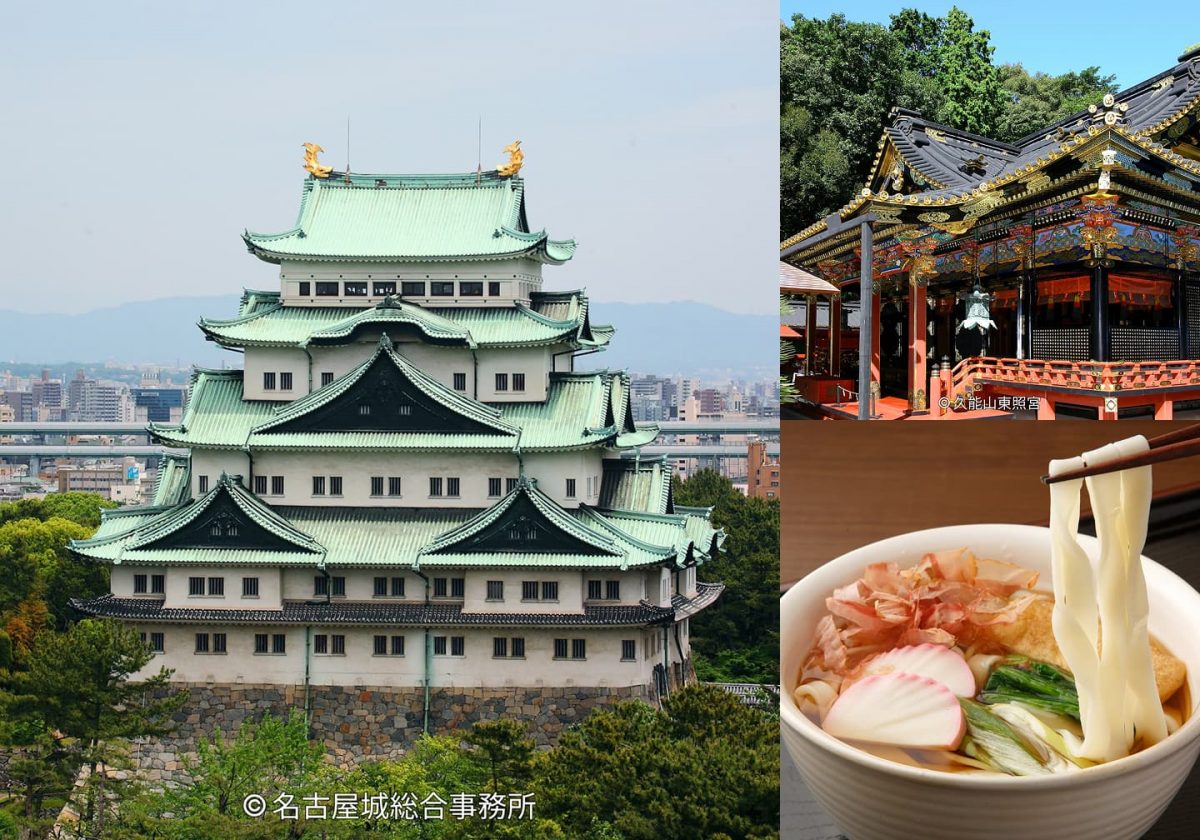
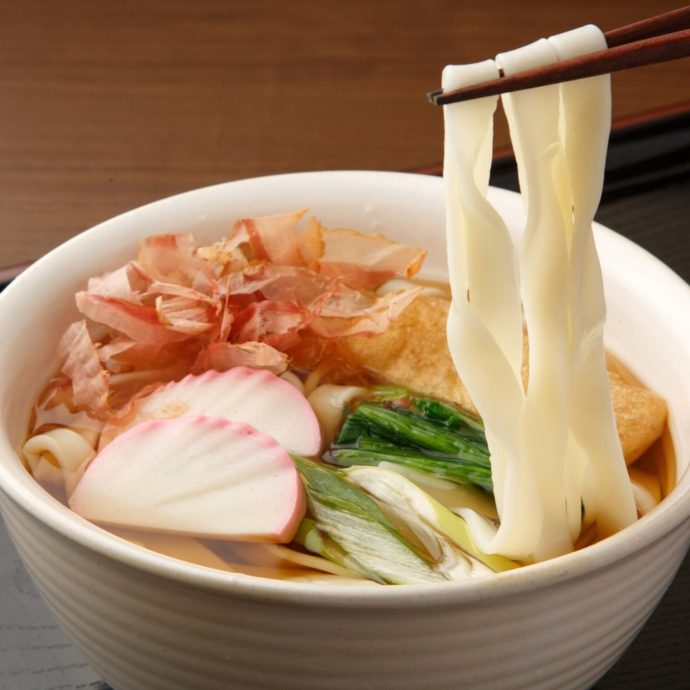
Local HighlightsCentral Japan's biggest city has a way of putting its own mark on traditional dishes, so sampling the local fare while you’re there is a must. Slurp up a bowl of flat, wide, kishimen noodles, or try hitsumabushi-- grilled eel on rice that is designed to be eaten in three different ways during the meal.
The Evolution of Nagoya: From a 'Go-san-ke' Castle Town to a Post Town
Explore Nagoya, which flourished as the castle town of the Owari Domain, one of the Three Great Houses, and then journey to the Tokaido post town of Seki-juku to wander through yesteryear.
9 a.m.
Approx. 15 minutes
9:15 a.m. - 1 p.m.
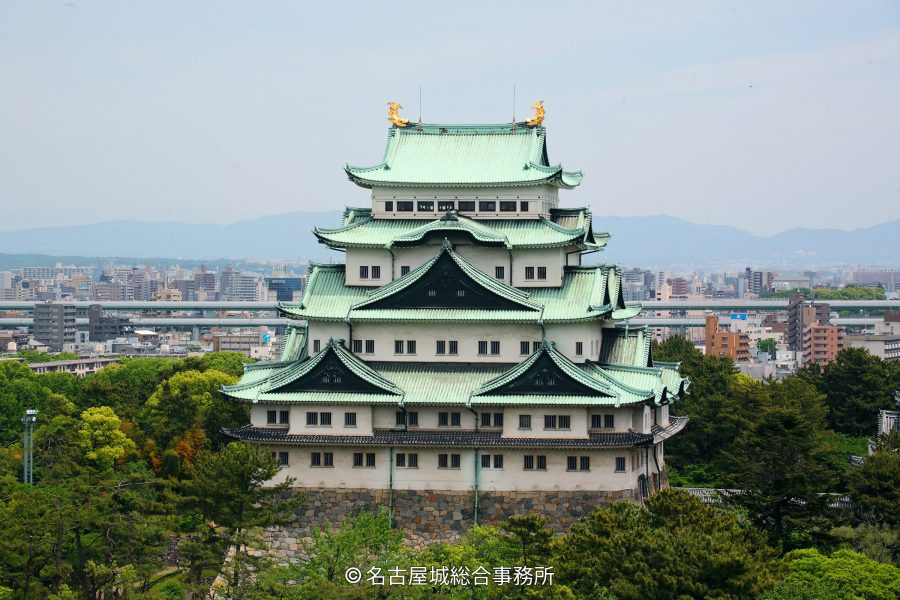
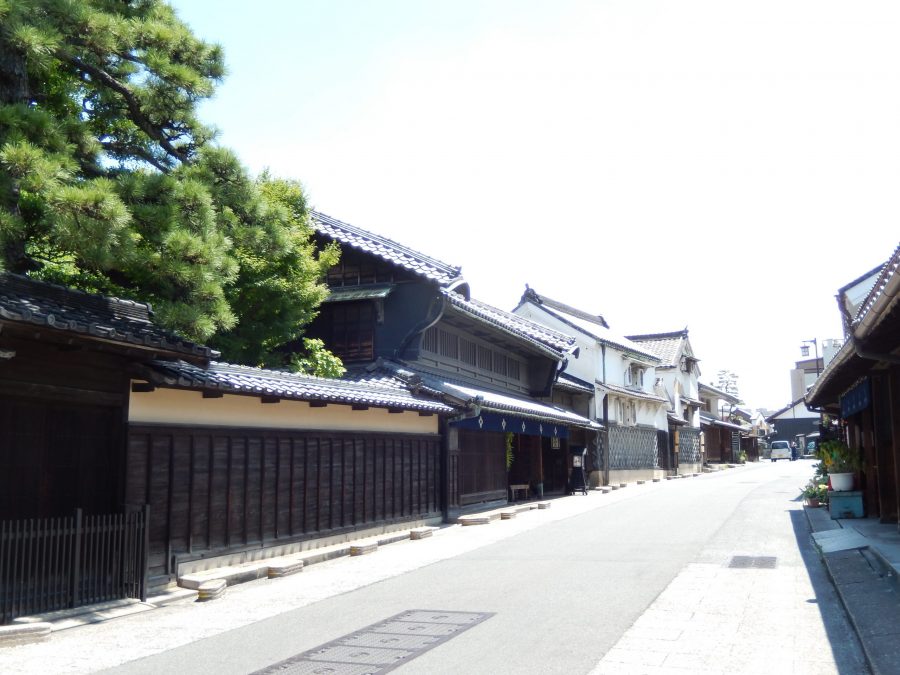
Topped with a pair of golden tiger-fish, the majestic Nagoya Castle is one of the most recognizable symbols of Tokugawa rule. The original structure was completed under Ieyasu and later became the center of Owari Tokugawa power. Other places of interest around the city include the Tokugawa Art Museum, which houses clan treasures, and Atsuta Shrine. Further afield, consider visiting the historical quarter of Arimatsu, home to a traditional tie-dyeing industry that developed under Owari Tokugawa patronage.
 Local Highlights
Arimatsu’s workshops offer classes in the local tie-dyeing technique, so get creative and make your own colorful reminder of your journey!
Approx. 1 hour 30 minutes
2:30 p.m. - 3:45 p.m.
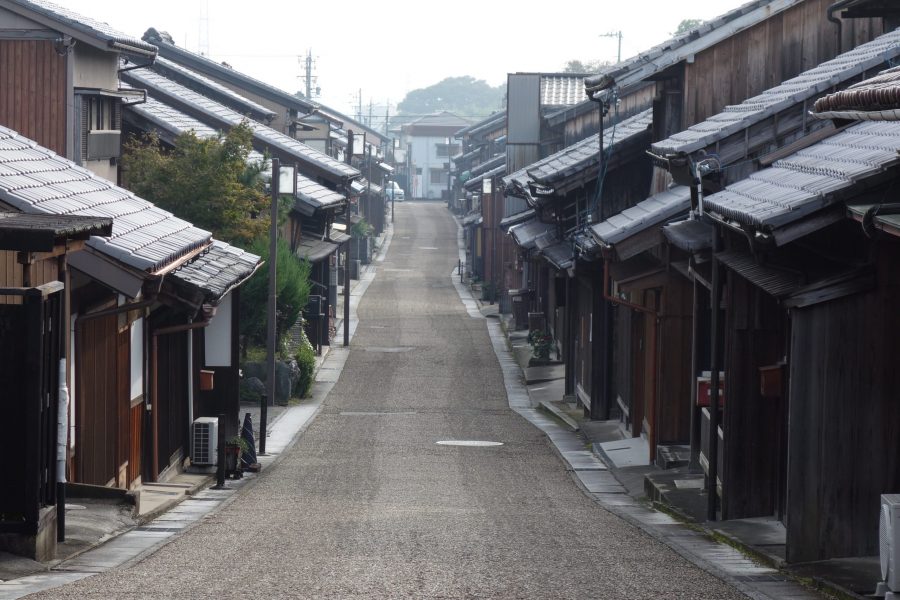
Seki-juku, the 47th post town along the Tokaido road, flourished due to its location at the crossroads of several major routes including the road to Ise Shrine. With beautifully preserved Edo- and Meiji-period townhouses, today it stands as a remarkable time capsule of life on Japan’s roads. While you’re there, visit the town’s museums, take a craft workshop, and sample famous local sweets that have sustained travelers since the Edo period.
Approx. 2 hours 15 minutes
6 p.m.
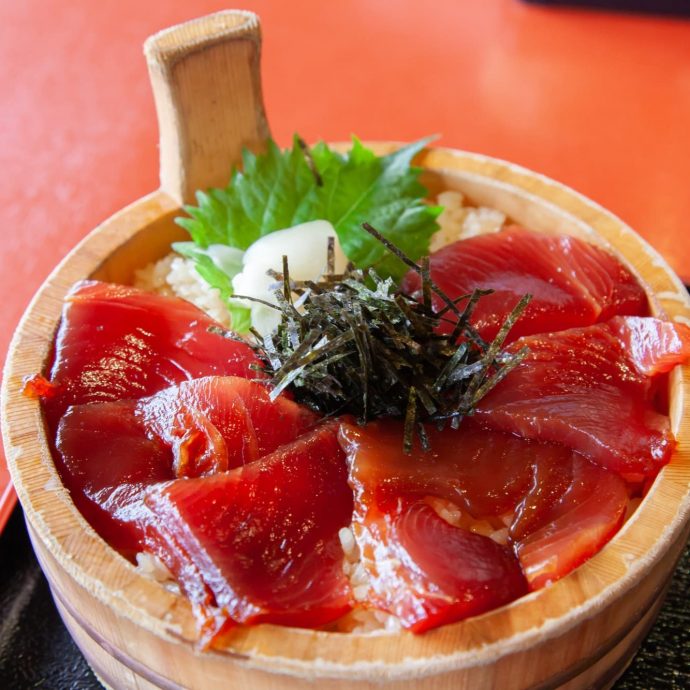
Local HighlightsLocated in Mie Prefecture, blessed with abundant seafood, this area was once a "Miketsu-kuni" province, providing food to the imperial court since ancient times. When you visit, don't miss the local specialty, "Tekone Sushi." Legend has it that it started when fishermen would quickly prepare their fresh catch on their boats, mixing the ingredients by hand to enjoy a meal.
The Eternal Path to Ise Jingu Shrine
Day 4 leads you to Ise Jingu, the destination of countless Edo pilgrims. After visiting the grand shrine and nearby attractions, board the express train for a relaxing journey back to Nagoya and on to Tokyo.
9 a.m. - 10:45 a.m.
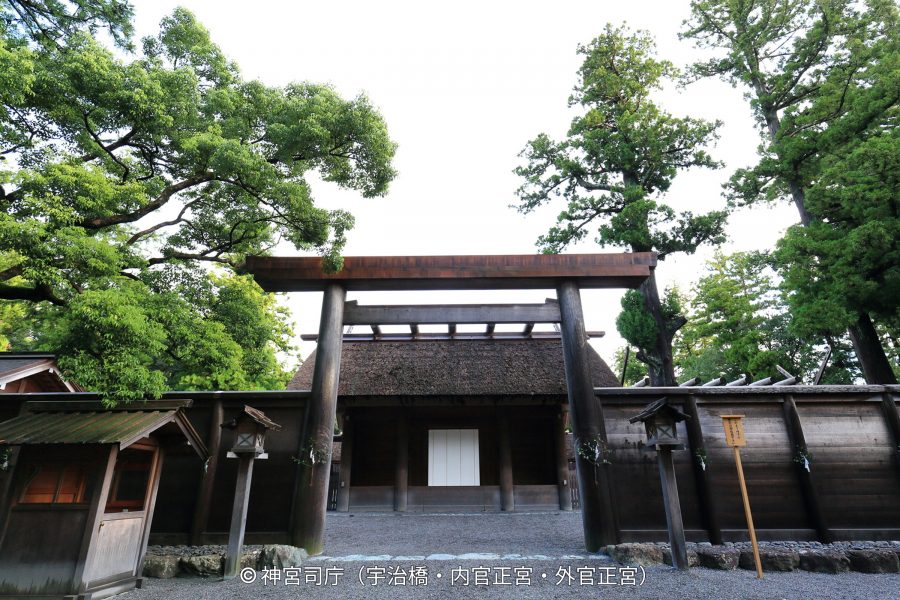
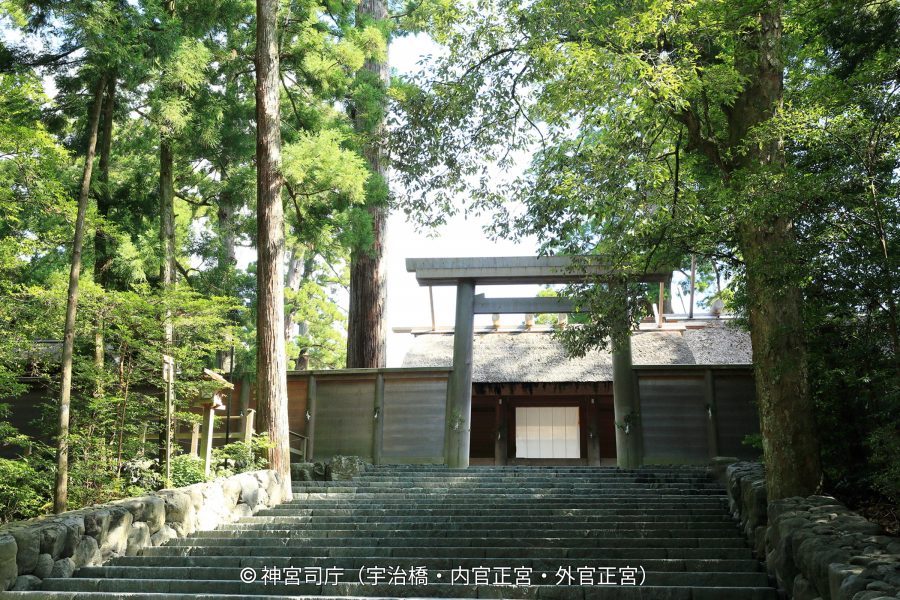
Ise Jingu is a vast, sprawling complex of some 125 shrines, with the two main halls (the Inner and Outer Shrines) located several kilometers apart from each other. It is customary to pay your respects to the Outer Shrine first.
Approx. 15 minutes
1 p.m. - 4 p.m.
The Inner Shrine is dedicated to Amaterasu, a prominent deity in Japanese mythology. It’s reached via an 800-meter cobblestone approach lined with traditional shops, some of which have stood for generations, offering souvenirs and local treats. About halfway along lies Okage Yokocho, a charming district that recreates the atmosphere of an Edo period town.
 Local Highlights
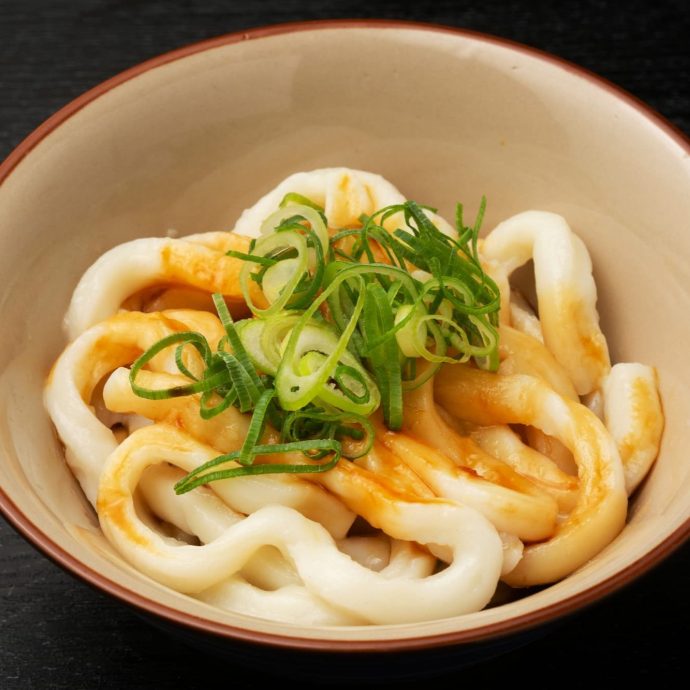
After a morning of sightseeing, nothing satisfies quite like a bowl of Ise udon. A staple food of pilgrims in the Edo period, these thick, chewy noodles are served with a dark soy-based sauce rather than the broth of regular udon. For an even more authentic experience, don an Ise cotton kimono from one of the town’s rental shops and visit the shrine in traditional style.
Approx. 15 minutes
4:15 p.m.
Elegance on the Rails
Make the journey back an experience by taking the premium limited express train that operates between Ise to Nagoya. The luxurious carriages ensure a memorable ride as you watch the countryside fly by through panoramic windows.
Approx. 1 hour 15 minutes
5:45 p.m.
1 hour 45 minutes
7:30 p.m.