Hirado
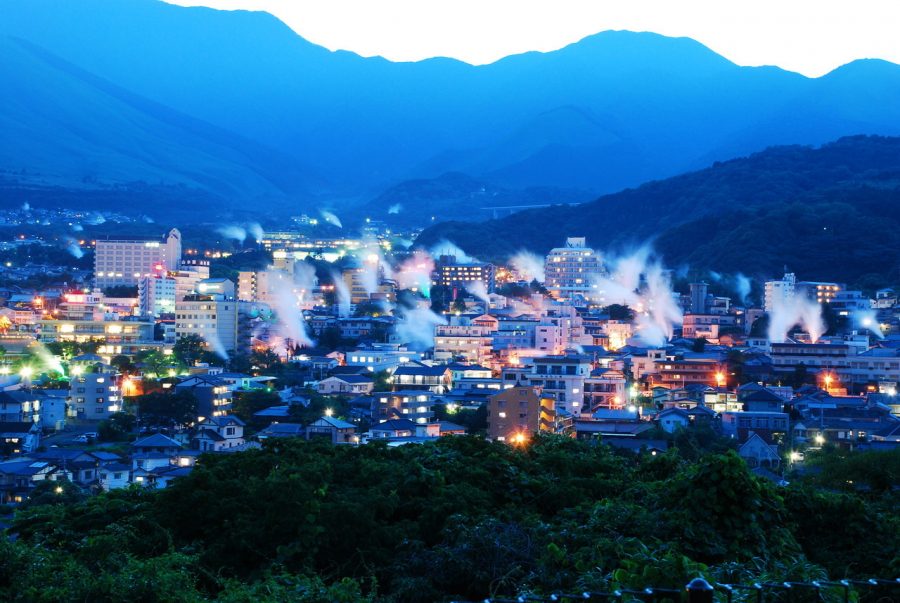
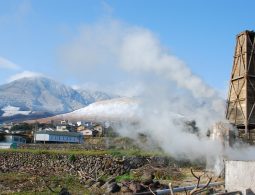

One of the most famous hot spring resorts in Japan, which was opened in ancient times and flourished in the Edo period
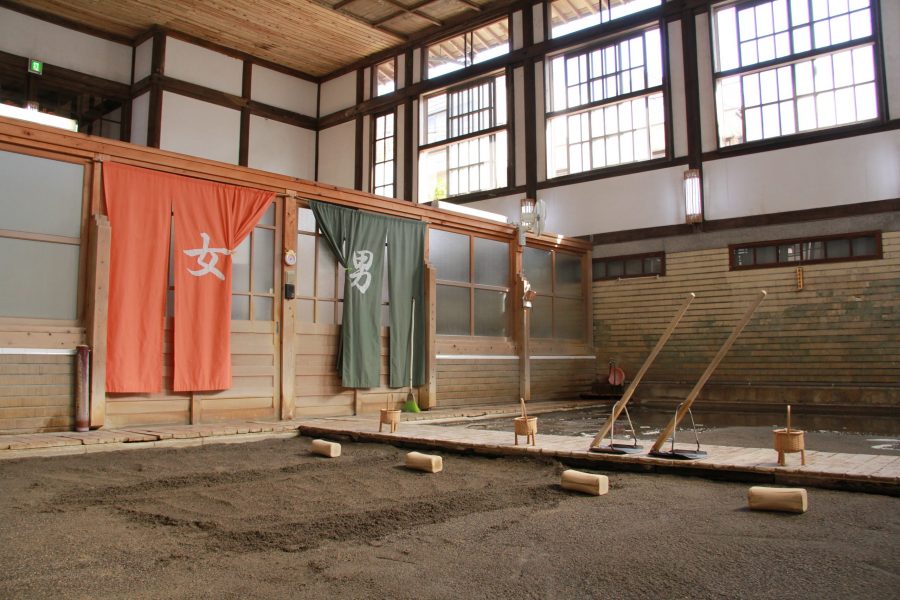
A hot spring where you can experience sand baths, a traditional bathing method practiced in Beppu since the Edo period
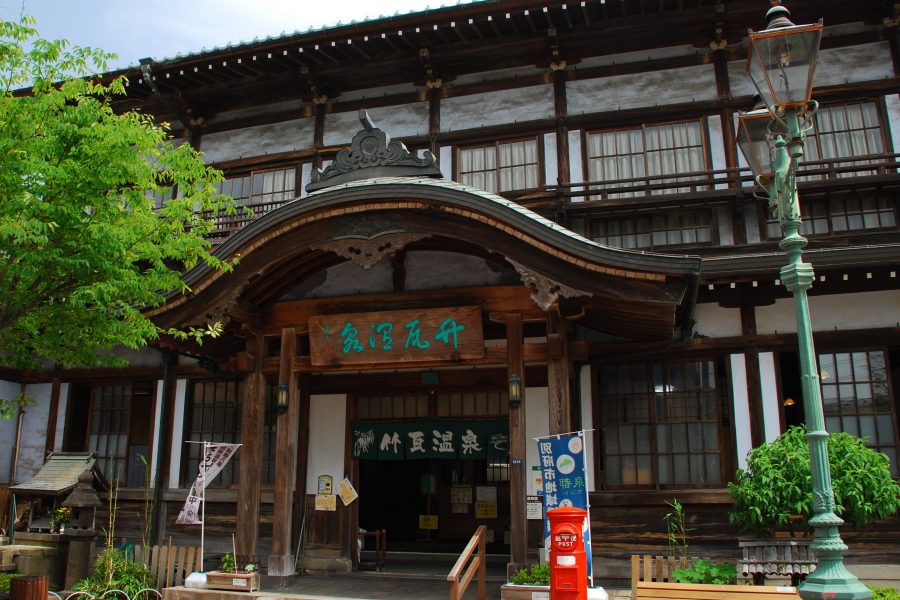
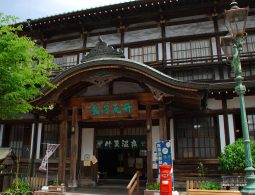
Relax in Takegawara Onsen, characterized by its wooden and tiled bathhouse, which was built in 1938
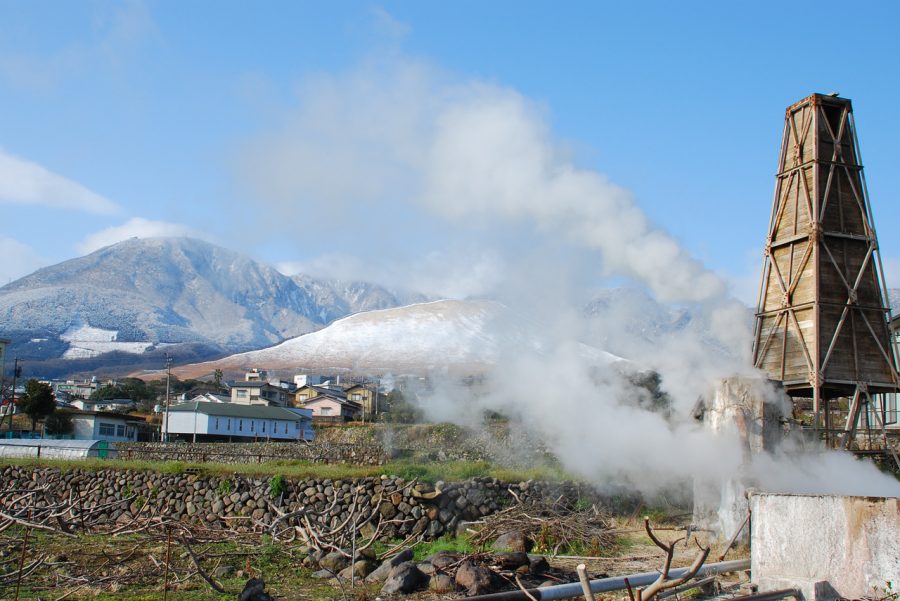
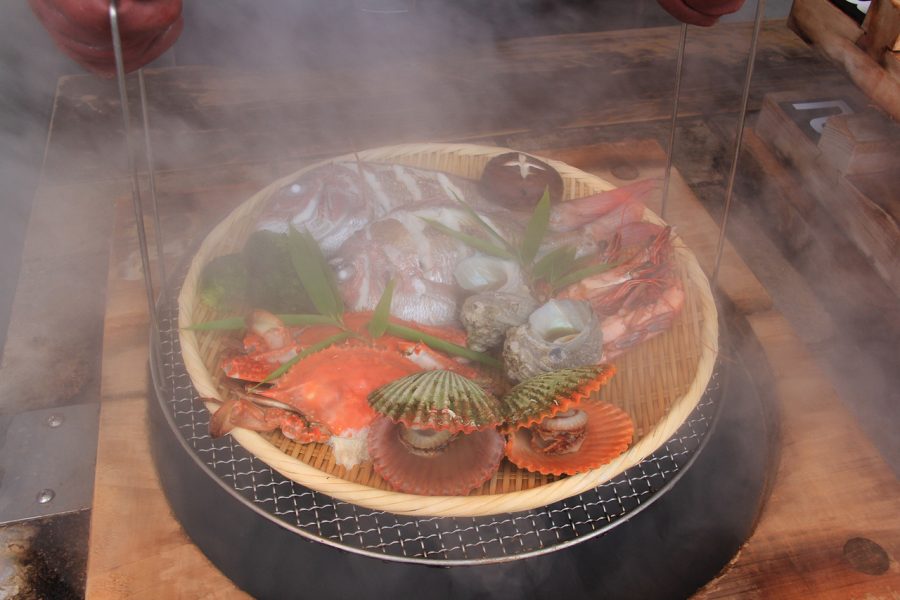
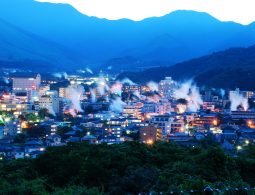
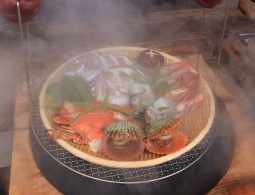
Beppu has been a well-known hot spring resort since ancient times, and it was a popular spot for therapeutic baths during the Edo period. It was a vital stop for travelers and often ranked high in the popular onsen banzuke (hot spring guides). Beppu has approximately 2,800 hot spring sources, from which columns of steam constantly rise. The city is divided into eight distinct districts, collectively known as Beppu Hatto, with each district featuring distinct mineral compositions, bathing houses, and character. A prominent attraction is the “Hell Tour” (Jigoku Meguri), a circuit of seven hot springs (the 7 hells) that are primarily for viewing rather than bathing, demonstrating the raw power of geothermal activity. Visitors can also indulge in distinctive culinary experiences, such as Jigoku Mushi (hell-steamed cuisine), and explore diverse bathing options, ranging from traditional steam baths to historical public bathhouses like Takegawara Onsen.
To experience the traditional bathing methods of Beppu Onsen, try visiting Takegawara Onsen. Takegawara Onsen, later founded in 1879 during the Meiji era, carries on this centuries-old therapeutic bathing culture that flourished during the Edo period in the hot spring town of Beppu in Oita Prefecture. Named for the bamboo-tile roof of its original structure, the current bathhouse is a magnificent wooden and tiled building constructed in 1938. It is instantly recognizable by its grand karahafu (curved gable) roof and high-ceilinged lobby.
The signature visitor experience at Takegawara Onsen is the traditional bathing method known as sand bathing. Clad in a yukata, guests lie down on warm sand while attendants gently cover them with sand heated by the natural hot spring water beneath the ground. The experience is relaxing and therapeutic, and a uniquely local way to enjoy Beppu’s famous geothermal energy. If you prefer a more conventional soak, though, there are regular hot spring baths as well.
|
Address |
16-23 Motomachi, Beppu City, Oita |
|---|---|
|
Access from Tokyo |
(1) From Tokyo Station, take the Tokaido/Sanyo Shinkansen Nozomi to Kokura Station (approx. 4 hr 41 min). (Approx. 1 hr 40 min by flight from Haneda Airport to Oita Airport)
(2) At Kokura Station, transfer to the Limited Express Sonic to Beppu Station (approx. 1 hr 12 min). |
|
Website |
|
|
Official SNS Accounts |

|
For the latest information regarding facility operating hours, please check the official website.
Last updated: Jan. 20th, 2026