The Osaka Museum Of Housing and Living
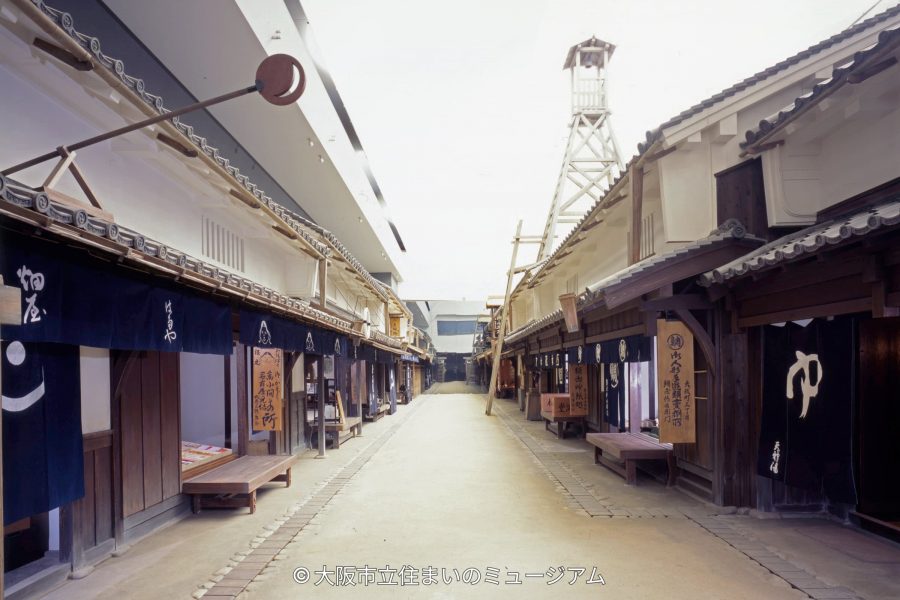
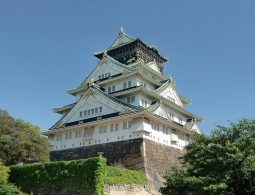

Discover the life of Toyotomi Hideyoshi (a warlord who ruled Japan before the Edo shogunate) through detailed exhibits and dioramas
Enjoy breathtaking panoramic views of Osaka City from the castle keep
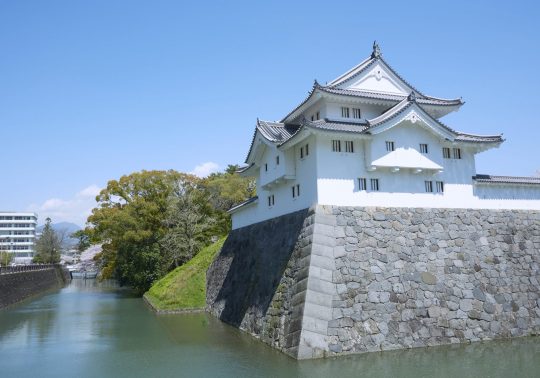
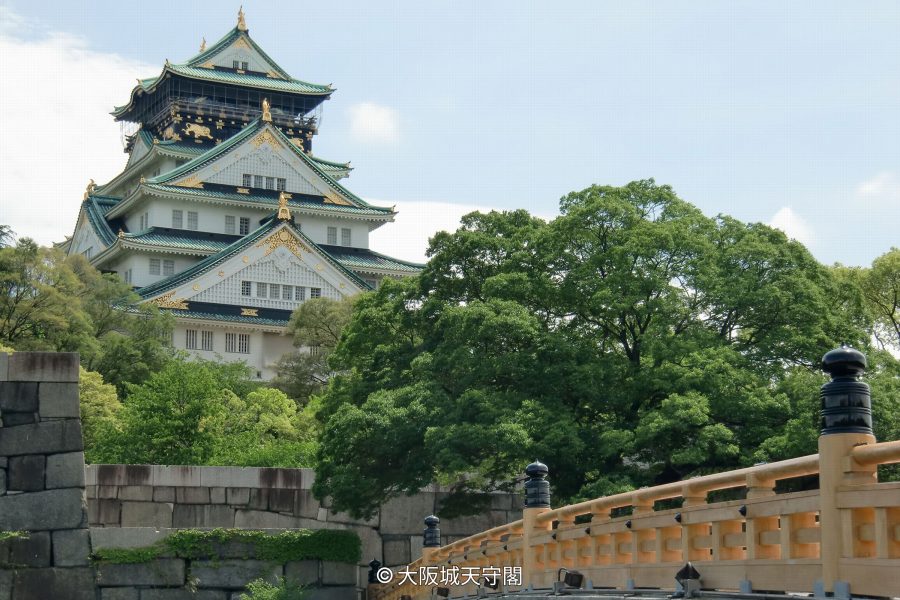
Admire the grand stone walls that remain from Toyotomi’s time and the Edo era
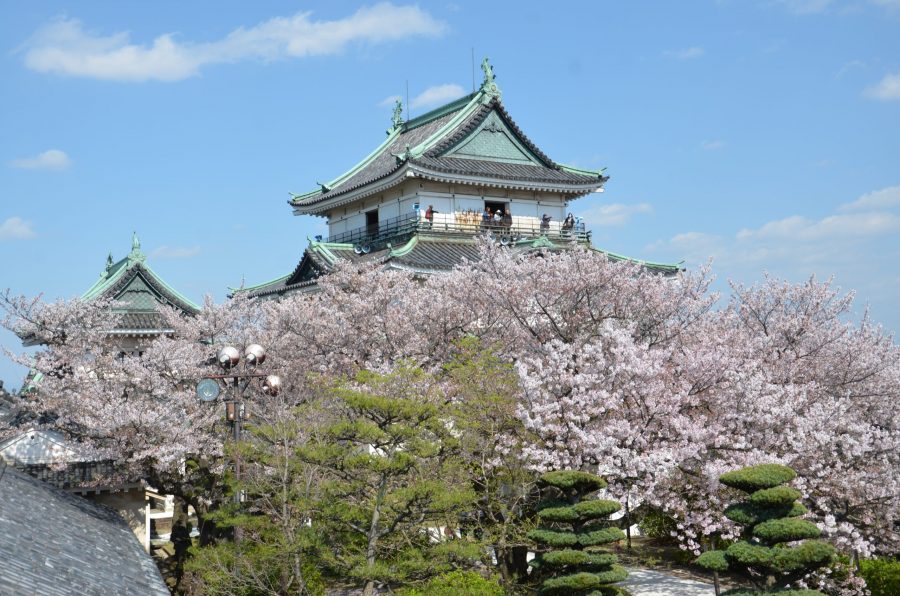
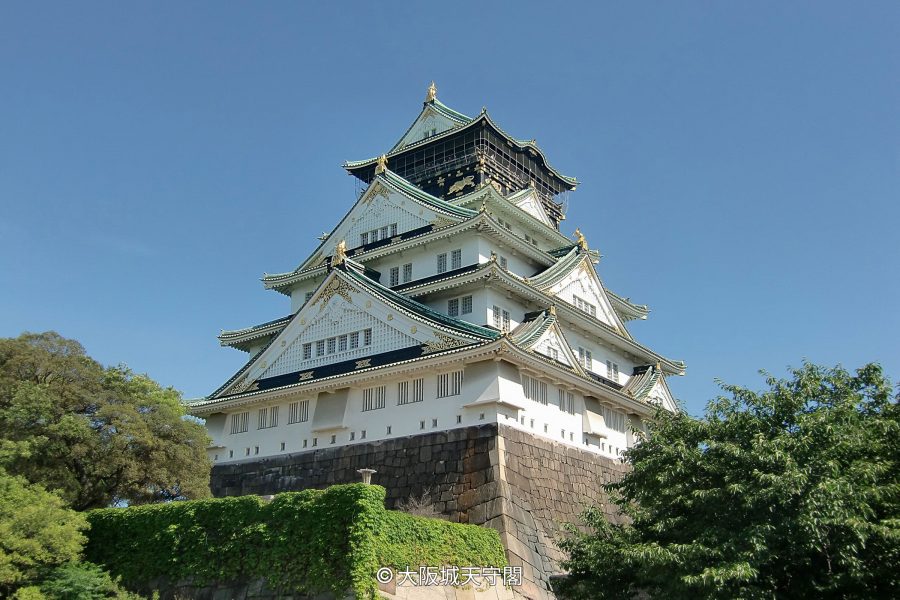
Osaka Castle is located in the heart of Osaka City. The site was originally fortified by the Osaka Honganji Temple, and later taken over by Toyotomi Hideyoshi. Hideyoshi was the man who brought an end to the Sengoku period that lasted over 100 years and achieved national unification. In 1583, during an era of international exchange that began with contact with Portugal, Hideyoshi began construction of this magnificent castle as a symbol of his authority as the ruler of Japan.
However, after Hideyoshi’s death, the power of the Toyotomi clan became the final obstacle to establishing the rule of the Edo Shogunate founded by Tokugawa Ieyasu. Then, in 1615, the final decisive battle, the Osaka Summer Campaign, the Toyotomi clan was destroyed and the castle fell. This victory cemented an era of peace in Japan under Tokugawa rule.
The Edo shogunate later rebuilt the castle in the 1620s. However, that castle too was partially destroyed by fire during the Boshin War of 1868. The current castle tower was reconstructed in 1931 and now functions as a museum.
While the museum inside the main tower focuses primarily on the life of Toyotomi Hideyoshi and the Sengoku period, it also displays materials related to the Edo-period castle. The true highlights of the castle rebuilt by the Edo shogunate, however, are the surviving Edo-period structures found throughout the grounds. A total of 13 structures, including the Ote-mon Gate, the Sengan Yagura Turret, and the Inui Yagura Turret, are designated as National Important Cultural Properties, most of which were built during the Edo era. Particularly impressive are the Sengan Yagura, one of the oldest structures on the grounds, and the magnificent stone walls, which include the gigantic ‘Tako-ishi’ (Octopus Stone), a symbol of Tokugawa power.
Today, the entire castle grounds are designated a national Special Historic Site, with the tower itself being a Registered Cultural Property. Visitors can explore the multi-floor museum and enjoy panoramic views of Osaka from the 8th-floor observation deck.
|
Address |
1-1 Osakajo, Chuo Ward, Osaka City, Osaka |
|---|---|
|
Access from Tokyo |
(1) From Tokyo Station, take the Tokaido Shinkansen Nozomi to Shin-Osaka Station (approx. 2 hr 30 min).
(2) At Shin-Osaka Station, transfer to the Osaka East Line Local to Shigino Station (approx. 13 min). (3) At Shigino Station, transfer to the JR Touzai-Gakkentoshi Line Local to Osakajokitazume Station (approx. 5 min). (4) From Osakajokitazume Station, walk to the Osakajo (approx. 18 minutes). |
|
Website |
|
|
Official SNS Accounts |

|
For the latest information regarding facility operating hours, please check the official website.
Last updated: Jun. 17th, 2026