Omi Merchant Townscape (Shinmachi Street in Omihachiman)
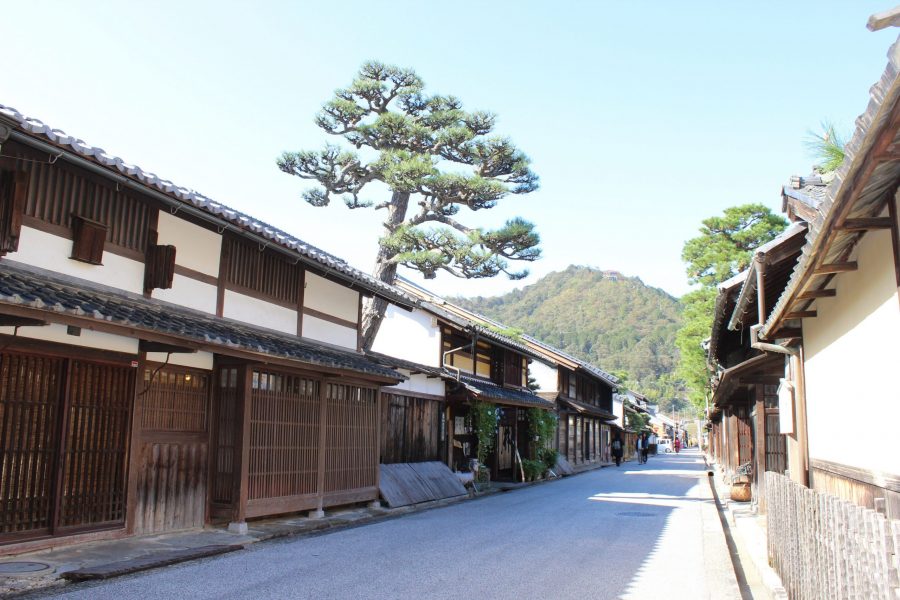
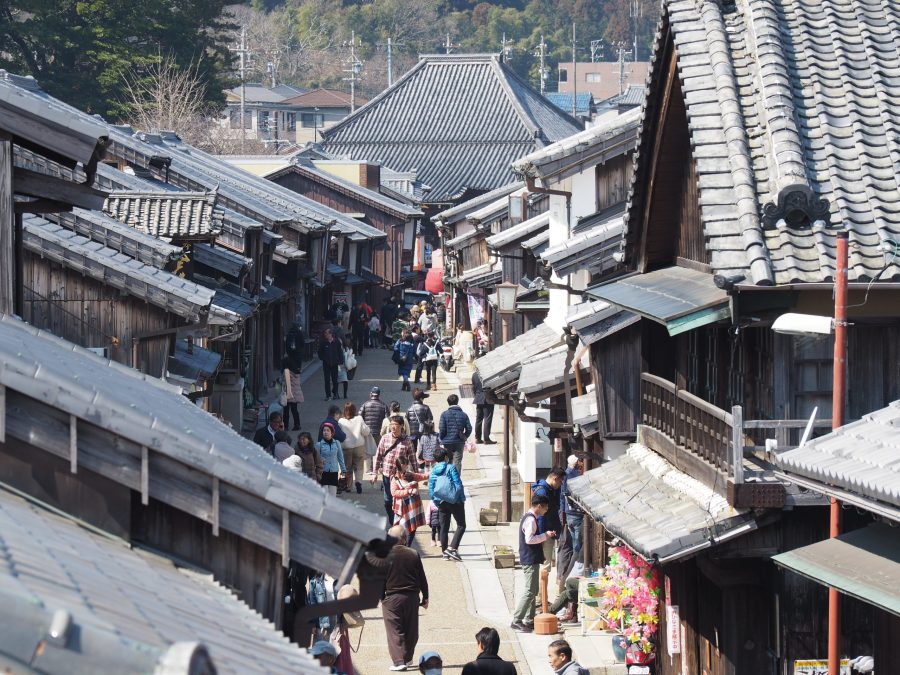
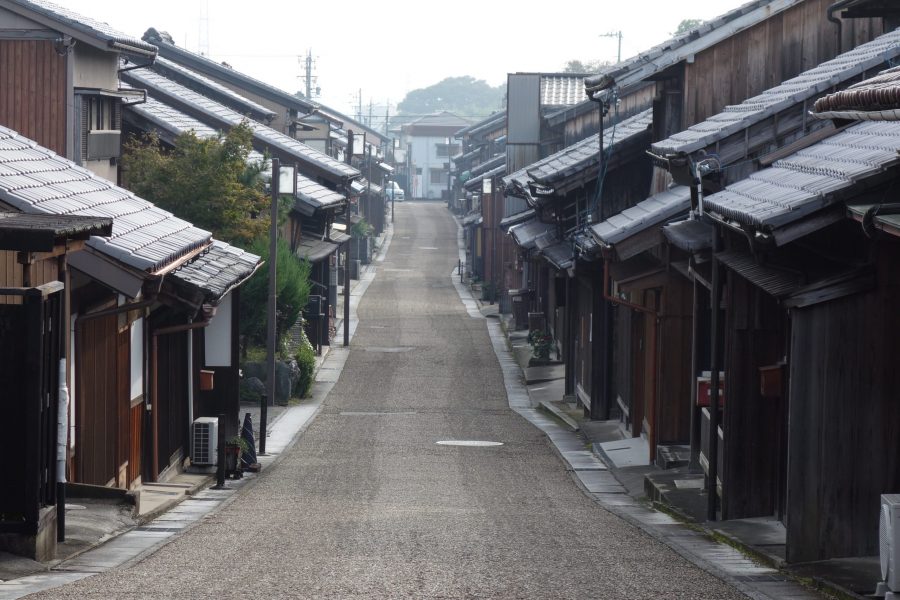


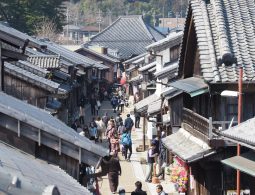
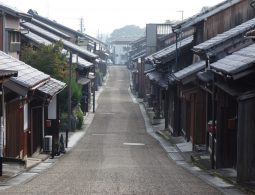
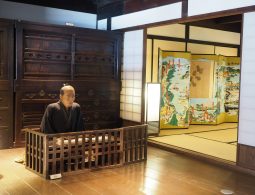
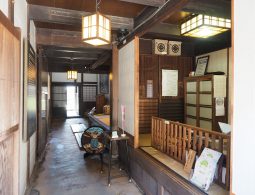
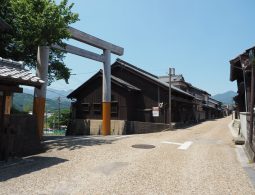
The 47th post town on the Tokaido road, once a bustling stop for Edo era travelers
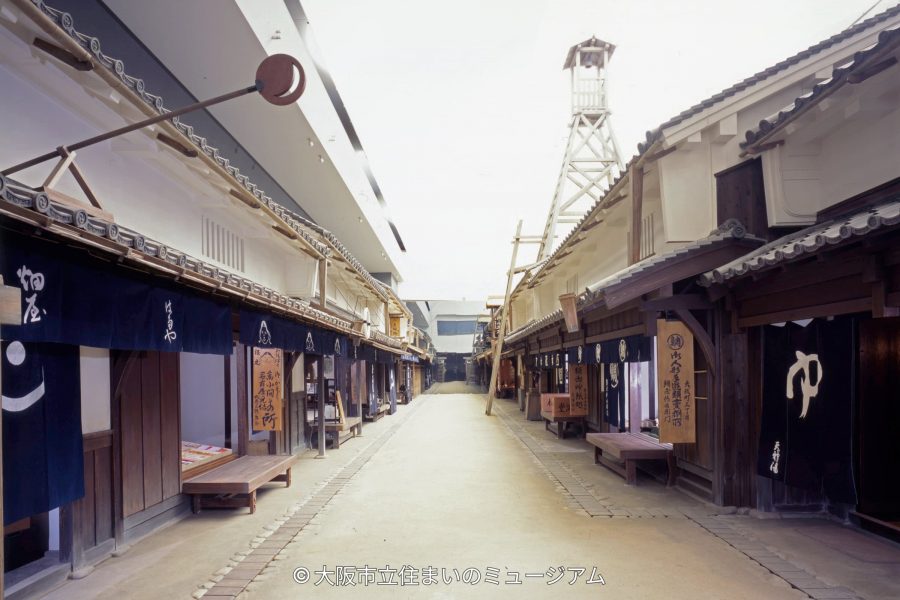
Around 200 Edo to Meiji era townhouses still line the 1.8 km main street
Designated an Important Preservation District for Traditional Buildings
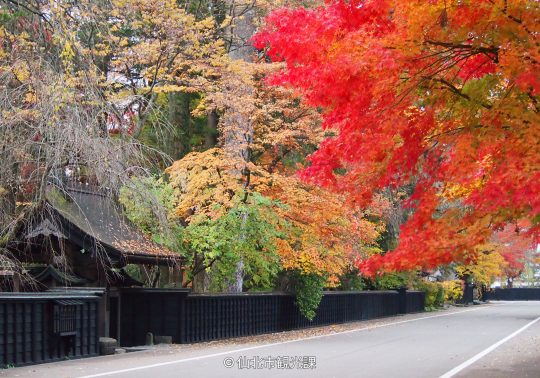
Seki-juku, the 47th station of the historic Tokaido road, is one of the best-preserved post towns in Japan. Stretching for nearly 2 kilometers, its streets are lined with more than 200 traditional wooden townhouses from the late Edo to early Meiji periods, offering visitors a striking glimpse of how Japan’s highways once looked and felt.
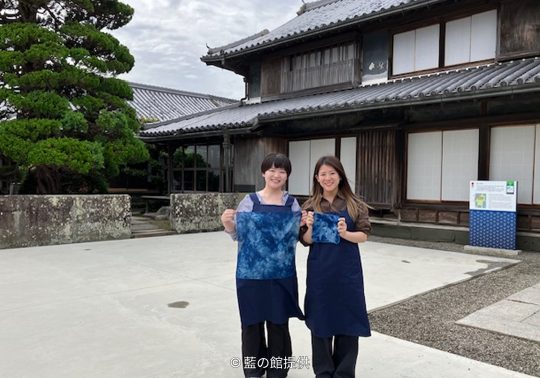
In Edo times, Seki-juku thrived as a crossroads where routes branched off toward Kyoto, Ise, and Nara, bringing samurai, merchants, and other travelers through its gates. Because it was also located between Kyoto and Ise Jingu Shrine, it often saw pilgrims on their way to and from the shrine as well. Today, visitors can walk the same streets, admire the historic architecture, and even try hands-on cultural activities such as indigo dyeing. Local shops also carry on centuries-old traditions, including sweets like Seki no To and Shiratama (both rice cake-based), once carried on these same roads. Still a bustling town today, Seki-juku Post Town is now recognized as an Important Preservation District for Groups of Traditional Buildings.
|
Address |
Area including Kozaki, Nakamachi, Shinjo, and Sekicho in Kameyama City, Mie |
|---|---|
|
Access from Tokyo |
(1) From Tokyo Station, take the Tokaido Shinkansen Nozomi to Nagoya Station (approx. 1 hr 36 min).
(2) At Nagoya Station, transfer to the Kansai Line Rapid to Kameyama Station (approx. 1 hr 2 min). (3) At Kameyama Station, transfer to the Kansai Line local train to Seki Station (approx. 6 min). (4) From Seki Station, walk to Seki-juku (approx. 7 minutes). |
|
Website |
For the latest information regarding facility operating hours, please check the official website.
Last updated: Jun. 17th, 2026